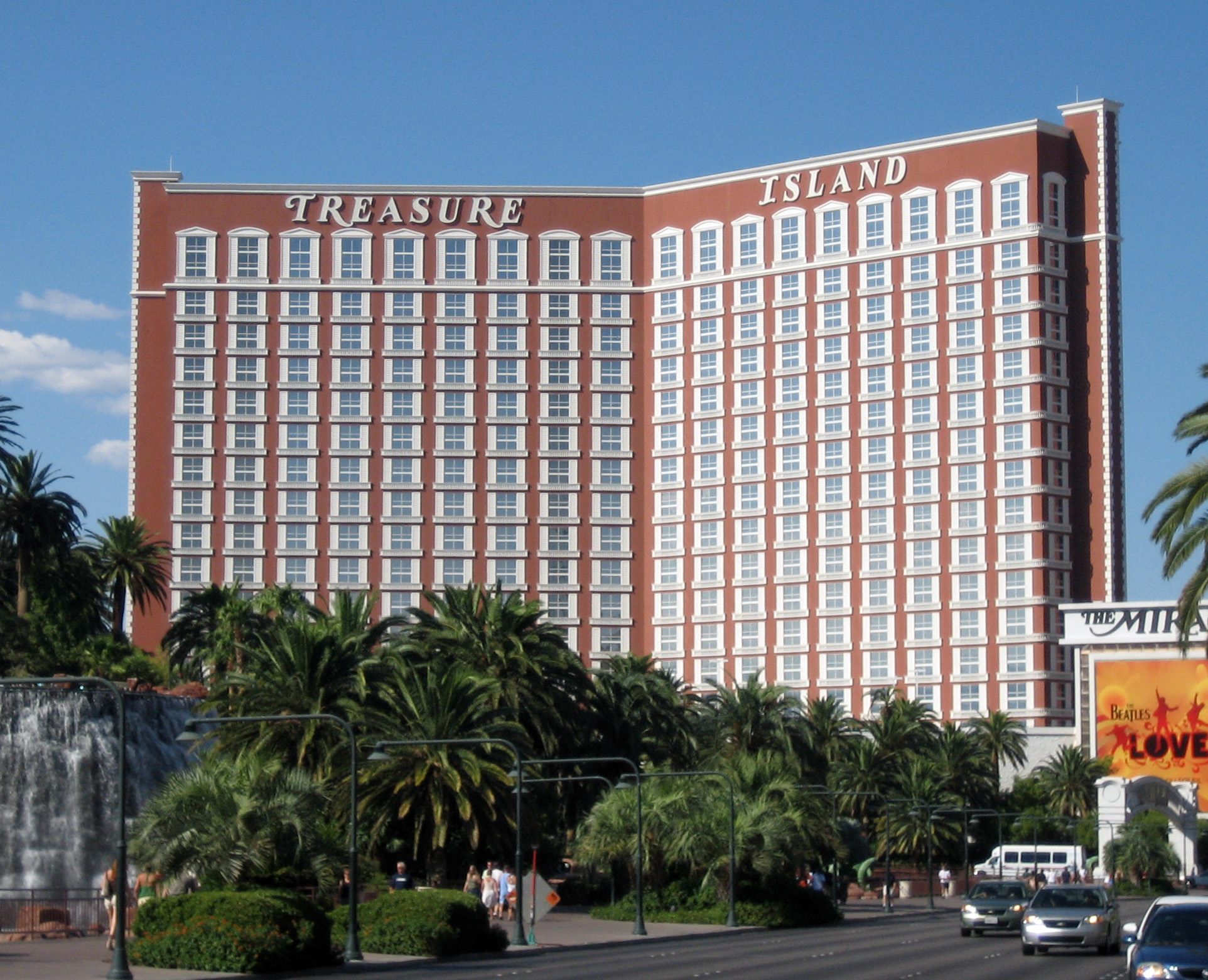
Las Vegas Strip
The Las Vegas Strip is 4.2 miles of concentrated fantasy in the Mojave Desert, a place where you can walk from Paris to Venice to New York to Egypt without leaving Nevada. The neon-lit corridor generates more than $20 billion annually from visitors who come to gamble, attend shows, eat at celebrity-chef restaurants, and lose themselves in an artificial environment engineered to separate them from their money. The mob built modern Las Vegas starting in the 1940s; Howard Hughes bought in and made it corporate in the 1960s; Steve Wynn reinvented it as a family destination (sort of) in the 1980s. Today the Strip is dominated by a handful of mega-corporations operating themed resorts that are cities unto themselves. It's architecture as fantasy, capitalism as entertainment, and the logical conclusion of American excess - and somehow it works, drawing visitors from around the world to lose money in a desert oasis that shouldn't exist.
The History
The Strip emerged outside Las Vegas city limits to avoid regulations. The El Rancho Vegas opened in 1941; the Flamingo, built by mobster Bugsy Siegel, followed in 1946 and established the template: air-conditioned luxury in the desert, with gambling, entertainment, and no clocks. The mob controlled most casinos through the 1960s, skimming profits and laundering money. Howard Hughes arrived in 1966 and began buying properties, lending corporate legitimacy. The 1970s and 1980s brought corporate ownership and public scrutiny. Steve Wynn's Mirage (1989) launched the megaresort era. The mob is gone; publicly traded corporations now control most properties.
The Architecture
The Strip is a museum of pastiche architecture. The Venetian replicates St. Mark's Square and the Doge's Palace. Paris Las Vegas features a half-scale Eiffel Tower. New York-New York crams the Empire State Building, Statue of Liberty, and Brooklyn Bridge onto one property. The Luxor is a glass pyramid with a sphinx. Caesars Palace imagines ancient Rome. Each property creates an immersive themed environment; moving between them means traveling through different imaginary places. The buildings are designed to entice you inside, where no natural light and no clocks encourage timeless gambling.
The Economics
The Las Vegas Strip generated over $20 billion in revenue in recent years - more than the GDP of many countries. Gambling remains profitable, but non-gaming revenue (hotels, restaurants, entertainment, conventions) now exceeds gaming revenue. The average visitor loses about $500 gambling and spends another $1,500 on everything else. The economics are engineered: free drinks for gamblers, maze-like casino floors, luxury shopping adjacent to casinos, and rooms priced to encourage spending elsewhere. Employment is massive; the resorts are among Nevada's largest employers.
The Culture
Las Vegas has evolved from sin city to family destination to adult playground. The 1990s push toward family-friendliness failed; today Vegas markets itself to adults seeking indulgence. 'What happens in Vegas stays in Vegas' became an unofficial motto. The city hosts world-class entertainment: residencies by major artists, Cirque du Soleil productions, magic shows, and adult entertainment. Conventions and trade shows use the massive facilities. The culture is deliberately over-the-top - scale and spectacle are the point. The Strip is experience as commodity, fantasy as product.
Visiting Las Vegas
The Las Vegas Strip is a 4.2-mile stretch of Las Vegas Boulevard South, technically in Paradise and Winchester, Nevada, not Las Vegas itself. Walking the entire Strip is possible but exhausting; the Deuce bus runs the length, and monorails connect some properties. Major resorts include Bellagio (fountains), Venetian (canals), Wynn/Encore (luxury), Caesars Palace (Roman theme), MGM Grand (largest hotel), and Aria (modern design). The Fremont Street Experience in downtown Las Vegas offers older, more traditional casinos. McCarran International Airport (now Harry Reid, LAS) is minutes away. Summer is brutally hot; spring and fall are optimal. Room rates vary wildly by day; midweek is cheapest.
From the Air
Located at 36.11°N, 115.17°W in the Mojave Desert, Nevada. From altitude, the Strip is unmistakable - a dense corridor of massive hotel-casinos running roughly north-south, surrounded by suburban sprawl that fades into empty desert. The themed properties are visible: the Luxor pyramid, the Stratosphere tower, the various architectural fantasies. Harry Reid International Airport is immediately adjacent. Lake Mead and Hoover Dam are visible 30 miles to the southeast. The city that shouldn't exist - sustained by water from the dwindling Colorado River - sprawls against the mountains.