The Las Vegas Strip: The Boulevard Built by Gangsters
The Las Vegas Strip isn't in Las Vegas. The four-mile stretch of Las Vegas Boulevard South lies in the unincorporated townships of Paradise and Winchester, outside city limits - a jurisdictional quirk from the 1950s when the county offered looser regulation than the city. The Strip exists because of another quirk: Nevada legalized gambling in 1931 when the rest of America wouldn't. Mob money built the early casinos; Howard Hughes bought enough of them in the 1960s to make the industry respectable. The Strip evolved from gangster playground to family destination to whatever it is now - a desert fantasy where reality is optional and everything is designed to separate visitors from their money. It works.
The Founding
Before the Strip, Las Vegas was a railroad town sustained by Hoover Dam construction workers. The El Rancho Vegas opened on Highway 91 in 1941, followed by the Last Frontier in 1942. But the Strip's defining establishment was the Flamingo, opened in 1946 by mobster Bugsy Siegel with investment from organized crime figures nationwide. Siegel was murdered six months after opening - cost overruns had annoyed his backers - but the model was established: luxurious casinos funded by money that couldn't operate openly elsewhere. The mob built Las Vegas because legitimate capital wouldn't.
The Evolution
The 1950s and 60s saw the Strip's golden age: the Sands, the Sahara, the Tropicana, the Stardust. Frank Sinatra and the Rat Pack performed residencies. Elvis married here. The casinos offered entertainment, dining, and gambling in packages that drew visitors from across America. Then Howard Hughes arrived in 1966, buying the Desert Inn (which tried to evict him), then six more casinos. Hughes's involvement brought corporate legitimacy; gaming commissions cracked down on mob influence. By the 1970s, publicly traded companies were replacing organized crime as casino owners.
The Theming
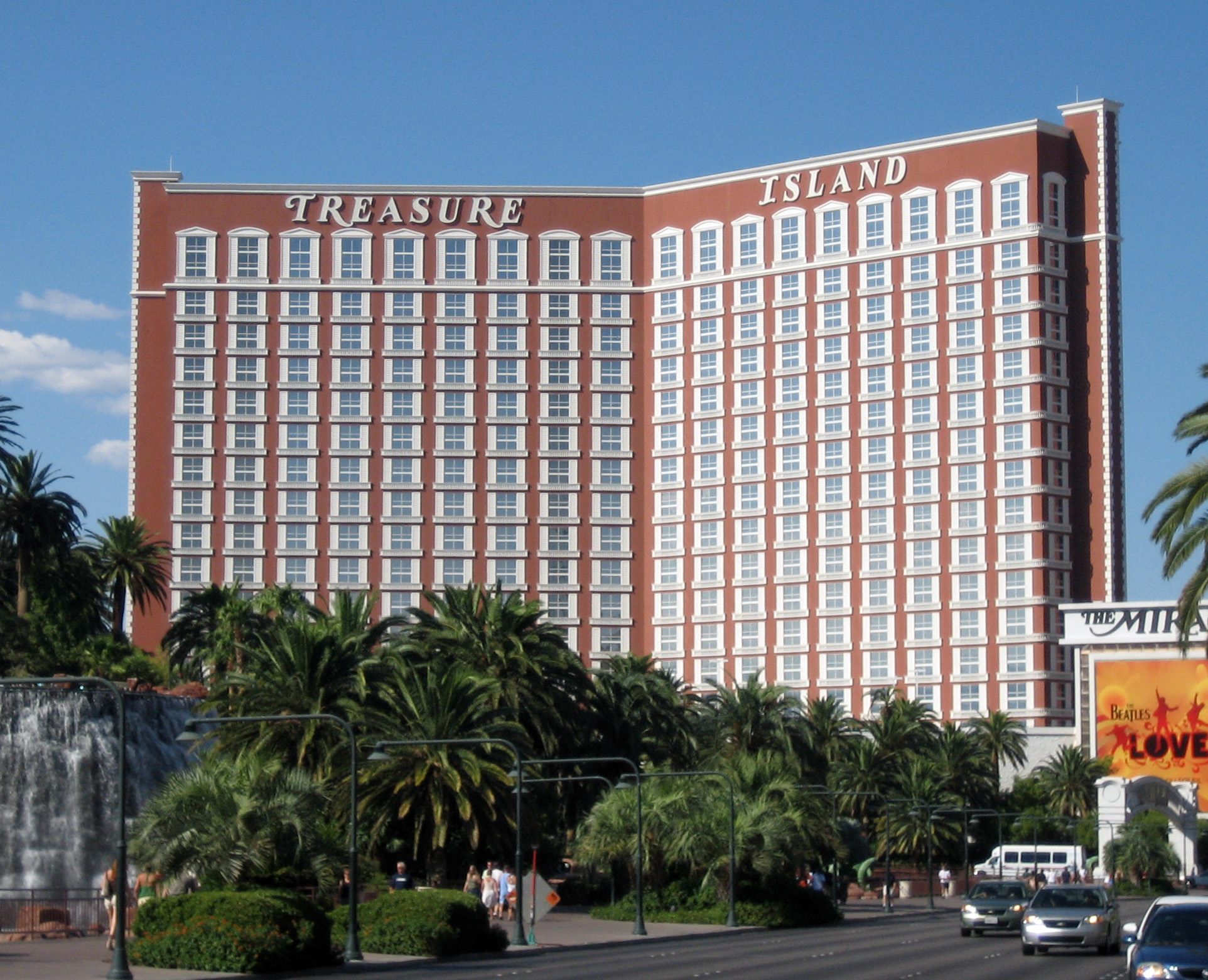
The modern Strip is a series of themed environments. The Mirage (1989) pioneered the mega-resort concept: a complete vacation experience within one property. Excalibur created medieval fantasy. Luxor built a pyramid. New York-New York recreated Manhattan landmarks. The Venetian reproduced Venice with functioning gondolas. Paris erected an Eiffel Tower. The theming is simultaneously ridiculous and effective - simulations of places most visitors will never see, experiences manufactured from nothing but imagination and investment. The Strip is a theme park without rides, where the theme is money and the ride is losing it.
The Experience
The Strip exists to extract money through experiences calibrated for maximum extraction. Casinos have no windows or clocks; the carpets are ugly to keep eyes on the gambling floor; free drinks flow to gamblers; exits are hard to find. But the extraction isn't only gambling - restaurants, shows, clubs, shopping, and simply walking the Strip all cost money. The genius of Las Vegas is making the spending feel like winning, making the loss feel like purchase. Visitors know they're being manipulated and don't care. The manipulation is part of the experience.
Visiting the Las Vegas Strip
The Strip runs roughly 4 miles along Las Vegas Boulevard South, from the Stratosphere to Mandalay Bay. Walking the entire Strip takes 2-3 hours; the tram connects some properties. Resorts range from budget to ultra-luxury; room rates vary wildly by season and convention schedule. Shows, restaurants, and clubs require reservations for popular dates. The gambling is optional; the sensory overload is not. McCarran International Airport is adjacent to the Strip; taxis and rideshares are readily available. Summer temperatures exceed 110°F - the Strip is air-conditioned but outdoor walking is brutal. Visit for the spectacle, budget for the extraction, and remember: the house always wins.
From the Air
Located at 36.11°N, 115.17°W in the Nevada desert. From altitude, the Las Vegas Strip is unmistakable - a concentrated line of massive resort complexes visible at night as the brightest spot in the Western United States. The themed architecture is visible from altitude: the Luxor pyramid, the Eiffel Tower replica, the distinctive shapes of mega-resorts. The surrounding desert emphasizes the Strip's improbability - a fantasy city in arid emptiness. The airport lies adjacent; arriving flights provide spectacular views of the Strip. Lake Mead and Hoover Dam are visible to the southeast. Las Vegas exists because of air conditioning, organized crime, and the eternal human desire to gamble. All three are invisible from altitude.