Las Vegas Strip: The City That Never Stops Reinventing Itself
Las Vegas is amnesia made concrete. The city constantly destroys itself to become something newer and shinier. The Dunes became the Bellagio. The Sands became the Venetian. Buildings that cost billions are imploded to make room for buildings that will cost more. The Strip - officially Las Vegas Boulevard South, a 4.2-mile corridor that isn't technically in Las Vegas at all but in unincorporated Paradise - concentrates more hotel rooms than any place on Earth. The spectacle is the point: themed resorts replicating Paris, Venice, Egypt, New York, all compressed into walking distance, all selling the fantasy that money can buy anything. Vegas delivers on the promise, for the right price.
The Beginning
Nevada legalized gambling in 1931 and divorce in six weeks, both attracting visitors. The El Rancho Vegas opened on the Los Angeles highway in 1941, the first resort on what would become the Strip. Bugsy Siegel's Flamingo followed in 1946, importing Hollywood glamour to the desert. Siegel was murdered six months after opening; the Flamingo survived and thrived. Through the 1950s and 60s, more resorts followed: the Sahara, the Sands, the Stardust, the Caesars Palace. Mob money built many; Howard Hughes's buying spree in the late 1960s began the corporate transition. The Vegas that movies celebrate - Rat Pack cool, mob intrigue - was already dying by the time it became iconic.
The Transformation
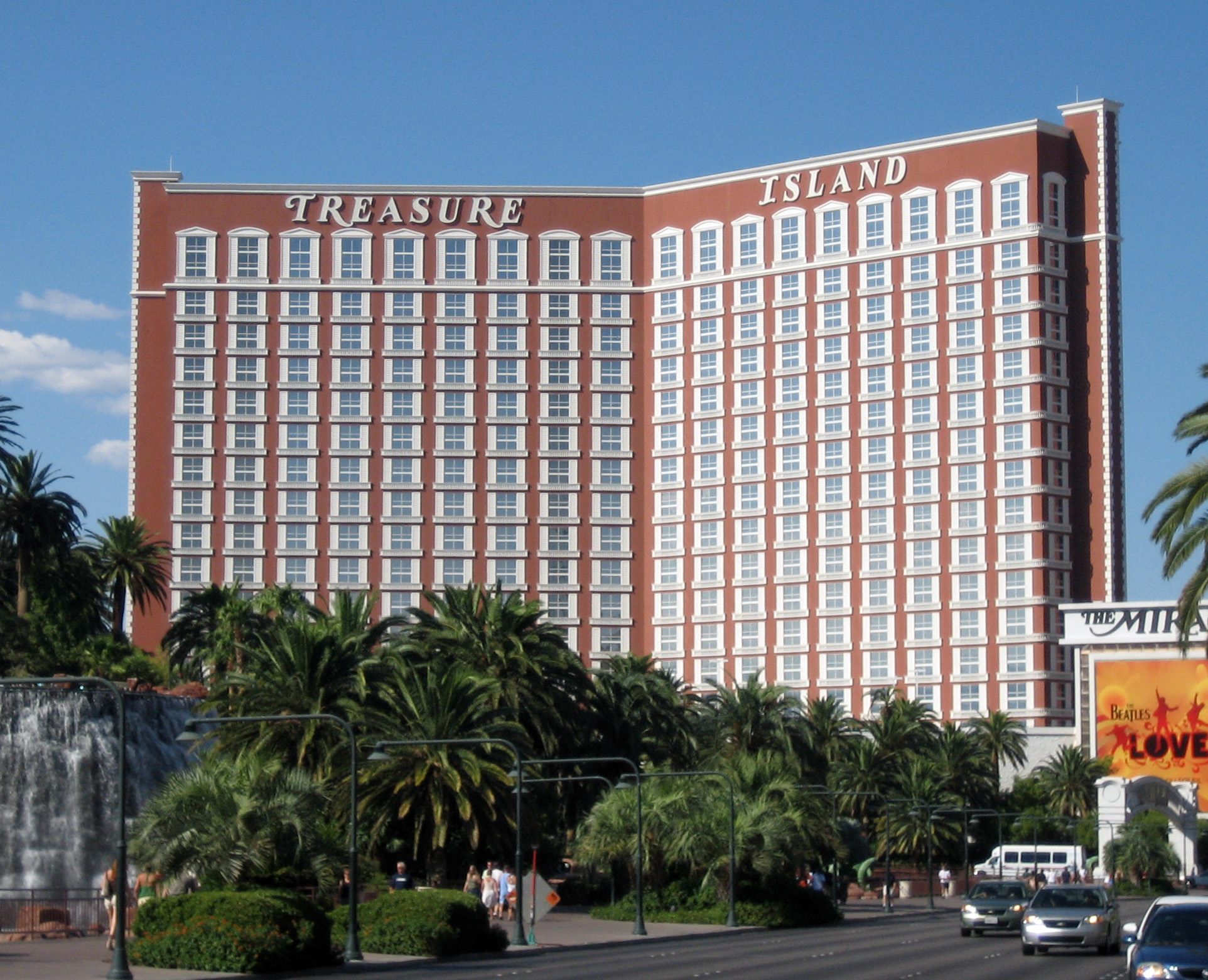
Steve Wynn changed Vegas. The Mirage, opening in 1989, introduced the megaresort concept: 3,000+ rooms, elaborate theming, attractions beyond gambling. A volcano erupted nightly on Las Vegas Boulevard. The success triggered a construction boom: Excalibur, Luxor, MGM Grand, Treasure Island. Each tried to outspectacular the others. The Bellagio (1998) raised the stakes with art collections and dancing fountains. The Venetian added canals and gondoliers. Paris added an Eiffel Tower. The themed resorts turned the Strip into an architectural theme park, where walking a mile could take you from ancient Rome to medieval England to the New York skyline.
The Economy
Las Vegas runs on aspiration and appetite. Gambling remains foundational, but resort revenue now depends more on rooms, restaurants, entertainment, and nightclubs than on casino floors. The conventions bring millions annually; the clubs and residencies bring millions more. The economy creates extremes: ultra-luxury suites and bargain buffets, celebrity chef restaurants and $2 blackjack tables. The service workers - dealers, housekeepers, cocktail servers - work for tips in a city where generosity and stinginess play out in real time. The Culinary Union, representing hospitality workers, is among Nevada's most powerful political forces. The fantasy rests on labor.
The Future
The Strip continues evolving. The Sphere, opened in 2023, wraps concerts in LED displays visible from aircraft. Raiders Stadium brought NFL football. Sports betting, newly legal nationally, flows through Vegas. The formula keeps shifting: themed resorts gave way to architectural ambition; family-friendly faded as adult playground returned. Climate change threatens the water supply; Lake Mead, Hoover Dam's reservoir, drops toward dead pool levels. The city built on denial of nature may face nature's limits. But Vegas has survived mob violence, nuclear testing, and financial crashes. The neon keeps burning; the construction never stops. What's there today won't be there in twenty years. That's the point.
Visiting Las Vegas
Las Vegas is located in southern Nevada, easily accessible by air (McCarran International) or car from Los Angeles (270 miles). The Strip runs from Mandalay Bay north to the STRAT; walking its length takes several hours. The Deuce bus provides Strip transportation. Major resorts connect via free trams. Resort fees add to quoted room rates; compare total costs. Buffets have largely given way to celebrity restaurants; reservations are essential for popular spots. Shows range from Cirque du Soleil productions to residencies by aging legends. The heat (summer highs exceed 110°F) makes outdoor activity punishing May-September. The experience is designed for excess; set limits before arriving or the city will set them for you.
From the Air
Located at 36.11°N, 115.17°W in the Mojave Desert of southern Nevada. From altitude, the Las Vegas Strip is unmistakable - a concentrated corridor of massive resort structures in an otherwise sparse desert valley. The themed architecture is visible: the Luxor pyramid, the Paris Eiffel Tower, the Venetian's campanile. Lake Las Vegas and Henderson spread to the southeast; the mountains surrounding the valley frame the development. McCarran International's runways are immediately south of the Strip. At night, the illumination is visible from space - a concentrated burst of light in the desert darkness. What appears from altitude as improbable density in empty desert is the entertainment capital of the world, constantly rebuilding itself.