Lima Art Museum
The iron bones of the building came from Paris. In 1870, Gustave Eiffel's atelier -- the same workshop that would later produce the tower bearing his name -- designed a cast-iron structural system for a grand exhibition hall on the edge of Lima's historic center. Italian architect Antonio Leonardi wrapped it in an Italianate stone facade, and by 1872 the Palacio de la Exposicion stood ready to host Peru's contribution to the era of world's fairs. The building outlasted the fairs. In 1961, it became the Museo de Arte de Lima -- known universally as MALI -- and began assembling a collection that now surveys nearly three thousand years of Peruvian artistic production, from pre-Columbian ceramics to contemporary video art.
Where the City Wall Once Stood
MALI sits at the entrance to Lima's historic center, in a park built on historically layered ground. The Exposition Park occupies the former site of the Guadalupe Gate, one of ten gates that punctuated Lima's colonial city wall. President Jose Balta ordered the walls torn down in 1868 as part of a modernization campaign, and the park rose in their place. Leonardi designed both the palace and its surrounding grounds in collaboration with journalist Manuel Atanasio Fuentes. Over the decades, additional structures appeared in the park: Moorish and Byzantine pavilions, added in 1921 to celebrate Peru's centennial of independence, gave the grounds an eclectic architectural character that persists today. The palace itself, with Eiffel's iron frame hidden behind Leonardi's classical facade, embodies the same tension between European engineering ambition and Latin American cultural identity that defines much of Lima's architecture.
Three Millennia on Two Floors
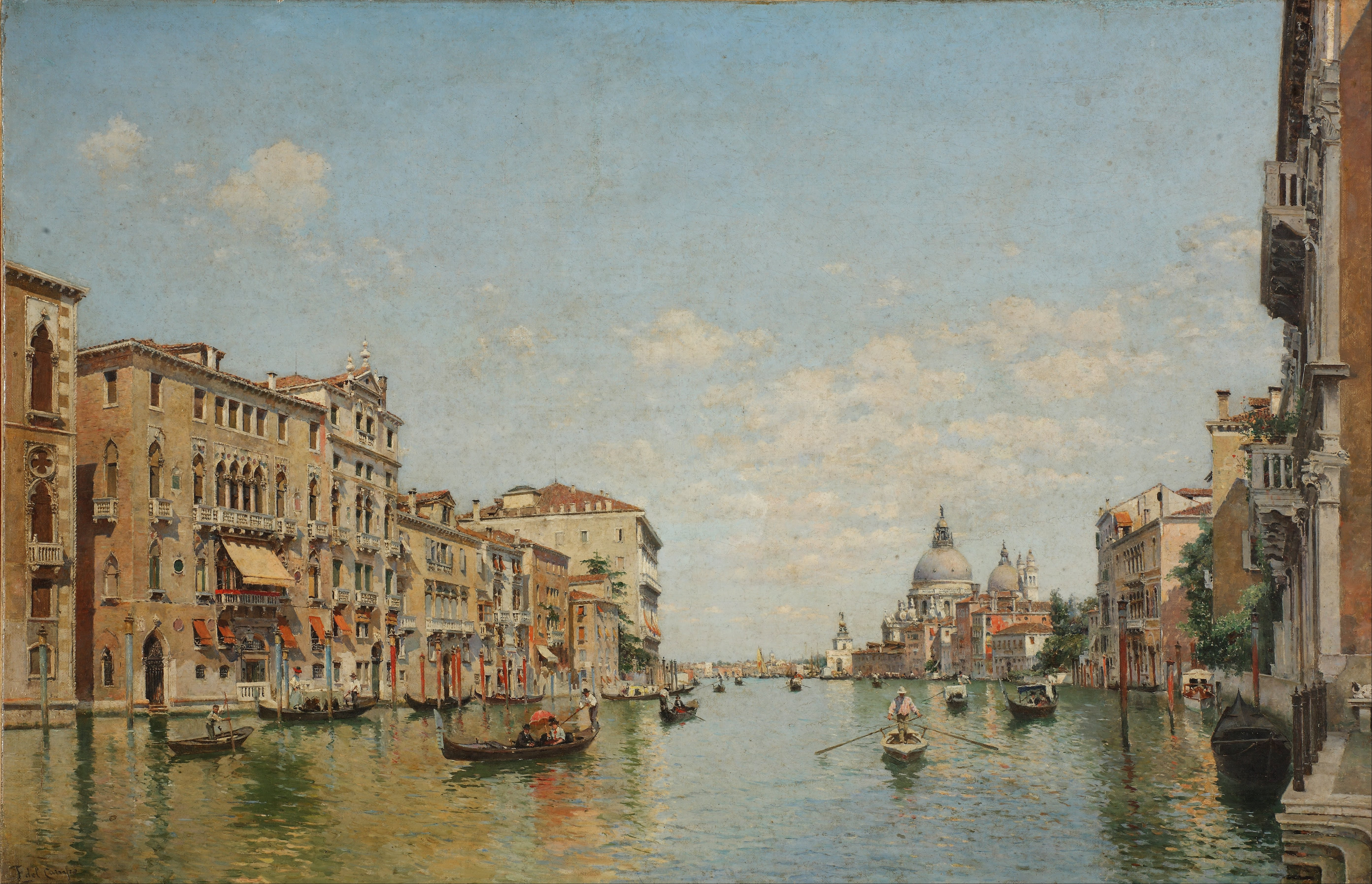
The permanent collection moves through Peruvian history at a pace few museums can match. It begins with pre-Columbian textiles and ceramics -- the woven and fired objects that constitute the oldest continuous artistic tradition in the Americas -- and follows the thread through colonial religious painting, republican-era portraiture, and into the experimental work of the twentieth century. Teofilo Castillo's luminous paintings of Lima life and Federico del Campo's Venetian canal scenes share the galleries with artifacts from cultures that predated the Spanish conquest by millennia. In 2015, MALI reopened its renovated second-floor galleries, displaying some of the collection's most significant works. But the museum's contemporary holdings -- more than a thousand works -- remain largely in storage, awaiting the construction of a new wing that has been discussed for years but not yet realized.
A Living Archive
MALI is not merely a display case. The museum houses the Manuel Solari Swayne Library, Peru's principal art library, and the Peruvian Art Archive, together forming the most extensive art documentation center in the region. The museum's digital platform, ARCHI, makes Peruvian art, material culture, and architectural documentation freely accessible online, with educational resources designed for classroom use. MALI's exhibition program has been consistently ambitious, hosting shows by international figures like Gerhard Richter, Wolfgang Tillmans, and Gordon Matta-Clark alongside Peruvian artists such as Martin Chambi, the pioneering Cusco photographer whose portraits of indigenous Andean life challenged the visual conventions of his era. Fernando Bryce and Jorge Eduardo Eielson have also shown here, anchoring MALI's role as a place where Peruvian art engages with the global conversation on equal terms.
From the Air
MALI is located at 12.06S, 77.04W in Lima's Exposition Park, at the western edge of the historic center. The park's green space and the palace's distinctive roofline are visible from low altitude. Jorge Chavez International Airport (SPJC) is approximately 9 nm to the northwest. From the air, the museum sits between Lima's dense urban grid and the open space of the park, near the intersection of major avenues including Paseo Colon.