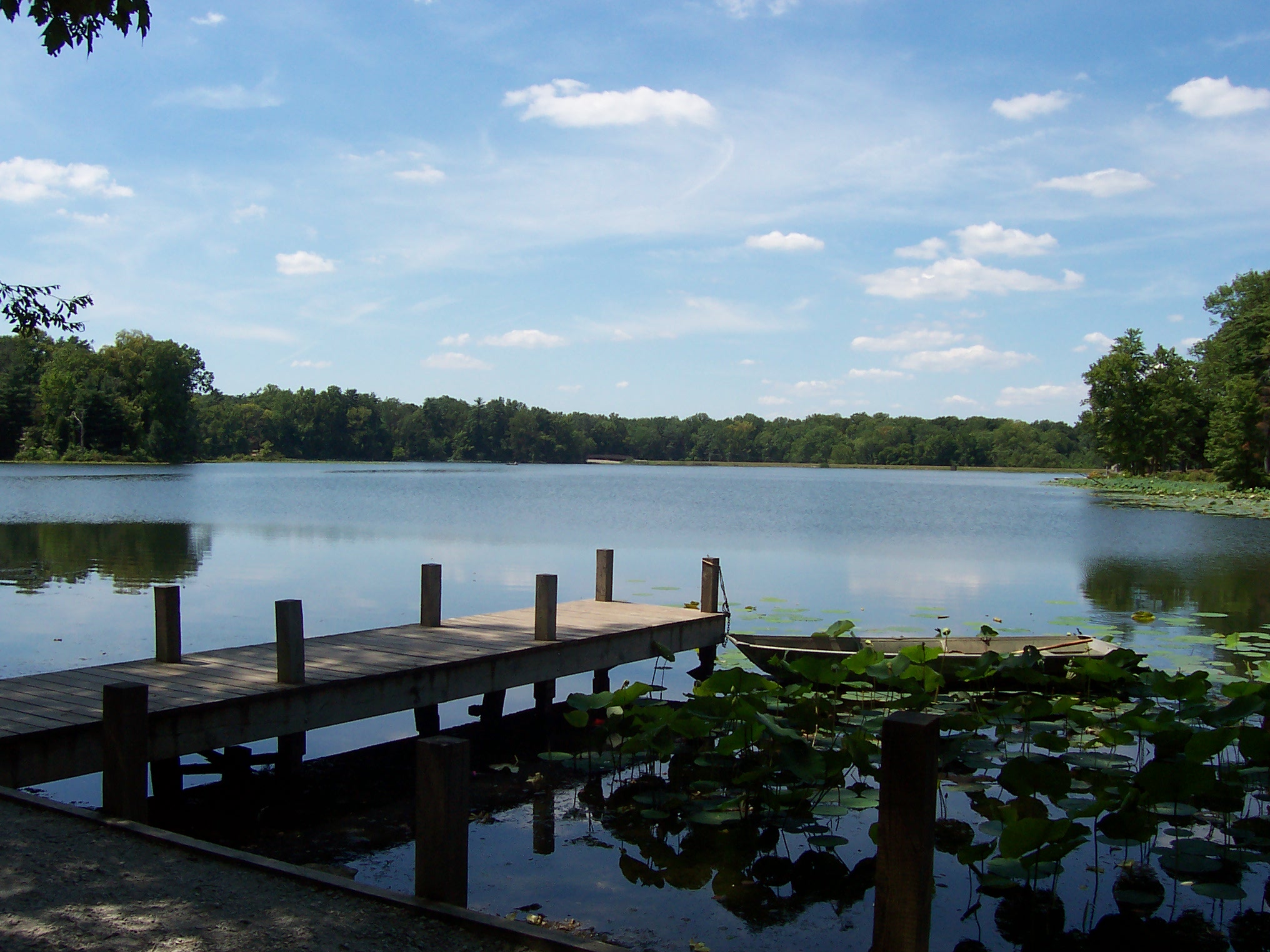
Lincoln Boyhood National Memorial
In the forested hills of southern Indiana, young Abraham Lincoln learned to be himself. Lincoln Boyhood National Memorial marks the farm where Lincoln lived from age 7 to 21 (1816-1830) - the formative years that shaped the man who would become America's most revered president. Here Lincoln learned to read, split rails, farm rocky soil, and think. Here his mother Nancy Hanks Lincoln died when he was 9, leaving a grief that marked him for life. Here his stepmother Sarah Bush Johnston encouraged his reading. The farm Lincoln knew is gone, but the land remains - 200 acres of Indiana hills where a poor frontier boy became someone capable of saving a nation.
The Arrival
Thomas Lincoln moved his family from Kentucky to Indiana in 1816, when Abraham was 7. Indiana was free territory - the Lincolns left a slave state for one where slavery was prohibited. They arrived in winter, built a 'half-faced camp' (a shelter open on one side), and spent months clearing land and building a cabin. The farm was isolated; neighbors were few; the forest dense. Young Abraham helped clear trees, plant crops, and perform the endless labor of frontier farming. He grew strong physically - the rail-splitting legend has basis in fact. He also grew curious, reading borrowed books by firelight, asking questions that annoyed his father.
The Loss
In 1818, when Abraham was 9, Nancy Hanks Lincoln died of 'milk sickness' - a disease caused by drinking milk from cows that had eaten white snakeroot. The illness was common on the frontier and terrifying; whole communities died. Nancy's death devastated young Abraham. His father struggled to maintain the household. A year later, Thomas returned to Kentucky and married Sarah Bush Johnston, a widow with three children. Sarah became Abraham's beloved stepmother, encouraging his reading and treating him with kindness his biological father rarely showed. Her arrival stabilized the household and nurtured Abraham's intellectual development.
The Education
Lincoln's formal education totaled perhaps 18 months in 'blab schools' - frontier schoolhouses where students learned by reciting aloud. But his real education came from reading. He walked miles to borrow books - the Bible, Aesop's Fables, Robinson Crusoe, the lives of Washington and Franklin. He read by firelight after farm work was done. He practiced writing and arithmetic on wooden shovels, scraping them clean to reuse. He attended court proceedings when possible, fascinated by oratory and argument. By 21, when he left Indiana for Illinois, Lincoln had educated himself far beyond his circumstances - a self-made intellectual from the backwoods.
The Memorial
Lincoln Boyhood National Memorial preserves 200 acres of the Lincoln farm site. The original cabin is gone; a living history farm demonstrates 1820s pioneer life with log buildings, gardens, and livestock. Nancy Hanks Lincoln's grave is marked by a tombstone in a quiet grove. A memorial building contains sculptures depicting Lincoln's life from birth to presidency. Trail of Twelve Stones uses rocks from significant Lincoln sites. The landscape is hilly southern Indiana - not dramatically different from Lincoln's time. The memorial helps visitors understand Lincoln's origins: not the log cabin myth of natural genius, but the reality of hard work, loss, and relentless self-improvement.
Visiting Lincoln Boyhood National Memorial
Lincoln Boyhood National Memorial is located 4 miles south of Dale, Indiana, on Highway 162. The memorial is open daily except Thanksgiving and Christmas; entrance fee charged (National Parks pass accepted). The Lincoln Living Historical Farm operates seasonally with costumed interpreters demonstrating pioneer life. The memorial building and Nancy Hanks Lincoln's grave are accessible year-round. Allow 2-3 hours for thorough exploration. Lincoln State Park, adjacent, offers camping, swimming, and additional Lincoln history. Evansville is 35 miles southwest; Louisville is 90 miles east. Indianapolis International Airport is 100 miles north. The memorial is relatively uncrowded; Lincoln sites in Illinois and Washington draw larger crowds, leaving his boyhood home peaceful.
From the Air
Located at 38.12°N, 86.99°W in southern Indiana. From altitude, the Lincoln Boyhood National Memorial appears as a forested area in the hilly terrain of southern Indiana. The memorial and adjacent state park are visible as protected green space amid agricultural land. The Ohio River is 25 miles south. Evansville is 35 miles southwest. The terrain is rolling forested hills - the landscape Lincoln knew, where he grew from a child into the person who would lead a nation through its worst crisis. Louisville and the Kentucky Lincoln sites are visible to the southeast.