Linden Lab
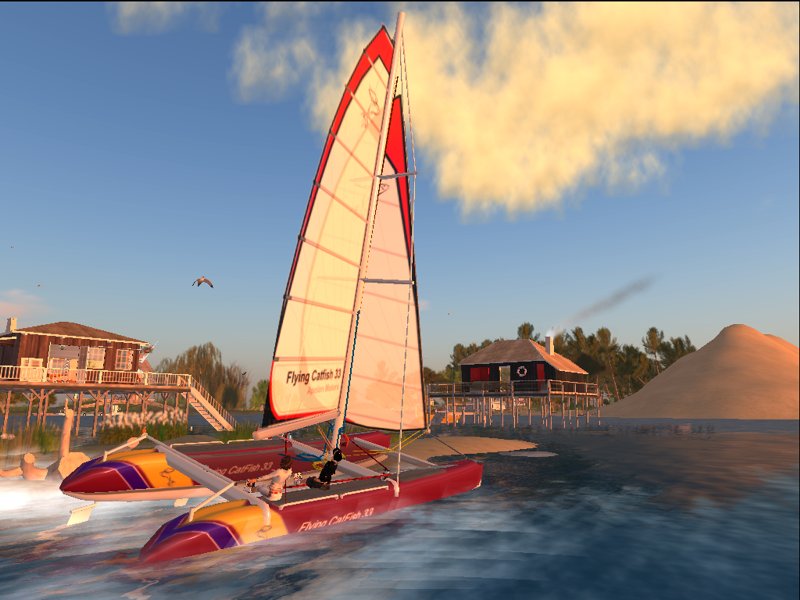
Before the metaverse became a corporate buzzword, Linden Lab built one. Second Life, launched in 2003 from offices near San Francisco's waterfront, created a persistent virtual world where users could build, trade, socialize, and create economies that generated real-world commerce measured in hundreds of millions of dollars.
Building a World
Linden Lab was founded by Philip Rosedale with the vision of creating a user-generated virtual world. Unlike video games with predetermined experiences, Second Life gave users tools to build environments, create avatars, and design experiences. The platform allowed real economic activity: users bought and sold virtual land, designed and traded virtual goods, and some earned real-world incomes. The Linden Dollar became one of the first virtual currencies with real exchange value.
The Early Metaverse
Second Life preceded Facebook, Twitter, and the smartphone era, making it both visionary and ultimately overtaken. In its peak years around 2006-2008, corporations opened virtual offices, universities held classes, and news organizations covered events happening exclusively in the virtual world. When social media platforms offered easier ways to connect online, Second Life's user base plateaued -- though it never disappeared.
Still Running
Linden Lab continues to operate from San Francisco. The virtual world that Rosedale envisioned in the early 2000s has proven more durable than many platforms that followed it -- a persistent experiment in digital community that continues to attract users who value the depth of experience it offers over the convenience of simpler social platforms.
From the Air
Located at 37.800267N, 122.40157W in the San Francisco Bay Area. Nearby airports: KSFO (San Francisco International), KOAK (Oakland International).