Lobito
The Restinga gives Lobito away. From the air, this narrow sand spit curls into the Atlantic like a protective arm, enclosing one of Africa's longest natural harbours and shielding the city's waterfront from the open ocean. It is the kind of geological accident that builds empires -- and for more than a century, it has made Lobito the funnel through which Angola's interior wealth reaches the sea.
A Harbour That Shaped a Nation
Lobito sits on the coast of Benguela Province, a city of roughly 436,000 people wedged between the Atlantic and the dry hills of western Angola. Its deep-water port anchors one end of the Benguela Railway, a corridor that once carried copper and minerals from the mines of Katanga in the Congo all the way to these docks for export. The railway terminals still define the city's geography and economy, connecting Lobito eastward along the Trans-African Highway 9 toward Balombo and the continental interior. The EN-100 trunk road ties it northward to Luanda and south to the historic city of Benguela, just 33 kilometres away. Everything about Lobito's layout says transit point -- a place where goods and people have always been in motion.
Scars and Restoration
Angola's civil war, which ground on from 1975 to 2002, left deep marks on Lobito. The original lighthouse -- once a navigation beacon for ships threading the harbour entrance -- was destroyed in the fighting. Its replacement, a clean white tower visible from well offshore, stands as a quiet symbol of the reconstruction effort that has reshaped the city. The Cine-Flamingo, the old Post Office Building, and the Lobito Ethnography Museum survive as architectural reminders of the colonial era. Near the waterfront sits the Zaire Boat, preserved as a historical monument, a relic from a time when coastal trade was the heartbeat of the Angolan economy.
Life on the Restinga
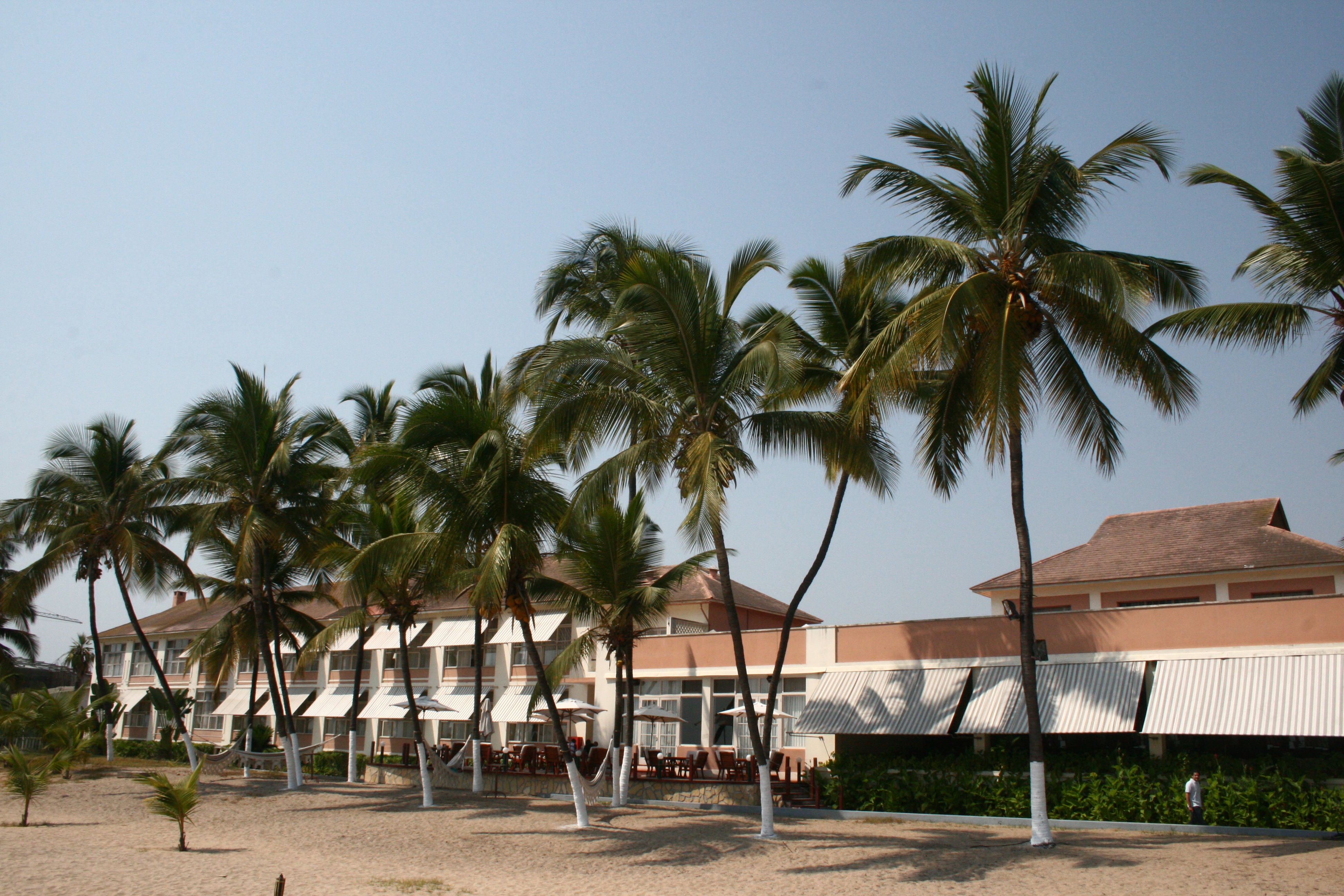
The social centre of Lobito is not a square or a market but the Restinga itself. Bars and restaurants line the sandy spit, their tables spilling toward the water. At Alfa Bar, the street-side seats fill before the indoor ones do, and the pizzas are decent enough to keep them full. Zulu occupies the very tip of the peninsula, about as far from the mainland bustle as you can get without boarding a boat. Luna, which opened in 2014, brought an unusual level of polish to the province's nightlife -- good food, a curated atmosphere, and a limited menu that suggests the owners chose quality over breadth. The mood along the Restinga is unhurried, shaped by ocean breezes and the particular Angolan talent for making social occasions last.
Saints, Sport, and Celebration
Lobito's cultural calendar revolves around the Solemnities of Saints Pedro and Paulo, a religious festival promoted by the Parish of Sao Paulo da Bela-Vista and the Diocese of Benguela. The celebrations draw the city together in a way that few other events manage, blending Catholic tradition with Angolan exuberance. On the sporting side, the Academica Petroleos Clube do Lobito competes in the Girabola, Angola's top football league, giving the city a stake in the national conversation every matchday. Between the saints and the stadium, Lobito finds its rhythm -- a port city that works hard during the week and knows how to gather on the weekend.
Gateway to Benguela
Catumbela Airport lies 13 kilometres from the city centre, and Benguela Airport is 33 kilometres south, giving Lobito two air connections to the rest of Angola. But most visitors arrive by road, rolling in along the EN-100 from either direction. The reward for those who linger is a city that feels less polished than Luanda but more honest -- a working port with salt air, good light, and the Igreja da Arrabida rising above the rooftops. Benguela, with its colonial architecture and deeper historical roots, waits just down the coast. Lobito does not compete with it for prestige. It simply keeps the harbour running.
From the Air
Located at 12.35S, 13.55E on Angola's Atlantic coast. The Restinga sand spit and harbour are clearly visible from altitude. Catumbela Airport (FNCT) is 13 km to the northeast; Benguela Airport is 33 km south. The EN-100 highway is traceable along the coast. Recommended viewing at 5,000-8,000 feet for harbour detail. Tropical arid climate with generally good visibility.