Lopez Island
On Lopez Island, people wave. Not the perfunctory acknowledgment of passing traffic, but a genuine greeting - hand lifted from the steering wheel, eye contact made, a moment of human connection on a road that winds past sheep pastures and weathered barns. The 'Lopez Wave' has become something of an inside joke among residents, but it reflects a deeper truth about this island's character. Compared to Orcas and San Juan, its larger neighbors in the archipelago, Lopez remains deliberately undeveloped. This is not an accident. The community has resisted the pressures that transformed other islands, preferring rural quiet to tourist convenience. Cell service is spotty; prices are high; the ferry schedule demands patience. In exchange, visitors find an island that still feels like the San Juans of fifty years ago - farmland, forest, and the particular beauty of shorelines accessible only to those willing to slow down.
Getting There
Washington State Ferries operates the only practical route to Lopez: the Anacortes-San Juan Islands run, with Lopez as the first stop after leaving the mainland. The schedule is notoriously complex - multiple vessels making interisland loops, sailings roughly hourly in summer, less frequent in winter. Vehicle reservations are strongly recommended; during peak summer weekends, the wait for standby loading can stretch to hours. Missing the last ferry means an unplanned night on the island, which is not the worst fate but requires finding accommodations that may already be booked. Walk-on passengers have it easier, though they'll want to arrange transportation on the other side. Seaplanes from Seattle offer a faster, more expensive alternative.
A Different Pace
Lopez is relatively flat by San Juan standards, making it popular with cyclists. The roads wind past farms and through second-growth forest, with occasional views across the channel to neighboring islands. But the distances are real - you won't want to bike the entire island in an afternoon, and the south end feels genuinely remote. Most businesses cluster in Lopez Village, at the entrance to Fisherman Bay, where a general store, a few restaurants, and the post office constitute something like a downtown. The island's year-round population hovers around 2,500, many of whom rely heavily on local agriculture. Imported food is expensive; growing seasons matter here in ways that urban visitors may not immediately understand.
Preserves and Parks
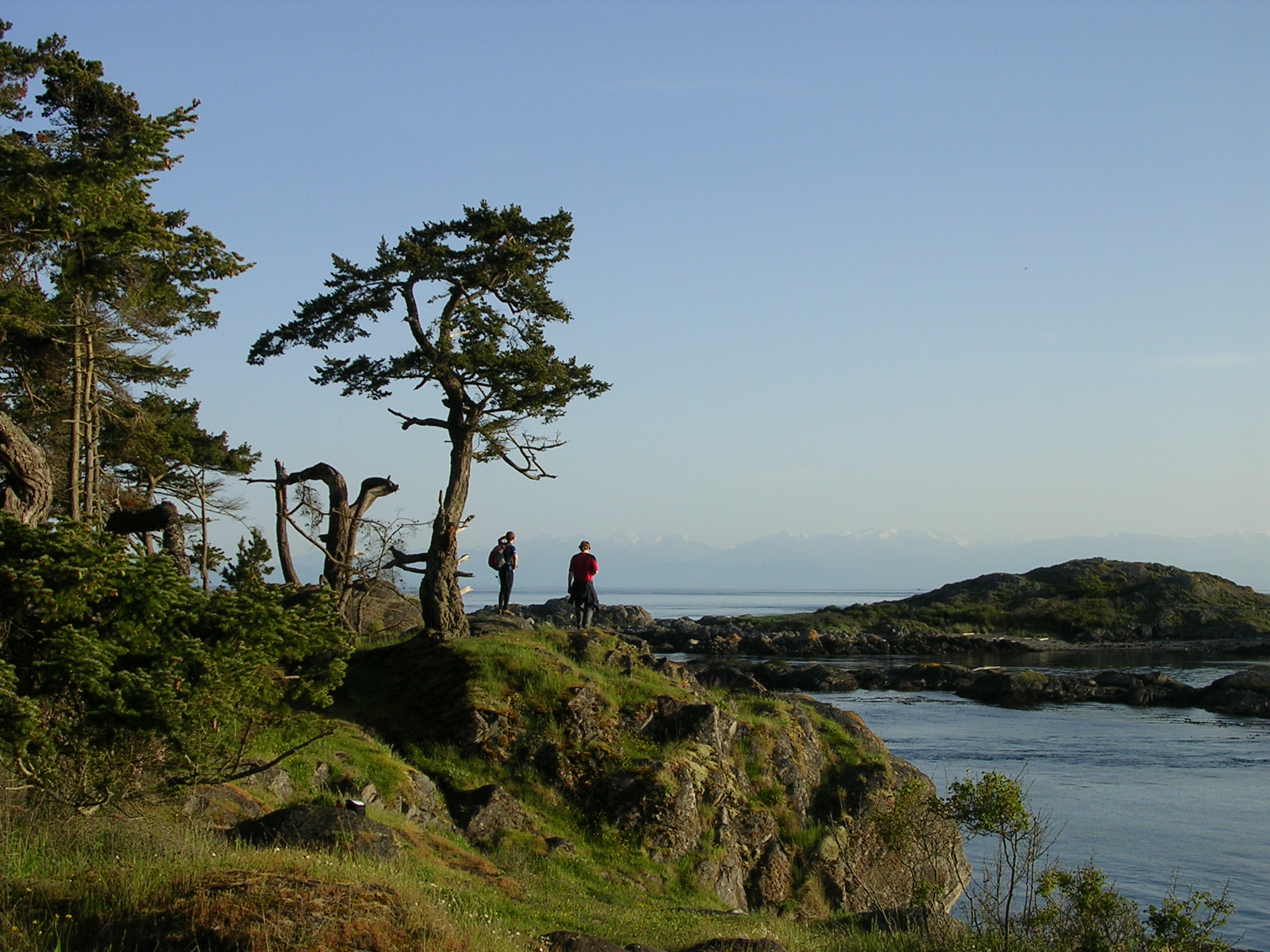
Lopez Island's natural areas are among the finest in the archipelago. Iceberg Point, at the southern tip, offers exposed headlands where wind-sculpted trees cling to rock above the Strait of Juan de Fuca. Shark Reef Sanctuary protects tide pools and rocky shoreline on the island's west side. Spencer Spit State Park, on the eastern shore, features a sandspit that nearly connects to Frost Island at low tide. The hiking is not strenuous - this is not Orcas's Mount Constitution - but the landscapes reward attention. Seals haul out on offshore rocks; eagles circle above the forest; the light changes constantly over water that shifts from grey to blue depending on the sky.
Island Time
Living on Lopez requires adjustments that visitors only glimpse. The ferry schedule structures daily life; missing a sailing can mean missing an appointment on the mainland. The library, community center, and grange host events that serve as the island's social fabric - concerts, lectures, potlucks that draw the community together. Vacation rentals require county permits; accommodations book far in advance for summer weekends. The locals are friendly but private, protective of the quiet they've worked to maintain. This is not a place to rush. The island reveals itself slowly, in the rhythm of tides and the patterns of light on Fisherman Bay. Those who come expecting Orcas or San Juan will be disappointed. Those who come expecting Lopez will understand why people wave.
From the Air
Located at 48.48N, 122.89W in the San Juan Islands. Lopez is the third-largest island in the archipelago, relatively flat compared to Orcas Island to the north. The island is approximately 3nm east of the Washington mainland ferry route from Anacortes. Nearest airports: Lopez Island Airport (S31, public, 2,900 ft paved, uncontrolled), Anacortes Airport (74S, 10nm east), Bellingham (KBLI, 20nm north). Floatplane services operate from Seattle. San Juan Islands airspace requires awareness of multiple small airports and float plane operations. Marine weather dominates: low clouds, fog, and rain common, especially in fall and winter. Summer can offer excellent VFR conditions with scenic flying over the archipelago.