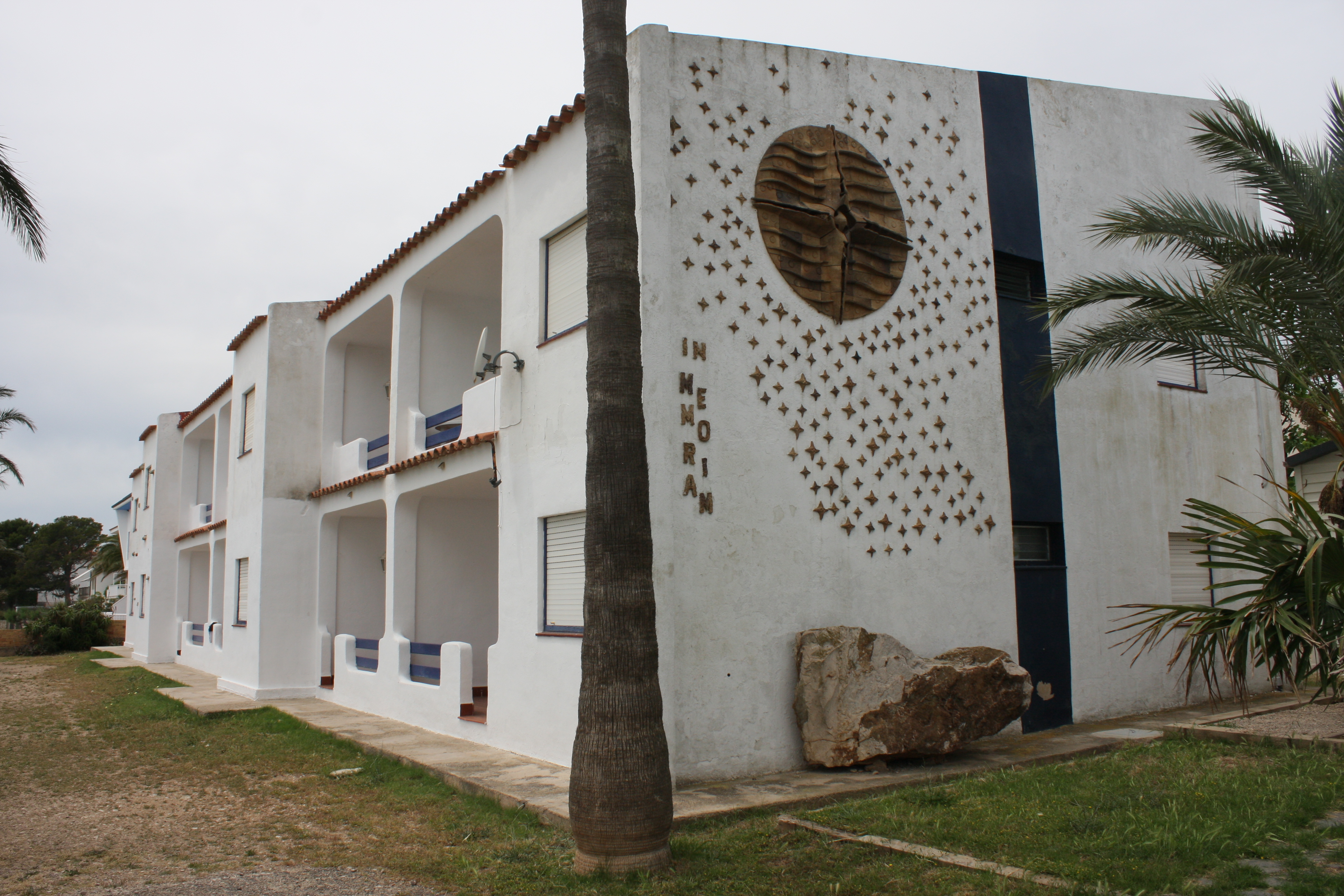
Los Alfaques Disaster
The driver's watch stopped at 2:36 pm. It was still attached to his wrist when investigators found it. On 11 July 1978, a road tanker carrying over 23 tons of liquefied propylene -- more than four tons over its maximum design load -- ruptured as it passed the Los Alfaques campsite near Alcanar on Spain's Mediterranean coast. What followed was one of the deadliest road transport disasters in European history: 215 people killed, over 300 injured, and a seaside holiday ground transformed into an inferno.
A Chain of Failures
The disaster began hours earlier at a refinery in La Pobla de Mafumet, north of Tarragona. At 10:15 that morning, the tanker arrived to be loaded with propylene destined for Puertollano. By 12:05 pm it departed carrying 23.47 metric tons in a vessel rated for only 19.35. The tank was nearly full of liquid, with almost no ullage space for the gas to expand safely. Making matters worse, the tank lacked emergency pressure relief valves -- once mandatory for such cargo but no longer required under 1978 regulations. The vessel itself, manufactured in Bilbao in 1973, had previously carried corrosive substances including improperly pressurized anhydrous ammonia, which had left microscopic stress cracks in the steel. A tank overloaded, weakened by corrosion, stripped of its safety valves, and carrying one of the most flammable substances in industrial use -- it traveled 102 kilometers down a winding coastal road before something gave way.
Two Minutes of Horror
The campsite of Los Alfaques -- Spanish for "the sandbanks" -- was wedged in a triangle between the N-340 coastal road and the beach, separated from traffic by only a brick wall. Its legal capacity was 260 people. On that July afternoon, roughly 800 vacationers were staying there, most of them families from West Germany and other European countries. When propylene began venting from the ruptured tank, it formed a dense white cloud that drifted into the campsite and toward a nearby discothèque. Some campers, curious, walked toward the cloud. Within moments it reached an ignition source and flashed back to the tanker, triggering a massive boiling-liquid expanding-vapor explosion. The fireball's diameter was enormous. Pieces of the tanker were flung hundreds of meters. People ran burning into the sea, trying to extinguish the flames consuming their hair and clothes.
The Agonizing Aftermath
The first ambulance reached the scene at 2:45 pm, from a Shell oil drilling site. Municipal ambulances did not arrive until 3:05 pm, and the fire brigade came around 3:30 pm. In the first forty-five minutes, survivors evacuated the injured in their own cars. Identification of the dead proved agonizing. Most victims wore only swimsuits and carried no documents. The administration building where guest records were stored had been destroyed. DNA testing did not yet exist. Forensic teams from the victims' home countries worked methodically to identify every person. Seven victims remained unidentified for some time, eventually interred at the cemetery in Tortosa. A Colombian family of three was never repatriated; they rest there still, the only foreigners buried alongside local victims.
Blame and Memory
The carrier, Cisternas Reunidas, accepted responsibility but denied ordering the driver to use the toll-free national road instead of the motorway. Workers at the refinery later said they had overheard the driver arguing on the phone, demanding money for the motorway toll. The investigation found the tanker overloaded, its steel corroded, its safety systems absent. The disaster led to new Spanish legislation restricting hazardous cargo transport through populated areas to nighttime hours only. Decades later, the campsite still operates at the same location. In 2012, its owners sought legal relief under Spain's "right to be forgotten" laws, arguing that internet search results remained dominated by images of the 1978 catastrophe. The court dismissed the case. Some tragedies refuse to be forgotten -- and perhaps should not be.
From the Air
Located at 40.60N, 0.57E on Spain's Mediterranean coast south of the Ebro Delta. The campsite sits between the N-340 road and the beach near Alcanar, south of Sant Carles de la Rapita. Best viewed at 2,000-3,000 feet. The nearest major airport is Reus (LERS), approximately 80 km to the north. The Ebro Delta is a prominent visual landmark nearby.