Louisville: The Derby City Where Bourbon and Baseball Bats Are Born
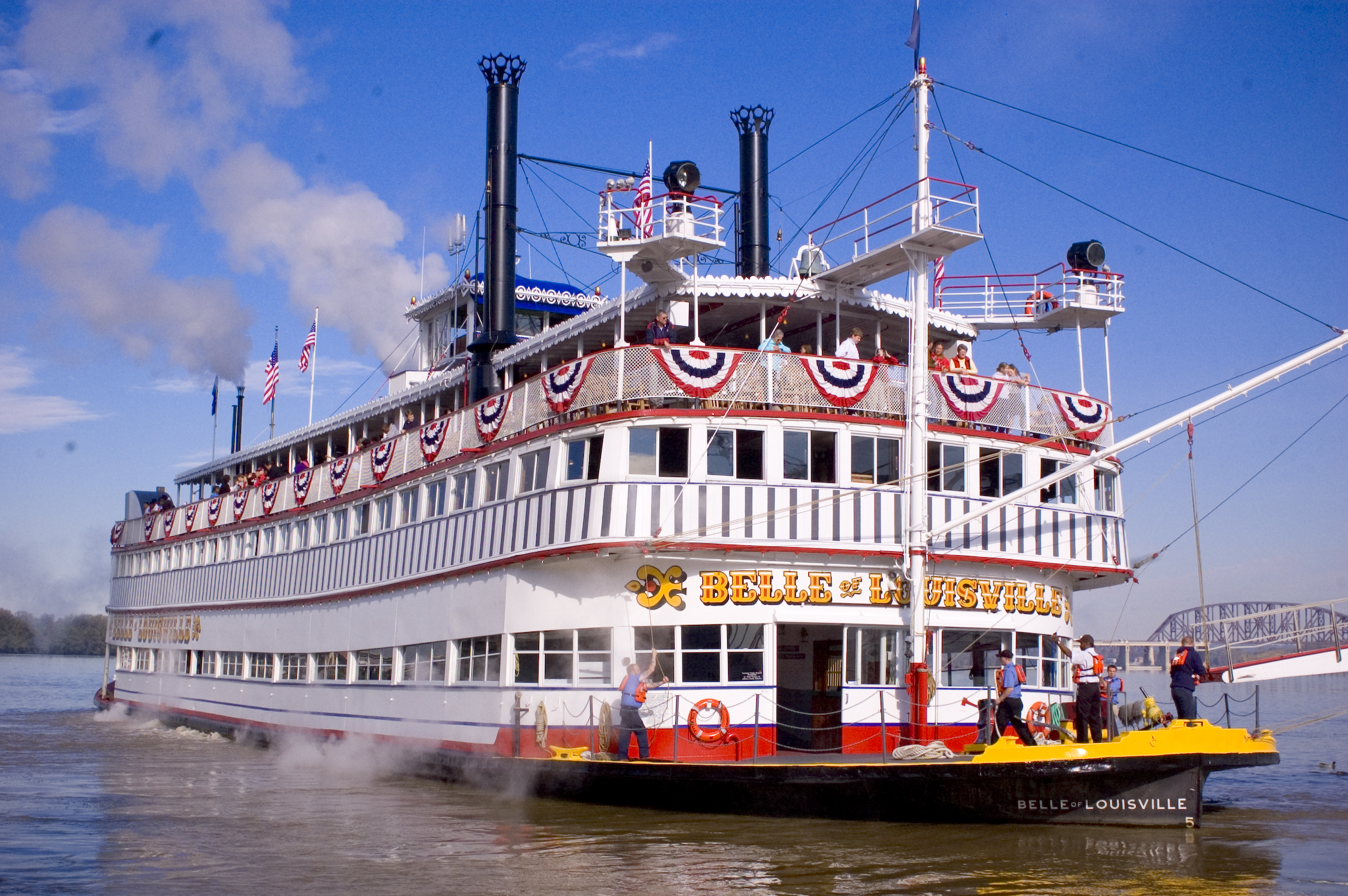
Louisville exists at a threshold - the northernmost Southern city or the southernmost Northern city, depending on who's arguing. The Ohio River that flows past downtown was the boundary between slave and free states; Kentucky stayed with the Union while sympathizing with the Confederacy. The ambiguity persists: Louisville has Southern accents and Midwestern pragmatism, bourbon and basketball, the Kentucky Derby and the Louisville Slugger. The city of 630,000 occupies the falls of the Ohio, the point where river navigation required portage before the locks were built. The location made Louisville a commercial center; the bourbon, the bats, and the horses made it distinctive.
The Derby
The Kentucky Derby is held the first Saturday in May at Churchill Downs, where it's been held since 1875 - the oldest continuously held horse race in America, 'the most exciting two minutes in sports.' The traditions are elaborate: the mint juleps, the hats, 'My Old Kentucky Home' sung before the race, the roses draped on the winner. The race itself is the culmination of the Triple Crown circuit; the party that surrounds it consumes Louisville for weeks. Churchill Downs operates year-round, but Derby Day is the event that defines Louisville's national identity, the one moment annually when everyone knows the city exists.
The Bourbon
Kentucky produces 95% of the world's bourbon; Louisville is its commercial capital. The Bourbon Trail runs through the surrounding counties - Maker's Mark, Woodford Reserve, Jim Beam, Wild Turkey - but the urban distilleries and bars concentrate in Louisville. The bourbon renaissance of the 21st century elevated what was once considered unsophisticated liquor into craft product commanding premium prices. The Louisville Whiskey Row, burned and rebuilt multiple times, now holds distilleries and bourbon bars. The bourbon culture provides both tourism and identity - Louisville tastes like bourbon in ways that are literal as well as metaphorical.
The Slugger
Louisville Slugger baseball bats have been made here since 1884, the company name synonymous with the product. The Louisville Slugger Museum & Factory downtown features a 120-foot bat leaning against the building, visible for blocks. Tours show the manufacturing process; the gift shop provides personalized bats. The factory remains in Louisville partly for heritage, partly because the company (Hillerich & Bradsby) was family-owned until recent decades. The bat is as much Louisville's symbol as the horse - both represent sports traditions that give a mid-sized city outsized recognition.
Muhammad Ali
Cassius Clay was born in Louisville in 1942, became Muhammad Ali, and became the most famous athlete on Earth. The Muhammad Ali Center downtown explores his life and ideals - the boxing career, the Vietnam War resistance, the Parkinson's disease, the humanitarian work. Ali's relationship with Louisville was complicated; he left, returned, left again. The city claims him now, the airport renamed in his honor, the Center presenting his legacy. Ali transcended Louisville, transcended boxing, transcended sports; the city that produced him tries to live up to his example.
Visiting Louisville
Louisville is served by Louisville Muhammad Ali International Airport (SDF). The Kentucky Derby Museum at Churchill Downs offers Derby history year-round; attending the actual Derby requires advance planning and significant expense. The Louisville Slugger Museum includes factory tours. The Muhammad Ali Center presents his life comprehensively. For bourbon, the Urban Bourbon Trail provides a self-guided tour of bars and restaurants. The Louisville Waterfront Park offers Ohio River views. For food, the Hot Brown (open-faced turkey sandwich) is the local specialty. Derby season is crowded and expensive; the rest of the year is more manageable.
From the Air
Located at 38.25°N, 85.76°W on the Ohio River at the falls that required portage before locks. From altitude, Louisville appears as urban development along the river - Churchill Downs identifiable by its distinctive twin spires, the downtown cluster visible, the bridges connecting to Indiana. The river that divided slave from free states still marks the boundary between Kentucky and Indiana. What appears from altitude as a mid-sized river city is Derby City - where the bourbon flows, where the bats are made, and where Muhammad Ali came from.