Lovettsville Air Disaster
The alfalfa field outside Lovettsville, Virginia, looks like any other patch of agricultural land in the Blue Ridge foothills. But on the evening of August 31, 1940, this quiet stretch of farmland became the site of the deadliest disaster in U.S. commercial aviation history. Pennsylvania Central Airlines Flight 19, a brand-new Douglas DC-3A bound from Washington, D.C. to Detroit, fell from the sky in a thunderstorm, killing all 25 people on board. Among the dead was U.S. Senator Ernest Lundeen of Minnesota - a man the FBI was actively investigating for his connections to a top Nazi propaganda agent. The crash severed the only telephone lines in the area, leaving the wreckage scattered across the countryside in silence and rain.
Into the Storm
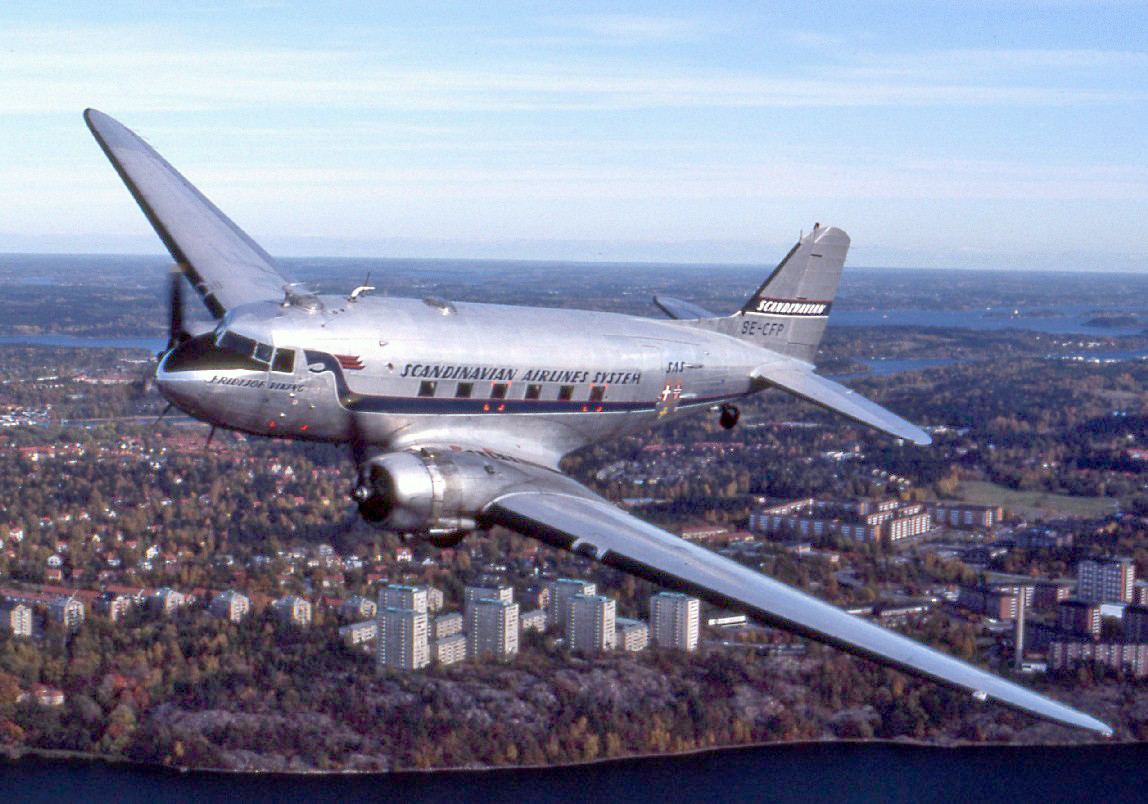
Flight 19 departed Washington on a routine evening run, scheduled to stop in Pittsburgh before continuing to Detroit. At the controls sat Captain Lowell V. Scroggins, a veteran pilot with over eleven thousand hours of flight time, and First Officer J. Paul Moore, who had logged more than six thousand hours. Both men were experienced aviators, though only a few hundred of their combined hours had been spent in the DC-3, still a relatively new type in the Pennsylvania Central fleet. Behind them in the cabin rode 21 passengers, a flight attendant, and a deadheading airline manager in the cockpit jump seat. As the aircraft approached the Blue Ridge near the West Virginia border, it flew into the teeth of an intense thunderstorm. Witnesses on the ground watched the plane struggle through the turbulence. Then came a blinding flash of lightning, and the DC-3 nosed over and plunged earthward.
A Senator Under Scrutiny
Ernest Lundeen was a complicated figure. The Minnesota senator had built a political career as an isolationist, opposing American involvement in European conflicts with a passion that drew both admirers and suspicion. What the public did not know was that the FBI had been quietly building a case connecting Lundeen to George Sylvester Viereck, one of the most effective German agents operating in the United States. Viereck had been working to spread pro-Nazi and antisemitic propaganda through American channels, and Lundeen's office had become entangled in that effort. Also aboard Flight 19 that evening were an FBI Special Agent, a second FBI employee, and a prosecutor from the Criminal Division of the U.S. Department of Justice. Whether their presence was connected to the Lundeen investigation or mere coincidence has been debated ever since. The crash ended the investigation into Lundeen, though Viereck was later convicted of failing to register as a foreign agent.
The Aftermath in the Rain
Recovery efforts began in darkness and chaos. The crash had cut the area's only telephone lines, leaving rescuers without communication. Severe flooding had turned the rural roads around Lovettsville impassable, trapping emergency crews miles from the wreckage. When teams finally reached the alfalfa field, they found debris scattered over a broad area. The violence of the impact left no survivors. The Civil Aeronautics Board launched an investigation with the limited tools available in 1940. Initial analysis pointed to windshear as the most likely cause - the sudden downdrafts that thunderstorms can produce were known hazards, though poorly understood. But as investigators pieced together witness accounts describing the brilliant flash just before the aircraft dove, the Board's final report concluded that a direct lightning strike was the probable cause, disrupting the aircraft's controls or structure in a way that made recovery impossible.
A Marker in Aviation Safety
At the time, the loss of 25 lives on Flight 19 stood as the worst disaster in U.S. commercial aviation history - a grim distinction that reflected both the growing scale of air travel and the dangers that still accompanied it. The DC-3 was the workhorse that made commercial aviation viable, carrying more passengers than any previous design, but it flew through the same weather that had always threatened smaller aircraft. The Lovettsville crash contributed to the slow accumulation of knowledge about thunderstorm hazards that would eventually reshape how pilots, dispatchers, and air traffic controllers approached severe weather. Today, aircraft routinely divert around thunderstorms that a 1940s crew would have been expected to penetrate. The lessons written in that alfalfa field are embedded in every weather briefing, every convective SIGMET, every pilot's instinct to give a towering cumulonimbus a wide berth.
From the Air
Located at 39.27°N, 77.68°W near Lovettsville in northern Virginia's Loudoun County, close to the West Virginia border. The crash site lies in rolling farmland at the base of the Blue Ridge, between Short Hill Mountain to the west and Catoctin Mountain to the east. Leesburg Executive Airport (KJYO) is approximately 15nm southeast. Martinsburg, WV (KMRB) lies about 20nm northwest. The area is in the Washington SFRA, requiring awareness of restricted airspace. The terrain rises toward the Blue Ridge gaps where thunderstorms can intensify - the same geography that channeled the storm that brought down Flight 19.