Lyon
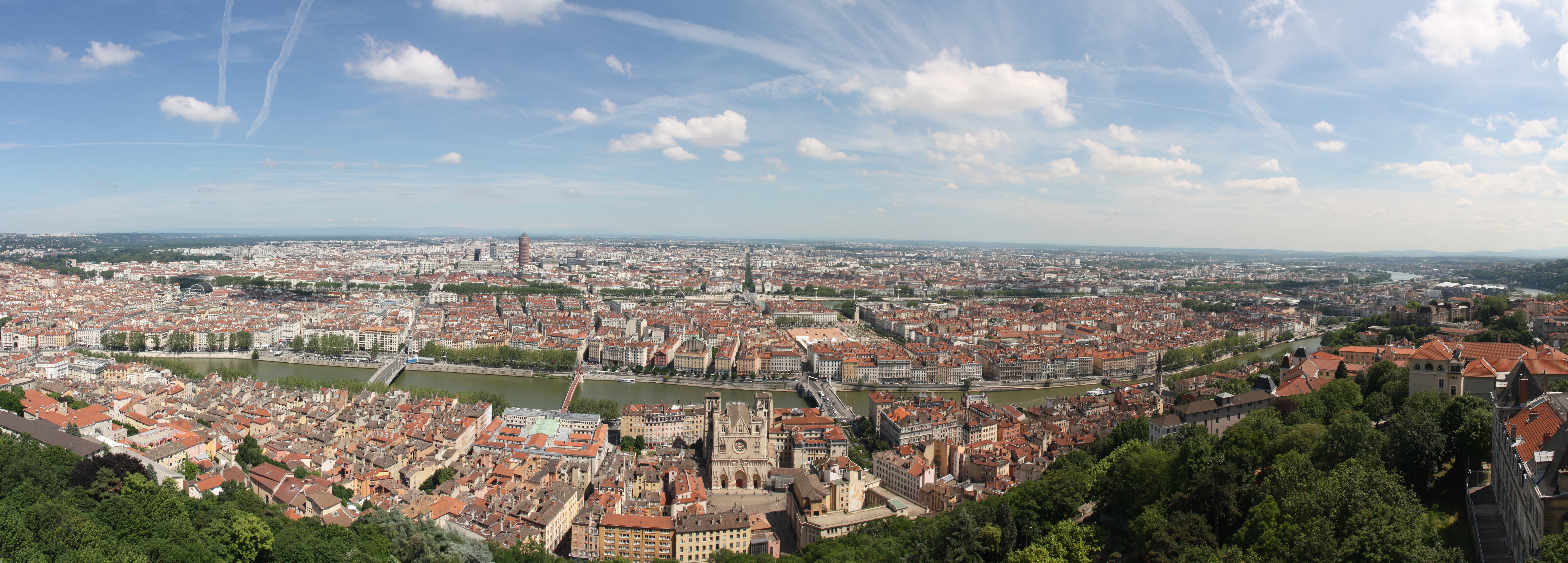
Lyon sits at the confluence of the Rhone and Saone rivers, a geographic advantage that made it the capital of Roman Gaul and kept it prosperous for two millennia since. The Romans established Lugdunum in 43 BC as the administrative center for their northern conquests; the amphitheaters and aqueducts they built remain, the oldest urban infrastructure in France. The silk industry that made medieval Lyon wealthy persists in the Croix-Rousse quarter, where the traboules - covered passageways that workers used to transport fabric - now serve tourists who discover them by accident. Lyon holds 520,000 people in the city proper, the second-largest metropolitan area in France, a city that claims to outperform Paris on every measure except pretension. The gastronomy that Paul Bocuse made world-famous, the Renaissance old town that UNESCO preserved, the science and industry that drive the economy - Lyon offers what France offers without the crowds that Paris attracts.
The Gastronomy Capital
Paul Bocuse put Lyon on the culinary map, his three-Michelin-star restaurant outside the city serving nouvelle cuisine before the term existed. The tradition predates him - the meres lyonnaises, women who cooked for silk workers in the 19th century, established a vernacular cuisine that Bocuse refined rather than invented. The bouchons that serve this cuisine - tablier de sapeur (breaded tripe), quenelles de brochet (pike dumplings), saucisson chaud - remain Lyon's contribution to world gastronomy.
The Halles de Lyon Paul Bocuse, the covered market named for the chef after his death in 2018, supplies the restaurants and home cooks who maintain the tradition. The density of restaurants per capita exceeds Paris; the quality, Lyonnais insist, exceeds it too. The gastronomy is not just culture but industry - the hospitality schools, the suppliers, the tourism that eating well generates. Lyon eats seriously because eating is serious.
The Confluence
The Presqu'ile - the peninsula between the Rhone and Saone - holds Lyon's commercial heart, the districts that developed when the rivers were the city's economic lifelines. The confluence itself, where the rivers merge south of the peninsula, has been transformed from industrial wasteland to mixed-use development, the Musee des Confluences with its deconstructivist architecture the most visible result.
The rivers shaped Lyon's history and continue to shape its geography. The Saone is calm, its quays lined with restaurants and promenades; the Rhone is faster, its banks more industrial, the contrast visible from the bridges that cross both. The confluence development represents Lyon's ambitions - a city that renovates rather than preserves, that builds contemporary alongside historic, that refuses to become a museum.
The Traboules
The traboules - from the Latin transambulare, to walk across - are covered passageways that cut through buildings, connecting streets without requiring outdoor exposure. The silk workers of the Croix-Rousse used them to transport fabric in bad weather; the Resistance used them during World War II to evade German patrols. Over 400 traboules exist in Lyon; most are private, but some can be entered during daylight hours.
The discovery of a traboule is one of Lyon's distinctive pleasures - a nondescript door opens onto a courtyard, a staircase leads to another courtyard, and suddenly you emerge on a different street than you expected. The system developed because Lyon's geography forced density; the solution created spaces that now serve as heritage. The traboules are not tourist attractions in the sense of being marked and mapped, but finding them is part of what visiting Lyon means.
The Silk Heritage
Lyon dominated European silk production from the 16th century until industrial competition destroyed the market. The canuts - silk workers - lived and worked in the Croix-Rousse quarter, their looms too tall for standard ceilings, their buildings constructed with extra height to accommodate them. The industry collapsed in the 20th century; what remains are the buildings, the traboules, and the museums that explain what Lyon once made.
The Maison des Canuts demonstrates the weaving techniques on restored looms; the Musee des Tissus holds fabrics that show what the industry produced. The silk heritage serves Lyon's identity the way wine serves Bordeaux - a history that explains present prosperity without still generating it. The high-tech industries that now employ Lyonnais arrived because the infrastructure existed; the infrastructure existed because silk money built it.
The Roman Roots
Lugdunum was the capital of Gaul, the administrative center from which Rome governed its northern territories. The amphitheater on Fourviere Hill held 10,000 spectators; the aqueducts brought water from mountains 50 kilometers away; the city at its height held 50,000 people, among the largest in the Roman world. The ruins that remain - excavated and preserved on the hillside above the modern city - are the oldest in France.
The Musee Gallo-Romain, built into the hillside next to the amphitheaters, holds artifacts that trace Lugdunum's history. The mosaics, the inscriptions, the objects of daily life - the museum presents what archaeology has recovered from a city that governed an empire. Lyon's pride in its Roman heritage reflects a deeper pride: this city has been important for two thousand years and intends to remain so.
From the Air
Lyon (45.76N, 4.84E) lies at the confluence of the Rhone and Saone rivers in southeastern France. Lyon-Saint Exupery Airport (LFLL/LYS) is located 25km east of the city center with two runways: 17L/35R (4,000m) and 17R/35L (2,670m). The Presqu'ile peninsula between the two rivers is visible. Fourviere Hill with the basilica rises above the old town. The Confluence district is at the southern tip of the peninsula. The Alps are visible to the east on clear days. Weather is continental with Mediterranean influences - warm summers, cool winters. Fog is common in the Rhone valley, particularly in autumn and winter.