Machu Picchu: The 'Lost City' That Was Never Really Lost
On July 24, 1911, American historian Hiram Bingham III climbed through cloud forest and emerged onto a mountain saddle where Inca walls peeked through centuries of vegetation. He had 'discovered' Machu Picchu - or so the story goes. In reality, local farmers had been cultivating crops among the ruins for years. Other explorers had visited and mapped portions of the site. What Bingham discovered was not a lost city but a story he could tell to the world, launching Machu Picchu from obscurity to become the most famous archaeological site in the Americas and one of the most visited places on Earth.
The Real Discovery
Machu Picchu was built around 1450 AD, likely as a royal estate for the Inca emperor Pachacuti. It was occupied for less than a century before being abandoned during the Spanish conquest - not through discovery or attack, but through choice. The Spanish never found it. The site became home to a few farming families who knew the ruins intimately but never publicized them.
Bingham was searching for Vilcabamba, the 'lost city of the Incas' where the last Inca rulers had resisted Spanish conquest. A local farmer, Melchor Arteaga, mentioned ruins on the mountain called Machu Picchu ('Old Peak'). For 50 cents, he agreed to guide Bingham there. An 11-year-old boy named Pablito Alvarez led Bingham the final stretch to the terraces his family farmed.
The Publicity
Bingham was not the first outsider to see Machu Picchu. Earlier maps and records mention the site. But Bingham was the first with the resources and connections to make the world notice. He returned with National Geographic funding, cleared the vegetation, photographed extensively, and excavated hundreds of artifacts - many of which Yale University would hold for nearly a century before returning them to Peru.
Bingham promoted Machu Picchu as the lost city of Vilcabamba, though it wasn't. He called it a citadel of the Inca's sacred 'Virgins of the Sun,' though it wasn't that either. The real history was more prosaic but no less remarkable: a royal estate where the emperor retreated with his court, featuring some of the finest stonework the Incas ever produced.
The Architecture
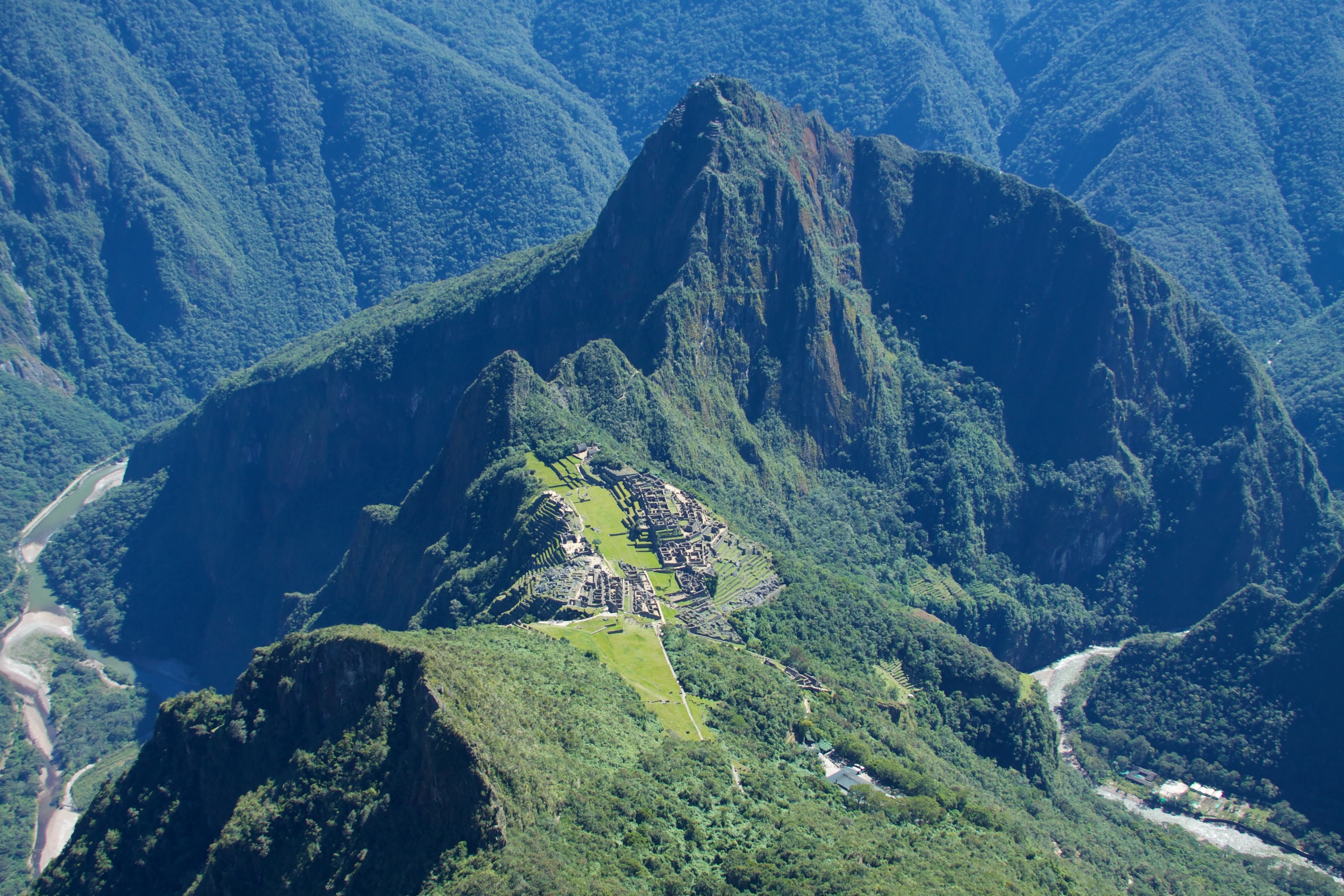
What makes Machu Picchu extraordinary is its construction. The Incas built without mortar, iron tools, or wheels, yet created walls where stones fit so precisely that a knife blade cannot pass between them. The site includes temples, residences, fountains, and agricultural terraces, all integrated into a mountain landscape that makes the buildings seem to grow from the rock itself.
The Intihuatana stone - the 'Hitching Post of the Sun' - served astronomical purposes. The Temple of the Sun aligns with the winter solstice sunrise. Water flows through a series of sixteen fountains, engineered to survive earthquakes. The Incas built for eternity, and eternity, so far, has cooperated.
The Tourist Phenomenon
From a few dozen visitors per year in Bingham's time, Machu Picchu now receives over 1.5 million annually. The site has become Peru's most important tourist destination and a UNESCO World Heritage site. The Inca Trail that reaches it has become one of the world's most famous treks.
Success brings problems. Erosion threatens the terraces. Landslides close access. The Peruvian government imposes visitor limits, time slots, and mandatory guides, yet demand continues to exceed sustainable capacity. Some argue the site should be closed for restoration; others counter that tourism funds preservation. The debate continues while the visitors keep coming.
What We Still Don't Know
Despite more than a century of study, Machu Picchu keeps its secrets. We don't know exactly why it was built or why it was abandoned. We don't know if it was primarily religious, administrative, or recreational. We don't know why the Spanish never found it or whether any Incas returned after the conquest.
What we know is that the Incas created something remarkable in a remarkably impractical location - 7,970 feet above sea level on a narrow ridge between two peaks, accessible only by mountain paths. They built it in less than a century, abandoned it cleanly, and left it to be found by farmers who saw it as good agricultural land rather than archaeological treasure. Bingham gave the world a story; the Incas gave the world a wonder.
From the Air
Machu Picchu (13.16S, 72.55W) sits on a narrow ridge at 2,430m between Huayna Picchu and Machu Picchu peaks in the Peruvian Andes. The nearest airport is Alejandro Velasco Astete International (SPZO/CUZ) in Cusco, 80km southeast. The site is not visible from typical flight altitudes due to its position in a steep-sided valley. The Urubamba River wraps around the base of the mountain. Access is by train to Aguas Calientes or by hiking the Inca Trail. Weather is subtropical highland - wet season November-March, dry season April-October. Morning fog is common.