Madeira-Mamore Railroad
They called it the Estrada de Ferro do Diabo -- the Devil's Railroad. Built between 1907 and 1912 through some of the most hostile terrain on Earth, the Madeira-Mamore Railroad was supposed to bypass the impassable rapids of the Madeira River and open Bolivia's rubber wealth to Atlantic trade. It succeeded, at a cost that no engineering budget could have anticipated: thousands of workers dead from malaria, yellow fever, snakebite, accidents, and violence. By the time the last spike was driven on April 30, 1912, the South American rubber boom was already collapsing. The railroad had been obsolete before it was finished.
A Continent's Ambition
The idea predated the railroad by more than half a century. In 1846, Jose Augustin Palacios and Rudolf Oscar Kesselring convinced Bolivian authorities that the fastest route to the Atlantic Ocean -- and to the lucrative trade with the United States and Europe -- ran through the Amazon Basin. Bolivia had Pacific coast access then, but the real money flowed across the Atlantic. In 1851, the U.S. government sent Lieutenant Lardner Gibbon to study a potential rail link between the navigable Amazon and Bolivia's production centers. His conclusion was straightforward: a railroad along the Madeira River rapids would let Bolivian goods reach American markets efficiently. What Gibbon did not account for was what the Madeira River corridor would do to the people who tried to build through it.
The Devil's Toll
During the 1870s, American entrepreneur George Earl Church made two attempts to conquer the Madeira rapids. Both ended in disaster -- defeated by terrain, malaria, and a death toll that scattered his workforce. A generation later, the Treaty of Petropolis in 1903 provided the political mechanism: Bolivia ceded the territory of Acre, some 191,000 square kilometers, to Brazil in exchange for Brazilian territory, a monetary payment, and a pledge that Brazil would build a rail link to bypass the rapids on the Madeira. Construction began in 1907. No one agrees on how many died. Novelist Errol Lincoln Uys, in his book Brazil, estimates between 7,000 and 10,000. The Brazilian government puts the figure at 6,000. Fiorelo Picoli, in O Capital e a Devastacao da Amazonica, claims more than 30,000. For context, the construction of the Panama Canal killed 30,609 workers over decades of French and American management. Much of the Devil's Railroad legend encompasses not just the 1907-1912 construction but the earlier failed attempts and the broader rubber boom itself, which consumed tens of thousands of lives across the Amazon.
Sixty Years of Irrelevance
The railroad linked Porto Velho to Guajara-Mirim, bypassing the rapids that had blocked navigation between Bolivia and the Atlantic. But the timing was catastrophic. Asian rubber plantations -- seeded with smuggled Amazonian seedlings -- were already undercutting Brazilian producers, and synthetic rubber would soon make the natural product a specialty commodity rather than a strategic resource. The railroad survived because it had to. Brazil's obligations under the Treaty of Petropolis required maintaining the infrastructure, so the trains continued to run along tracks that served a diminishing purpose. The jungle pressed in from both sides. In 1972, Brazil completed the BR-364 highway linking Bolivia to navigable regions of the Amazon, and the railroad was finally abandoned. The rails rusted. The stations rotted. The jungle that had killed so many workers to keep at bay simply took the corridor back.
Ghosts and Dams
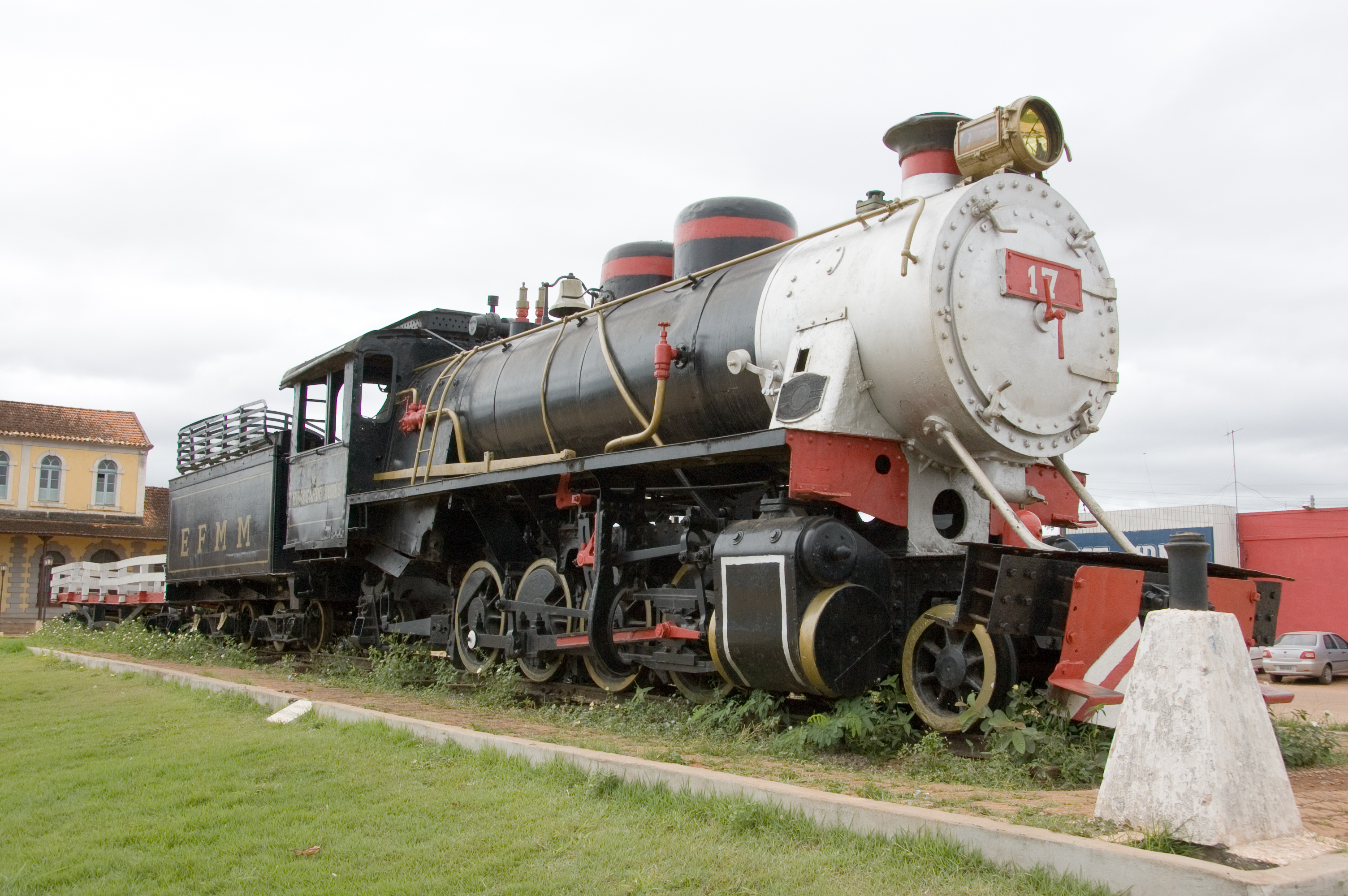
The Madeira-Mamore Railroad is gone, but the problem it was built to solve persists. Bolivia still needs access to Atlantic trade routes, and the Madeira River rapids still block navigation. Today, the solution is not rails but dams. The IIRSA South American integration project envisions a series of hydroelectric facilities that will transform the rapids into navigable lakes. Two of the four planned dams -- Santo Antonio and Jirau -- are already operational. If the remaining dams at Guayaramerin and Cachuela Esperanza are built, with their ship locks capable of handling oceangoing vessels, more than 4,000 kilometers of waterway would open across Brazil, Bolivia, and Peru. Lieutenant Gibbon's 1851 vision of efficient access to Bolivian markets would finally be realized -- not by a railroad through the jungle, but by drowning the rapids that made the railroad necessary. Some stretches of the old Madeira-Mamore line still exist near Porto Velho, where rusting locomotives and crumbling stations serve as monuments to the human cost of ambition in the Amazon.
From the Air
The Madeira-Mamore Railroad ran from Porto Velho (8.77S, 63.91W) southwest to Guajara-Mirim on the Bolivian border. The old rail corridor roughly parallels the Madeira River. From the air, remnants of the railroad are difficult to spot amid the reclaimed jungle, but the route can be traced along the river's left bank. Porto Velho International Airport (SBPV) is the nearest major airport. The BR-364 highway, which replaced the railroad's function in 1972, is visible as a cleared corridor heading southwest. The Santo Antonio Dam is visible on the Madeira River near Porto Velho.