Major Film Studios
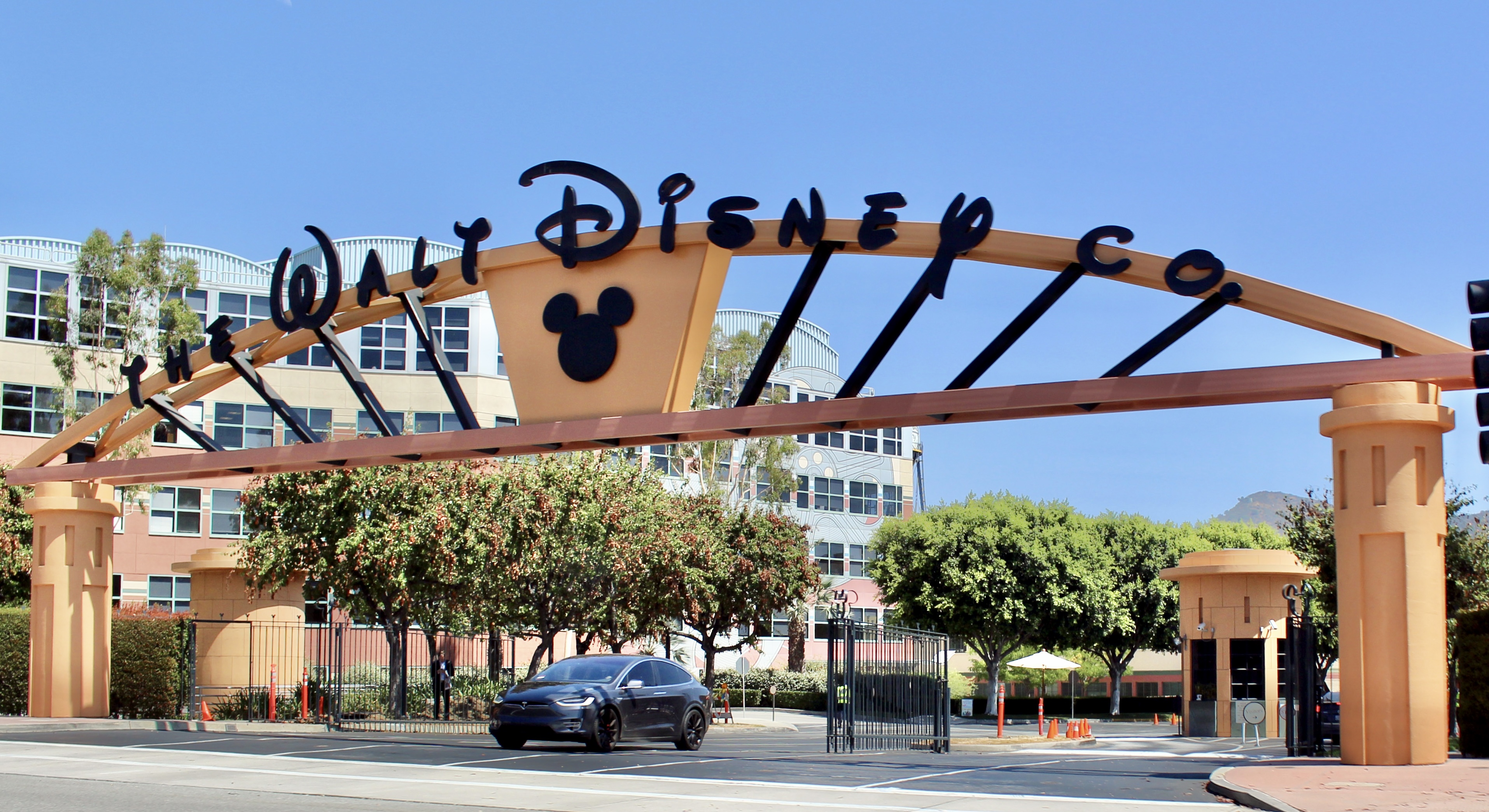
The name Hollywood has become synonymous with cinema itself, yet none of the Big Five studios actually operates within Hollywood's city limits. Warner Bros. and Disney sit in Burbank. Universal occupies its own unincorporated enclave called Universal City. Sony pictures from the old MGM lot in Culver City. Only Paramount remains in Hollywood proper, its famous arched gate at 5555 Melrose Avenue serving as the last physical link between the neighborhood's name and the industry it represents. Together, these five studios release hundreds of films each year and control roughly 80 to 85 percent of American box office revenue.
The Factory System
The modern studio system traces its roots to the early 1900s, when filmmakers migrated west seeking reliable sunshine and cheap land. By the 1920s, eight studios had consolidated control over the entire industry, owning not just production facilities but talent contracts, distribution networks, and theater chains. Paramount, Warner Bros., MGM, 20th Century Fox, and RKO operated as fully integrated empires. Universal, Columbia, and United Artists rounded out the majors as smaller players. This vertical integration made the studios enormously profitable and enormously powerful, dictating what audiences could watch and when. The system created assembly-line entertainment, with contract players rotating through genres and stories while studio bosses made every creative decision.
Shattering the Monopoly
In 1948, the Supreme Court's Paramount Decision forced the studios to divest their theater chains, breaking the stranglehold on exhibition. The golden age was ending. Television lured audiences away from movie palaces. Stars escaped their contracts. RKO dissolved in 1959, and the remaining studios struggled through the 1960s as aging moguls lost touch with changing tastes. A new generation of filmmakers saved Hollywood in the 1970s, but the studios themselves transformed into something different. Corporate conglomerates began absorbing them. Gulf + Western bought Paramount. Kinney National Company acquired Warner Bros. The studios became divisions of larger entertainment empires, their backlots now just one asset among many.
Empire of Distribution
Today's Big Five differ fundamentally from their golden age predecessors. They no longer need to produce most of their films because their true power lies in distribution. The infrastructure required to release a film globally into tens of thousands of theaters across dozens of countries represents a nearly insurmountable barrier to entry. Independent films can win awards and acclaim, but reaching mass audiences typically requires a major studio deal. This distribution muscle allows the studios to command favorable terms from theater chains and streaming platforms alike. The buildings themselves may have changed, but the concentration of power remains remarkably consistent across a century of industrial evolution.
Scattered Across the Basin
From the air, the studio lots appear as irregular patches of beige soundstages and office buildings amid the sprawl of greater Los Angeles. Universal's lot, the largest, includes the theme park that now generates more revenue than its films. The Disney lot in Burbank houses the distinctive postmodern headquarters where animated characters hold up the roof. Warner Bros. sprawls across 110 acres of backlot streets and soundstages where Casablanca and countless other classics were filmed. Paramount's 65-acre lot remains the only major studio within actual Hollywood city limits. Sony occupies the historic MGM lot in Culver City, where the Wizard of Oz's yellow brick road once wound between soundstages.
From the Air
The major studio lots are clustered in the San Fernando Valley and west Los Angeles. Warner Bros. and Disney are visible in Burbank (34.15N, 118.34W), Universal City sits just over the hill (34.14N, 118.35W), Paramount is in Hollywood proper (34.08N, 118.32W), and Sony/MGM is in Culver City (34.02N, 118.40W). Nearest airports include Bob Hope/Burbank (KBUR), Los Angeles International (KLAX), and Santa Monica (KSMO). Best viewed at 3,000-5,000 feet AGL on clear days.