Malexander Murders
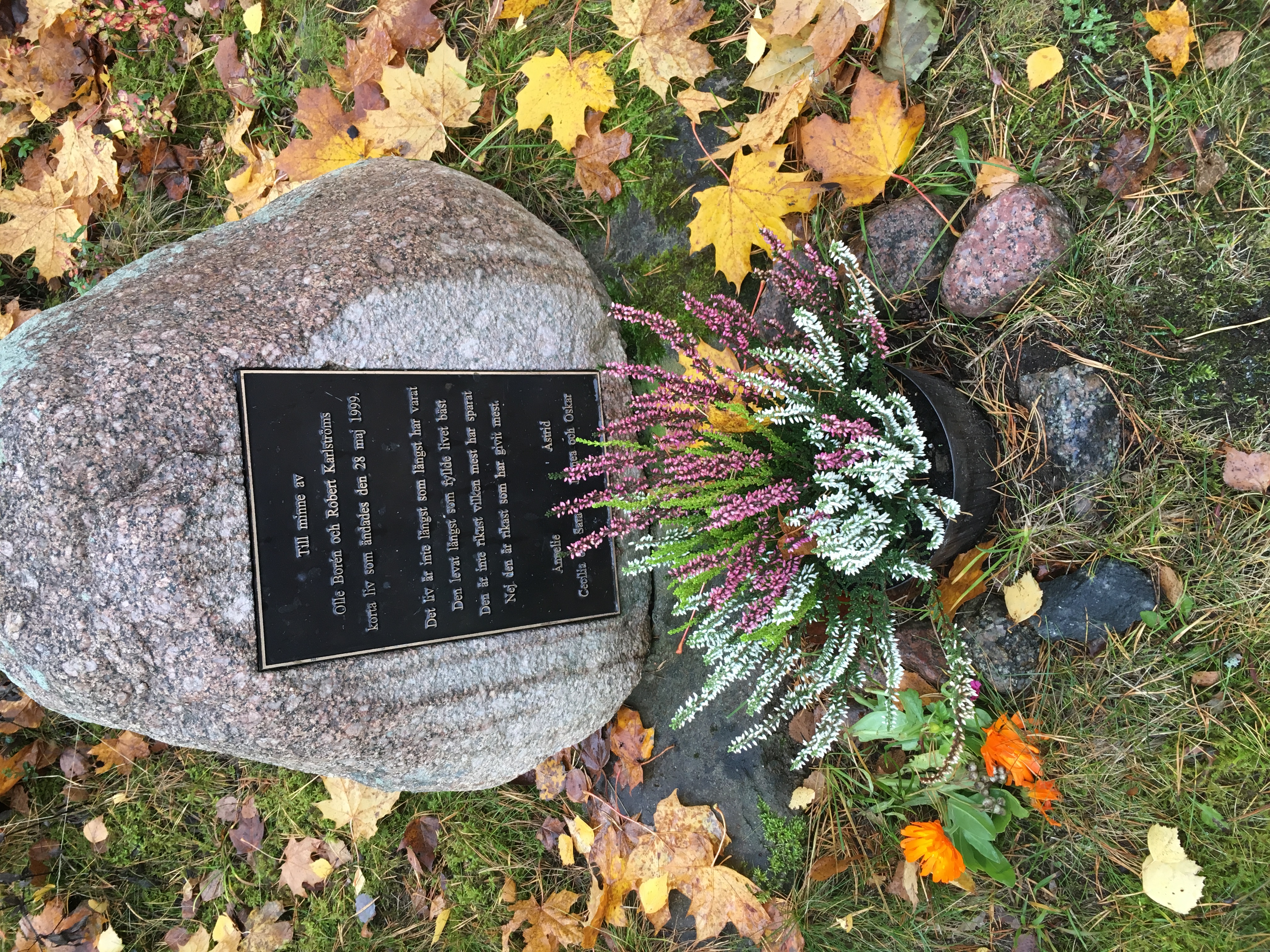
The call came in as a routine bank robbery pursuit. Officers Robert Karlstrom and Olle Boren were tailing three suspects fleeing from Kisa through the gentle landscape of Ostergotland on May 28, 1999. Near the small village of Malexander, beside a lake that mirrors the Swedish sky, the chase ended in a way that would scar a nation. The suspects pulled over, stepped out, and opened fire. What followed became known simply as the Malexander murders, one of the most disturbing crimes in modern Swedish history.
The Afternoon That Changed Everything
At 14:50 that afternoon, two men in ski masks had stormed the Ostgota Enskilda Bank in Kisa. Jackie Arklov and Andreas Axelsson brandished pistols and grenades, shouting at terrified customers to lie on the floor. Outside, Tony Olsson stood guard with an Uzi. In minutes, they had emptied the vault of 2.6 million Swedish kronor. But the robbery itself was only the beginning. As they fled, police officer Eklund gave pursuit. When the suspects pulled over near Malexander, they emerged from their car with weapons raised. The forensic evidence would later tell the gruesome story: Boren was shot five times, including once in the back of the head. Karlstrom took three bullets, one to the forehead. Both officers were based in Mjolby. Both left behind families.
Ideology of Violence
The murders were not random acts of desperation. The three perpetrators were active neo-Nazis, and the robbery spree was part of a calculated plan to fund what they called a revolutionary Nazi organization. Tony Olsson was already serving a prison sentence at the time, but had been granted furlough to participate in a theater production by playwright Lars Noren. He used that freedom to join his accomplices in armed robbery and, ultimately, murder. Axelsson, a computer instructor with no violent history, had been radicalized into the movement. Arklov, a former mercenary, had already left a trail of atrocities in the Balkans that would only come to light later. The revelation of their ideology added a chilling dimension to the tragedy.
Justice and Its Limits
The manhunt was swift but chaotic. Axelsson, wounded in the confrontation, was captured at a medical center in Boxholm hours later. Arklov, shot through the lung, was apprehended soon after. Olsson fled the country, likely with help from his fiancee, but was arrested in Costa Rica on June 6 with about one million kronor of the stolen money. All three received life sentences, though the case sparked intense legal debate. Sweden lacks a felony murder rule, and Axelsson, who definitively did not fire the fatal shots, received the same sentence as the actual killer. In June 2001, Arklov confessed to the shootings, admitting he had taken the officers' own weapons to execute them at point-blank range. That same investigation uncovered that Arklov had committed war crimes in Bosnia, torturing Bosniak Muslim prisoners as part of a Croatian paramilitary unit.
Memory and Aftermath
Malexander itself remains what it was before that May afternoon: a quiet village by a lake in Sweden's heartland. But for Swedes, the name carries permanent weight. The case prompted national conversations about prison furlough policies, extremist violence, and the limits of the justice system. Olsson escaped from Hall Prison in 2004 but was recaptured two days later. In 2019, his life sentence was commuted to 35 years, making him eligible for parole in 2022. Axelsson received a similar commutation in 2020. The families of Karlstrom and Boren have watched these proceedings knowing that no sentence can restore what was taken on that lakeside road.
A Village That Remembers
Flying over Ostergotland today, you see a patchwork of forests, farms, and lakes that define central Sweden. Malexander appears as just another peaceful settlement in this serene landscape. The lake reflects the sky. The roads wind quietly through the countryside. There is nothing in the scenery to suggest what happened here. But Sweden remembers. The Malexander murders forced a nation to confront uncomfortable truths about extremism, violence, and the vulnerability of those who serve. Robert Karlstrom and Olle Boren answered a call that day expecting a robbery pursuit. They found something far darker waiting on that quiet road.
From the Air
Located at 58.03N, 15.29E in Ostergotland, central Sweden. The village sits beside a lake in rolling agricultural countryside. Nearest major airport is Linkoping City Airport (ESSL), approximately 45km northeast. The area appears as typical Swedish farmland interspersed with forests and small lakes when viewed from altitude. Best viewed at 3,000-5,000 feet for landscape context.