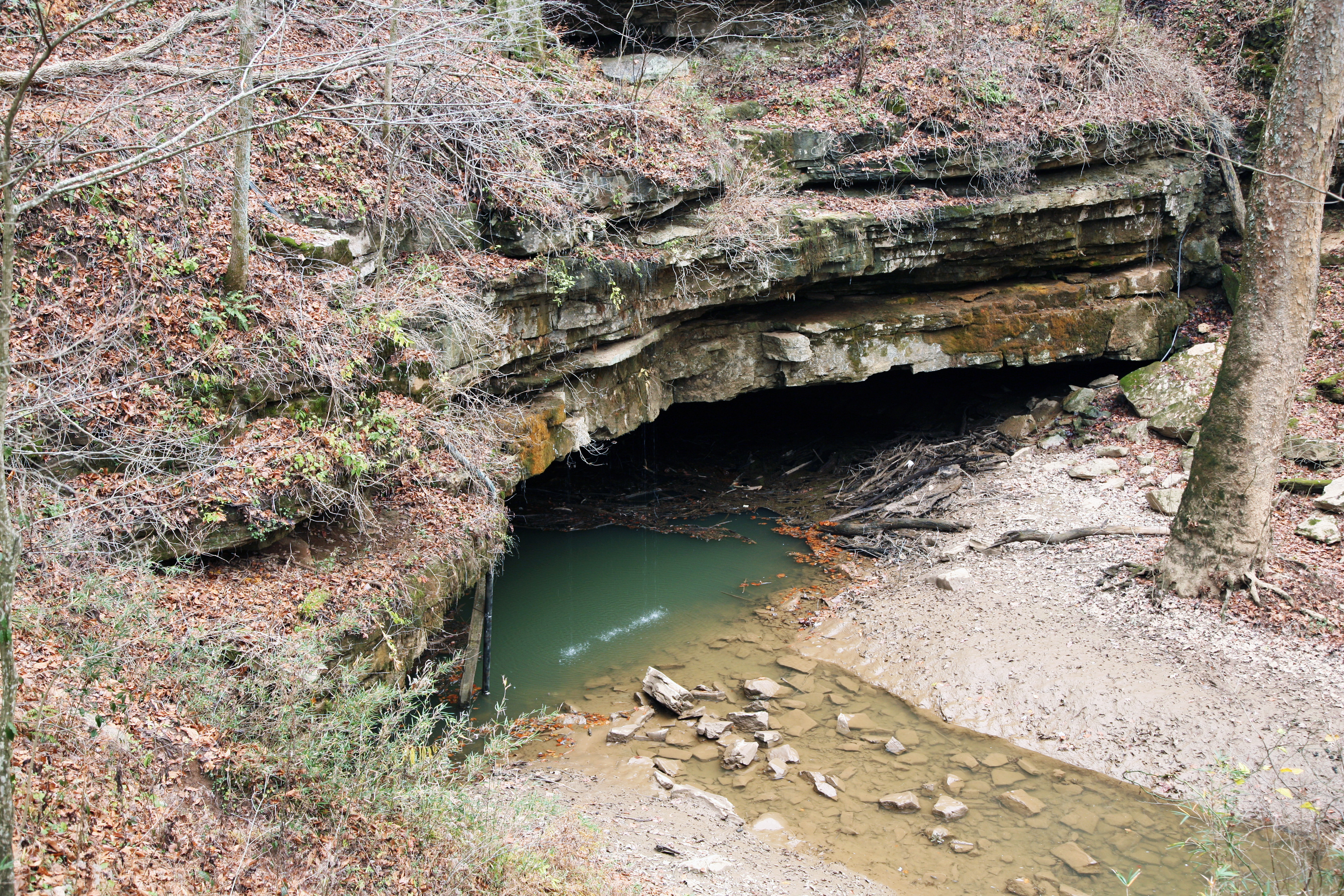
Mammoth Cave Tuberculosis Hospital
In the 1840s, Dr. John Croghan had a radical idea for curing tuberculosis: move patients underground. Croghan, who had purchased Mammoth Cave in 1839, believed the cave's constant temperature and 'pure' air might benefit consumptive patients. In 1842, he built wooden and stone huts inside the cave and moved in 15 patients. They lived in perpetual darkness, breathing cave air, isolated from the world above. Within months, all were worse; within a year, most were dead. The experiment was a disaster. Today, visitors to Mammoth Cave National Park can see the ruins of Croghan's 'hospital' - crumbling stone walls deep underground, a monument to 19th-century medicine's desperate search for a tuberculosis cure.
The Theory
Before antibiotics, tuberculosis - 'consumption' - killed millions. Doctors tried everything: fresh air sanitoria, special diets, bloodletting, and bizarre cures. Dr. John Croghan, a wealthy Louisville physician, believed cave air might help. Mammoth Cave's atmosphere was constant - about 54°F year-round, high humidity, no wind, no pollen. Croghan theorized that patients breathing this 'pure' air, away from the miasmas that 19th-century medicine blamed for disease, would improve. He had no evidence beyond theory, but consumptive patients were desperate. They agreed to live underground.
The Hospital
In 1842, Croghan constructed huts inside Mammoth Cave for his patients. Some were wooden; two stone structures survive today. The patients lived in perpetual darkness lit only by oil lamps. They slept in the huts, ate their meals underground, and walked through the passages for exercise. The constant temperature was comfortable but the humidity was oppressive. The cave air, far from pure, was saturated with moisture and lacking in ventilation. The patients coughed through the darkness, their lungs filling with fluid. The experiment that promised healing became a tomb.
The Results
The tuberculosis hospital was a catastrophe. Within months, patients who had arrived hoping for cure were deteriorating rapidly. The high humidity accelerated lung disease; the darkness depressed their spirits; the isolation from sun and fresh air worsened their condition. Most of the 15 patients died within the year, several inside the cave itself. Dr. Croghan abandoned the experiment but continued owning the cave until his own death from tuberculosis in 1849 - a final irony. The cave hospital joined the long list of failed consumption cures, remembered now as a cautionary tale about medical desperation.
The Remains
The ruins of Croghan's hospital are preserved inside Mammoth Cave. Two stone huts - roofless now - stand in the area known as Consumption Alley. Wooden structures have long rotted away. Visitors on the Historic Tour pass these ruins, their guides explaining the failed experiment. The stone walls seem ancient, though they're only 180 years old - the cave's preserving environment keeps them intact. Park interpreters balance the historical interest with the tragedy - real people died here, victims of both tuberculosis and misguided medicine. The ruins are a reminder that good intentions don't guarantee good outcomes.
Visiting Mammoth Cave
Mammoth Cave National Park is located in south-central Kentucky, accessible via Interstate 65 (Cave City exit). Multiple cave tours are offered daily; the Historic Tour passes the tuberculosis hospital ruins. Tours require reservations, especially in summer. The park is open year-round; cave temperature is 54°F regardless of season - bring a jacket. Camping, hiking, and river recreation are available in the park. Cave City has lodging and restaurants. Louisville is 90 miles north; Nashville is 100 miles south. Louisville International Airport and Nashville International Airport provide commercial service. The cave is the world's longest known cave system - over 400 miles of surveyed passages. The tuberculosis hospital is one small chapter in a much larger story.
From the Air
Located at 37.19°N, 86.10°W in south-central Kentucky. From altitude, Mammoth Cave National Park is visible as a forested area along the Green River - the karst topography that creates the cave system produces a distinctive landscape of sinkholes and springs. The cave itself is invisible from above - 400 miles of passages hidden beneath the forest. Cave City is visible to the east. The Green River winds through the park. Louisville is 90 miles north. Nashville is 100 miles south. The terrain is Kentucky hill country - forested ridges, farm valleys, and the hidden underworld that makes this the longest cave system on Earth.