Mammoth Cave: The World's Underground City
Mammoth Cave is the longest known cave system on Earth, and it's not close. Over 420 miles of passages have been mapped - more than double the second-longest cave - and surveyors keep finding more. The cave system formed as water dissolved limestone over millions of years, creating a three-dimensional labyrinth that extends under 80 square miles of Kentucky farmland. Explorers have been mapping it since 1798 and haven't finished yet. New discoveries are routine; passages connect to neighboring caves; the system keeps growing. The name 'Mammoth' referred to size, not the prehistoric animal, but it turns out both meanings apply - the cave has yielded Ice Age remains alongside its other superlatives.
The Record
Mammoth Cave became the world's longest known cave in 1972 when explorers connected it to the Flint Ridge Cave System, vaulting past Switzerland's Hölloch in a single survey. Since then, surveys have added hundreds of additional miles. The current total exceeds 420 miles (680 km), with no end in sight - every year adds another 5-10 miles. The second-longest cave, Mexico's Sistema Sac Actun, has roughly 200 miles mapped. Mammoth's lead is so substantial that catching up seems impossible. The cave is not just long; it's the clear winner in the only cave measurement that matters.
The Discovery
The cave entrance was known to Indigenous peoples for thousands of years - artifacts and human remains in the cave date back 4,000 years. European Americans rediscovered it in the 1790s and immediately began commercial development. By 1816, tours were operating; the cave became a major 19th-century tourist attraction, drawing visitors from across America and Europe. Enslaved guide Stephen Bishop mapped more of the cave than anyone before him, crossing the 'Bottomless Pit' and discovering multiple passage systems. His mental map of the cave's complexity remained unmatched for decades.
The Exploration
Modern cave exploration in Mammoth is organized, systematic, and ongoing. The Cave Research Foundation has surveyed passages since 1957, adding miles of discoveries while documenting each passage's dimensions and connections. Exploration requires squeezing through tight passages, wading through underground rivers, and spending hours (sometimes days) underground. The cave's complexity makes progress slow - new passages must be surveyed accurately and connected to existing maps. The 2019 connection to nearby Fisher Ridge added 20 miles of passages in a single breakthrough. Future connections could add substantially more.
The Biology
Mammoth Cave hosts specialized life found nowhere else. Cave-adapted creatures include eyeless crayfish, blind cave fish, and invertebrates that have evolved in absolute darkness for millions of years. The cave ecosystem depends on inputs from the surface - organic material washed in by water, bat guano, and occasional animal remains. The species that live here are highly vulnerable to pollution and disruption; the park manages surface activities to protect groundwater quality. Scientific study of cave life continues; the cave's biology is as significant as its geology.
Visiting Mammoth Cave
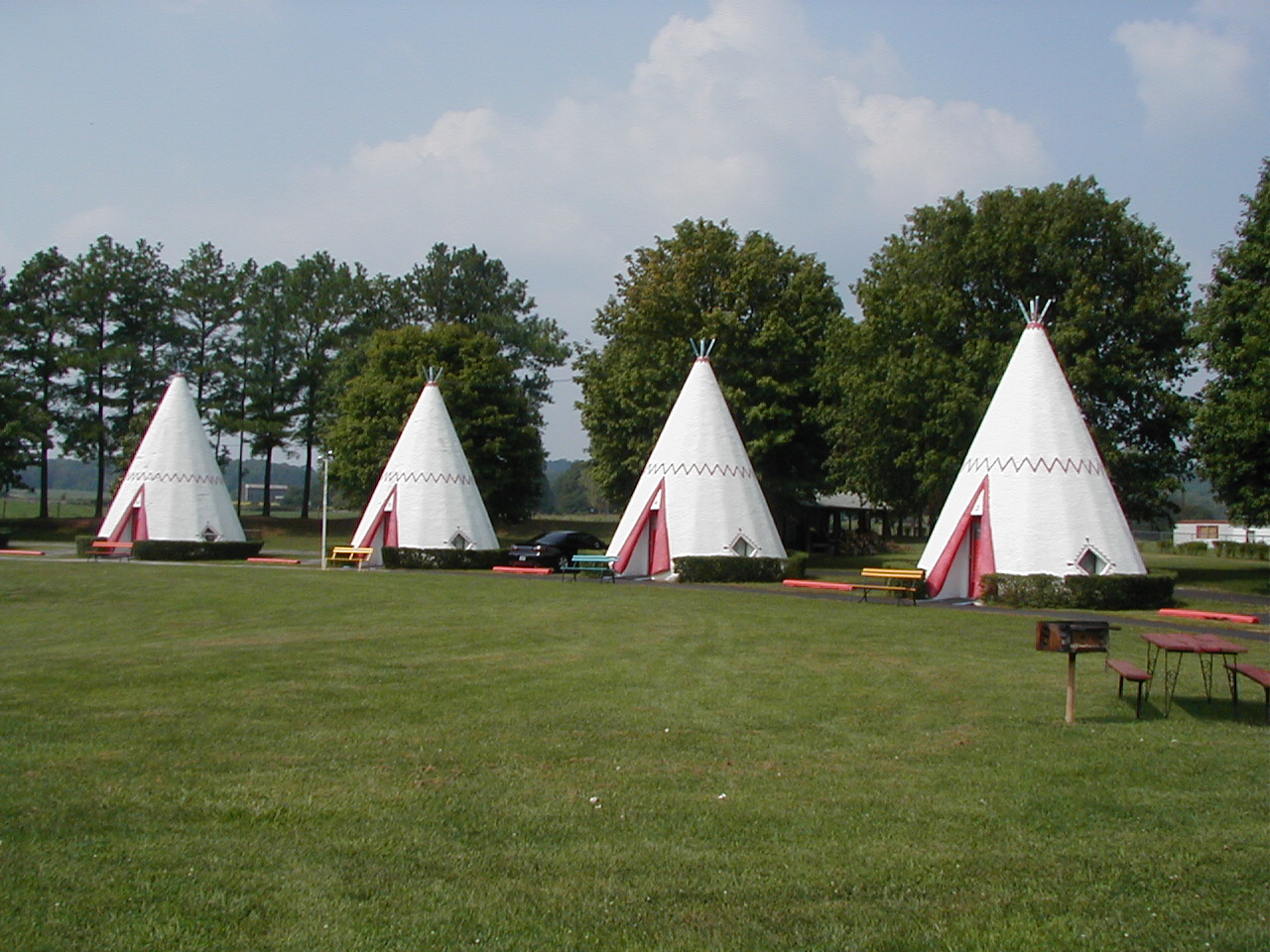
Mammoth Cave National Park is located in south-central Kentucky, about 90 miles south of Louisville. Multiple cave tours are offered, ranging from easy walks to strenuous crawls; popular tours book out in advance, especially on summer weekends. The Domes and Dripstones Tour offers accessible viewing of formations; the Wild Cave Tour involves six hours of crawling and climbing through undeveloped passages. Surface trails explore the forests above the cave. Camping is available in the park. The cave temperature is constant 54°F; bring layers. Cave City and nearby towns have motels and restaurants. Louisville and Nashville are within day-trip distance. Book tours through Recreation.gov.
From the Air
Located at 37.19°N, 86.10°W in south-central Kentucky. From altitude, Mammoth Cave National Park appears as forested hill country - sinkholes and karst terrain visible as circular depressions in the landscape. The cave system is entirely underground, invisible from above. The Green River winds through the park. The visitor center and historic entrance are located at the park's center. The terrain reveals its karst nature through subtle surface features - sinkholes, disappearing streams, springs emerging from hillsides. The 420+ miles of cave passages exist beneath seemingly ordinary forest and farmland.