Marine Corps Air Station Miramar
Edward Scripps, the newspaper magnate who built his estate on the mesa north of San Diego, looked out over the land below him and gave it a name: Miramar, 'view of the sea.' It was an apt choice for a man of his means surveying his domain from an elevated vantage point. The military saw the same mesa differently — as flat, expansive terrain ideal for training soldiers, then for flying aircraft, then for operating the most advanced fighter jet school in the world. Today MCAS Miramar is home to the 3rd Marine Aircraft Wing and covers 23,116 acres of the mesa that Scripps named.
Camp Kearny and a Famous Visitor
The installation's history begins with the Army. Camp Kearny opened on January 18, 1917, named after General Stephen W. Kearny, who had led U.S. forces in the Mexican-American War and helped establish American control over California. The camp became a major training center during World War I, processing tens of thousands of soldiers through military preparation on the flat mesa land.
After World War I ended, the Army abandoned Camp Kearny and the facilities were left to deteriorate. The parade field remained — a long, flat, open expanse of ground — and in 1927, a young aviator named Charles Lindbergh used it. Before his historic nonstop transatlantic flight from New York to Paris in May 1927, Lindbergh flew to San Diego to take delivery of the Spirit of St. Louis, the custom-built monoplane that would carry him across the ocean. He used the abandoned Camp Kearny parade ground to practice landings — getting familiar with the aircraft's handling before committing it to the most demanding and consequential flight of his career.
The irony is considerable: one of the most celebrated aviation achievements in history was rehearsed on what had been a soldier's parade ground, on a mesa that a newspaper publisher had named for the view it commanded of the Pacific.
Fightertown USA
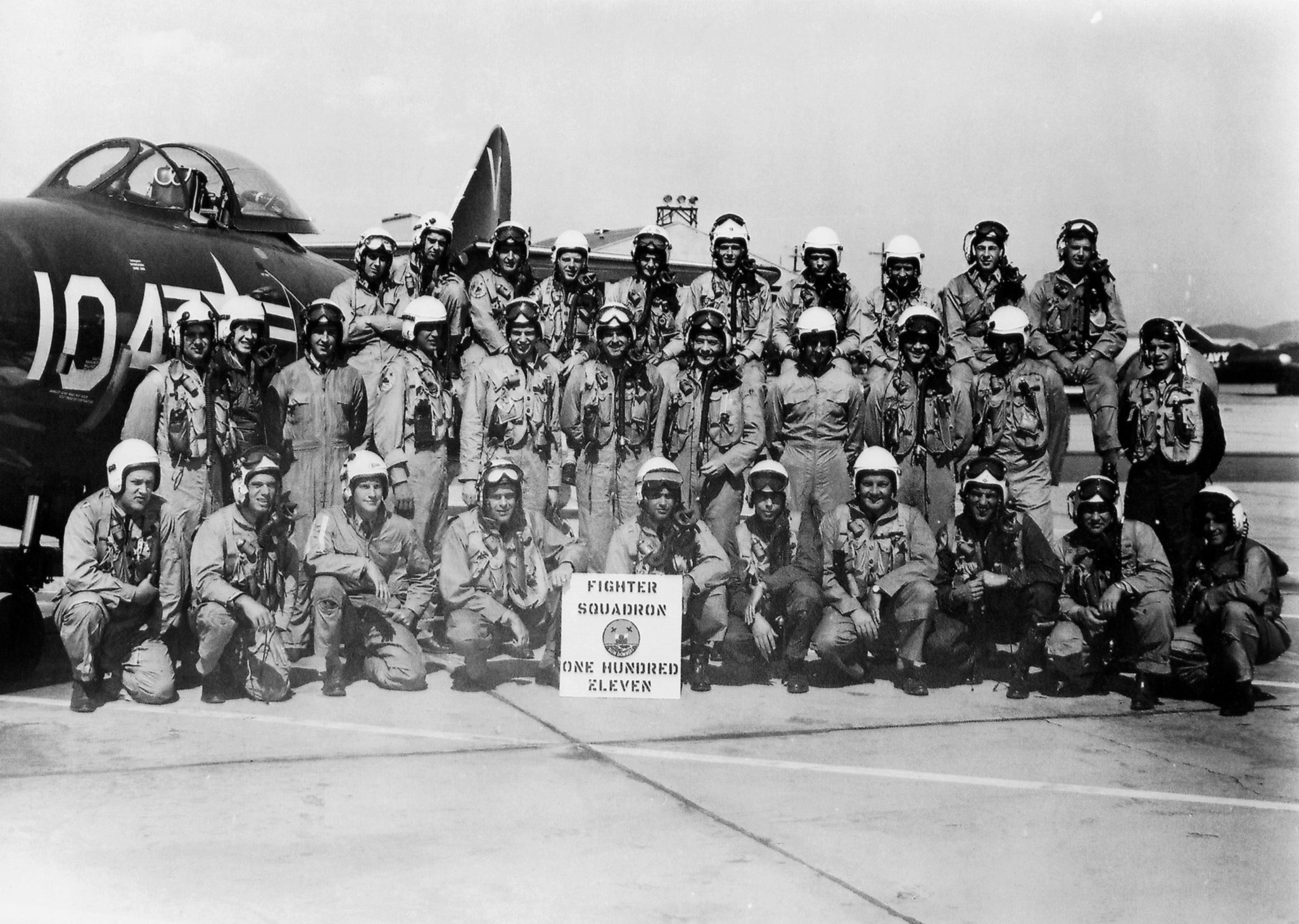
The Navy took over the installation in 1943, commissioning it as Naval Air Station Miramar. In the decades after World War II, it became home to fighter aviation training, and in 1969 the Navy established the Naval Fighter Weapons School — known everywhere as TOPGUN — at Miramar. The school had been created in response to a crisis: American fighter pilots in Vietnam were recording kill ratios far below expectations, and analysis pointed to deficiencies in aerial combat training rather than in aircraft performance. TOPGUN was the corrective, an intensive program that put selected fighter pilots through demanding simulated combat against instructors flying dissimilar aircraft, teaching the tactics and judgment that improve survival and effectiveness in air-to-air combat.
Miramar's identity became synonymous with TOPGUN. The base's unofficial nickname — 'Fightertown USA' — reflected the culture of a naval air station organized around fighter aviation and the prestige of hosting the Navy's premier combat training program. The 1986 Tom Cruise film 'Top Gun,' shot partly at Miramar, embedded this identity in popular culture at a scale the Navy's own public affairs apparatus could never have achieved.
In 1996, TOPGUN relocated to Naval Air Station Fallon in Nevada, and the base itself transferred from the Navy to the Marine Corps. It became Marine Corps Air Station Miramar, home to the 3rd Marine Aircraft Wing — described as the 'world's largest Master Jet Air Station,' a distinction that reflects both the size of the installation and the scale of the Marine Corps aviation mission it supports.
What Remains on the Mesa
MCAS Miramar today is a working military airfield with a significant operational and training mission. The 3rd Marine Aircraft Wing operates fixed-wing and rotary aircraft supporting Marine Corps expeditionary operations. The Miramar Air Show, held annually, is one of the largest airshows in the United States — the civilian face of an installation that otherwise operates behind security fencing and restricted airspace.
The base covers enough of the mesa that its presence shapes the geography of North San Diego County in ways that are visible from the air. The runways, the flight line, the housing areas, and the buffer zones occupy land that might otherwise have been absorbed into the suburban development that has filled the surrounding areas. In that sense, the military's century-long presence on the Miramar mesa has inadvertently preserved open space in one of the fastest-growing metropolitan areas in California — not through conservation policy but through the simpler mechanism of military land ownership.
Edward Scripps named the place for its view of the sea. The view is still there, though it now looks out over flight lines, hangars, and the persistent roar of military aircraft rather than the quiet agricultural landscape Scripps surveyed from his estate.
From the Air
MCAS Miramar (KNKX) sits at approximately 32.88°N, 117.14°W on the Miramar Mesa, with its runways clearly visible from altitude heading east from the coast. The installation's restricted airspace (Miramar Class C) is a significant navigation feature for VFR pilots operating in the San Diego area. The base's flight line and runways are among the most prominent man-made features visible from cruising altitude in the region. Nearest civilian airports: KMYF (Montgomery-Gibbs Executive, 6 miles west) and KSAN (San Diego International, 13 miles southwest). Military aircraft operations from KNKX are frequent during normal weekday operations.