Thirteen Weeks on the Parade Deck
The building that greets new arrivals at the Marine Corps Recruit Depot in San Diego was designed to impress — to signal, from the first moment, that this is a place that takes itself seriously. Bertram Goodhue, the architect behind many of Balboa Park's landmark structures, designed the depot's Spanish Colonial Revival buildings with the same care he brought to civic monuments. The result is a military base that looks, from certain angles, like a beautiful California dream — and then the drill instructors appear.
Breaking Ground in 1919
Colonel Joseph Pendleton drove the first stakes into the ground at MCRD San Diego on March 2, 1919, just months after the end of World War I. The Marine Corps was establishing a permanent training installation on the West Coast to complement Parris Island on the East Coast, and San Diego — with its warm climate, its military-friendly political environment, and its proximity to Pacific deployments — was the natural choice.
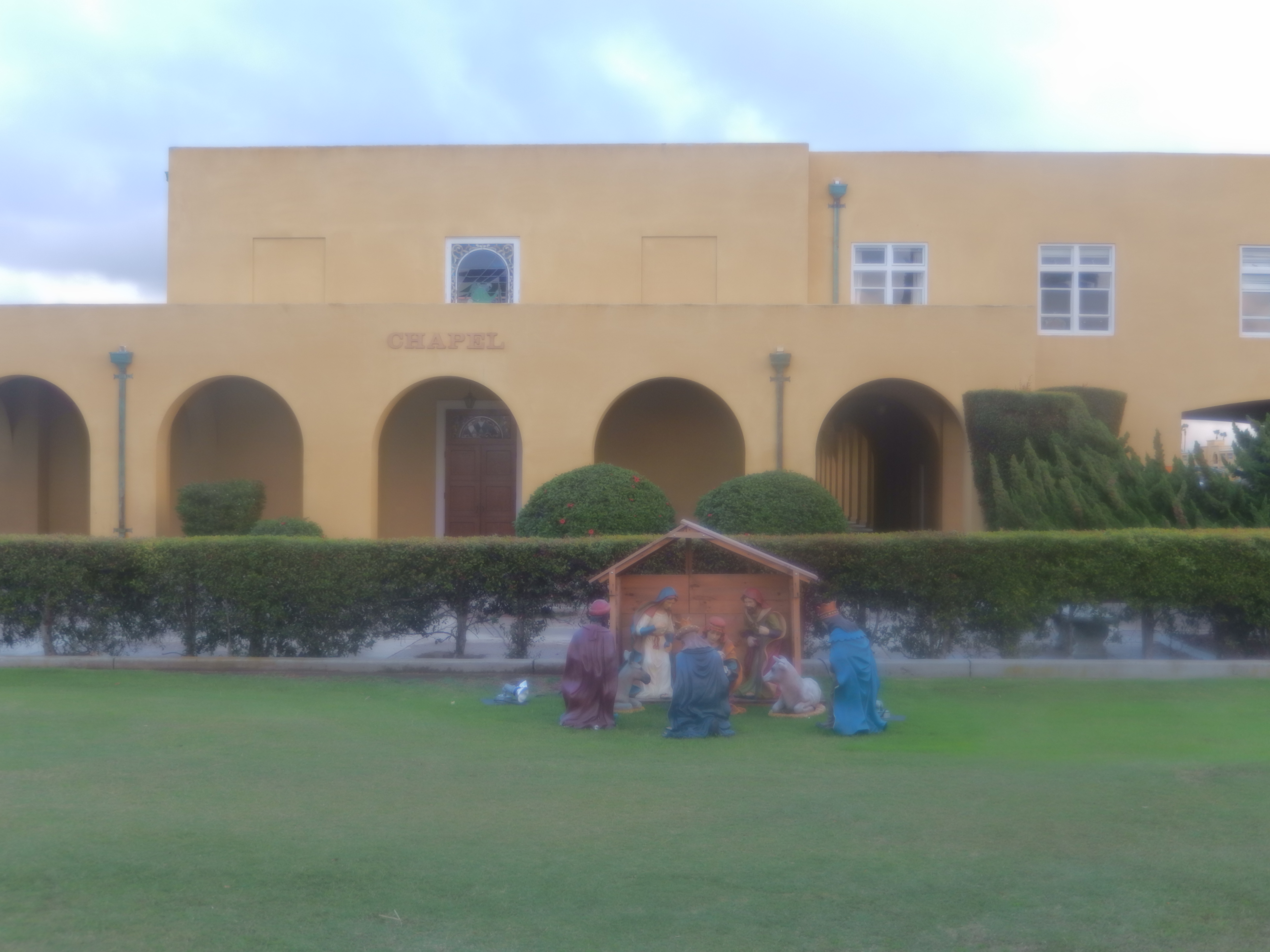
Goodhue's architectural vision gave the base a visual coherence unusual for military construction. The arcaded corridors, red tile roofs, and courtyard arrangements of the original buildings were designed to last and to communicate institutional permanence. They have done both. The historic district of MCRD San Diego is now listed on the National Register of Historic Places.
The Making of Marines
Since 1919, more than 1.5 million men and, more recently, women have passed through the recruit training program at MCRD San Diego. The thirteen-week cycle that transforms civilians into Marine recruits has been refined through more than a century of institutional learning about what the process requires — physically, psychologically, and morally.
The parade deck is the symbolic center of the depot, where recruit platoons form and march and eventually stand at graduation. Families who come to watch their sons and daughters graduate often describe the ceremony as unexpectedly moving — the precision of the formations, the weight of what has been accomplished in thirteen weeks, and the visible transformation of the young people they knew before they arrived.
A Century of Change
MCRD San Diego has evolved significantly over its century of operation. The facility expanded repeatedly as the Marine Corps grew, and the training programs have been updated to reflect both military requirements and changing social realities.
The most significant recent change was the integration of female recruits. For most of the depot's history, women Marines trained at Parris Island exclusively. On April 22, 2021, the first female graduates completed recruit training at MCRD San Diego — a moment that marked the end of a long and sometimes contentious debate about whether the West Coast installation would integrate. The women who graduated that day did so in a building Bertram Goodhue designed, under the red tile roofs that have sheltered generations of Marines becoming Marines.
What the Depot Means to San Diego
The relationship between MCRD San Diego and the city around it is one of the defining features of San Diego's identity. The Marine Corps has been a presence here for more than a hundred years, its recruits visible in the city on weekends, its aircraft overhead, its culture woven into the fabric of a region that has always been deeply oriented toward military service.
The depot occupies prime land along the bay and Mission Bay Channel, land that would be worth extraordinary sums if it were available for commercial development. That it remains a military installation reflects both the practical importance of West Coast training and the political calculus of a city that has chosen, generation after generation, to remain a military town. The Spanish Colonial buildings along the parade deck are, in their way, monuments to that choice.
From the Air
MCRD San Diego sits prominently along the bay between downtown San Diego and the airport, its parade grounds and Spanish Colonial buildings easily visible from the air.