Galen's Hospice: The Cabin That Kept Watch Over the Giants
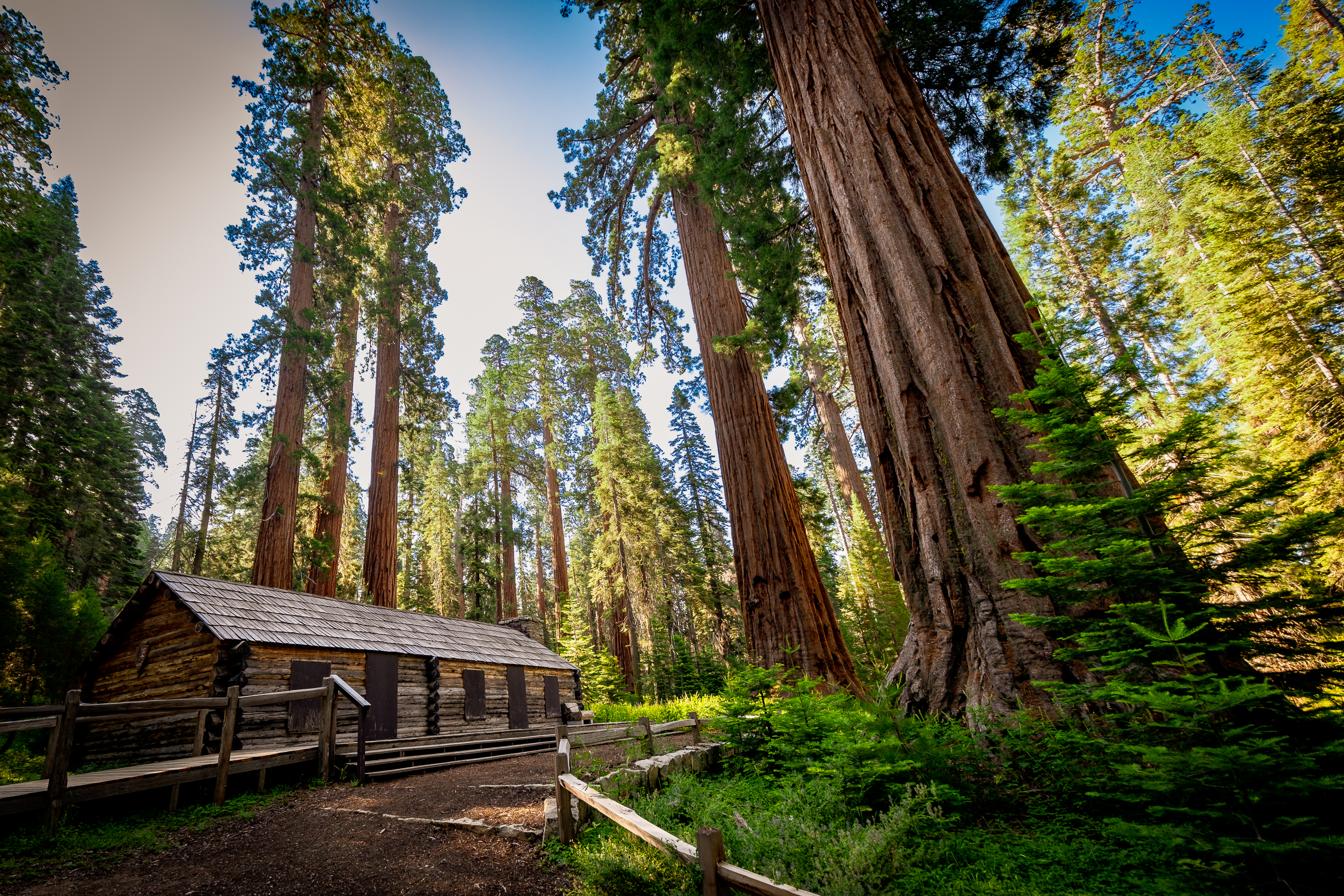
During a storm in June 1864, Dr. Henry Bellows and his party stumbled into a one-room cabin tucked among the giant sequoias of Yosemite's Upper Grove. The shelter belonged to Galen Clark, the self-appointed guardian of the grove, and Bellows was so grateful for its protection that he christened it "Galen's Hospice." The name stuck. What Bellows could not have known was that the modest cabin would outlast him - not as a single structure, but as an idea. Rebuilt three times on the same site, the little building that Clark threw together from available timber has endured as long as the grove itself has been protected, evolving from frontier outpost to museum without ever quite leaving its original purpose behind: welcoming visitors to a place that demands explanation.
The Guardian's Outpost
Galen Clark built the original cabin in May 1864, shortly after being appointed the first guardian of the Yosemite Valley and Mariposa Big Tree Grant. He needed a base of operations among the sequoias - somewhere to sleep, to store supplies, and to greet the tourists who were beginning to arrive in numbers that surprised everyone. The cabin served as office, information center, and impromptu shelter for anyone caught by Sierra weather. Clark guided visitors through the grove from this spot, explaining the trees with a mix of scientific observation and personal wonder that made him legendary among early Yosemite travelers. Photographers found the cabin irresistible. Carleton Watkins and others captured it dwarfed by the surrounding trunks, and the images became staples of promotional materials advertising Yosemite to Eastern audiences. The cabin was small; the trees were not. That contrast told the whole story.
Three Lives on One Foundation
The original structure deteriorated, as wood structures do in the Sierra Nevada's cycle of heavy snow and summer heat. It was rebuilt, deteriorated again, and was rebuilt once more. In 1930, the National Park Service constructed the current building - a one-story log structure measuring 20 by 45 feet, divided into two rooms. The architects used peeled sugar pine logs, laid in alternating tiers and interlocked at the corners with V-notch joints. Split-log wedges fill the gaps between logs, and a low-pitched gable roof covered in wood shingles keeps out the snow. A plank deck runs along the southwest side. The style blends Rustic architecture with minor Art Deco touches, reflecting the Park Service's evolving design philosophy in the early 1930s. It is not a replica of Clark's original. It is something more interesting: a building that acknowledges its predecessor without pretending to be it.
What the Museum Holds
The Mariposa Grove Museum, as the cabin became known, houses exhibits that trace the grove's history from Clark's discovery in 1857 through the modern era of fire management and ecological restoration. Historic photographs line the walls - Clark's cabin surrounded by sequoias, cavalrymen on patrol during the Army's stewardship of the park, automobiles parked among trees that were already old when Columbus sailed. The museum sits near the General Grant and General Sheridan trees, positioned so that visitors stepping outside are immediately reminded of the scale they have been reading about. In 1978, the cabin was listed on the National Register of Historic Places, a recognition that the building's significance extends beyond its contents. It represents the earliest permanent human footprint in the grove, the point where protection began.
Lessons Burned Into the Landscape
One of the museum's most consequential connections is to the work of researcher Richard Hartesveldt, whose studies in Mariposa Grove revealed how decades of fire suppression had transformed the forest. Hartesveldt compared historic photographs - many originally taken near the cabin - with the living grove and found dramatic changes. Shade-tolerant white firs had proliferated in the absence of fire, creating dangerous fuel buildup that threatened the very sequoias the suppression policy was meant to protect. Young sequoia saplings, which need fire-cleared soil to germinate, had all but vanished. Hartesveldt's findings led forest managers to reintroduce controlled burns in giant sequoia groves, reversing a longstanding policy of fire exclusion. The cabin that Clark built to welcome visitors had, in a roundabout way, helped save the trees it was built among.
Still Welcoming
Today, the cabin sits in a grove that has been restored to something closer to Clark's experience. The four-year restoration project that closed Mariposa Grove from 2015 to 2018 removed asphalt roads, eliminated private car access, and restored natural water flows. Visitors arrive by shuttle and walk among the sequoias on realigned trails. The museum remains, smaller than anything modern design would produce but perfectly scaled to its purpose. It does not compete with the trees. It explains them - and then sends visitors outside to stand beneath trunks that make the cabin's 45-foot length feel like a footnote. Galen Clark would recognize the arrangement, if not the building. A shelter among the giants, a place to pause and learn before walking deeper into the grove. The hospice endures.
From the Air
Located at 37.51°N, 119.60°W in the Mariposa Grove area of southern Yosemite National Park. The museum cabin is not individually visible from altitude but sits within the distinctive old-growth sequoia stand on the western Sierra Nevada slope. Nearest airport: Mariposa-Yosemite Airport (MPI), approximately 30 nm northwest. Fresno Yosemite International (KFAT) lies about 50 nm south-southwest. Recommended viewing altitude: 5,000-8,000 ft AGL. Terrain is mountainous; be aware of Sierra ridgelines and summer afternoon convective buildup.