Mataquescuintla: The Town That Made a President
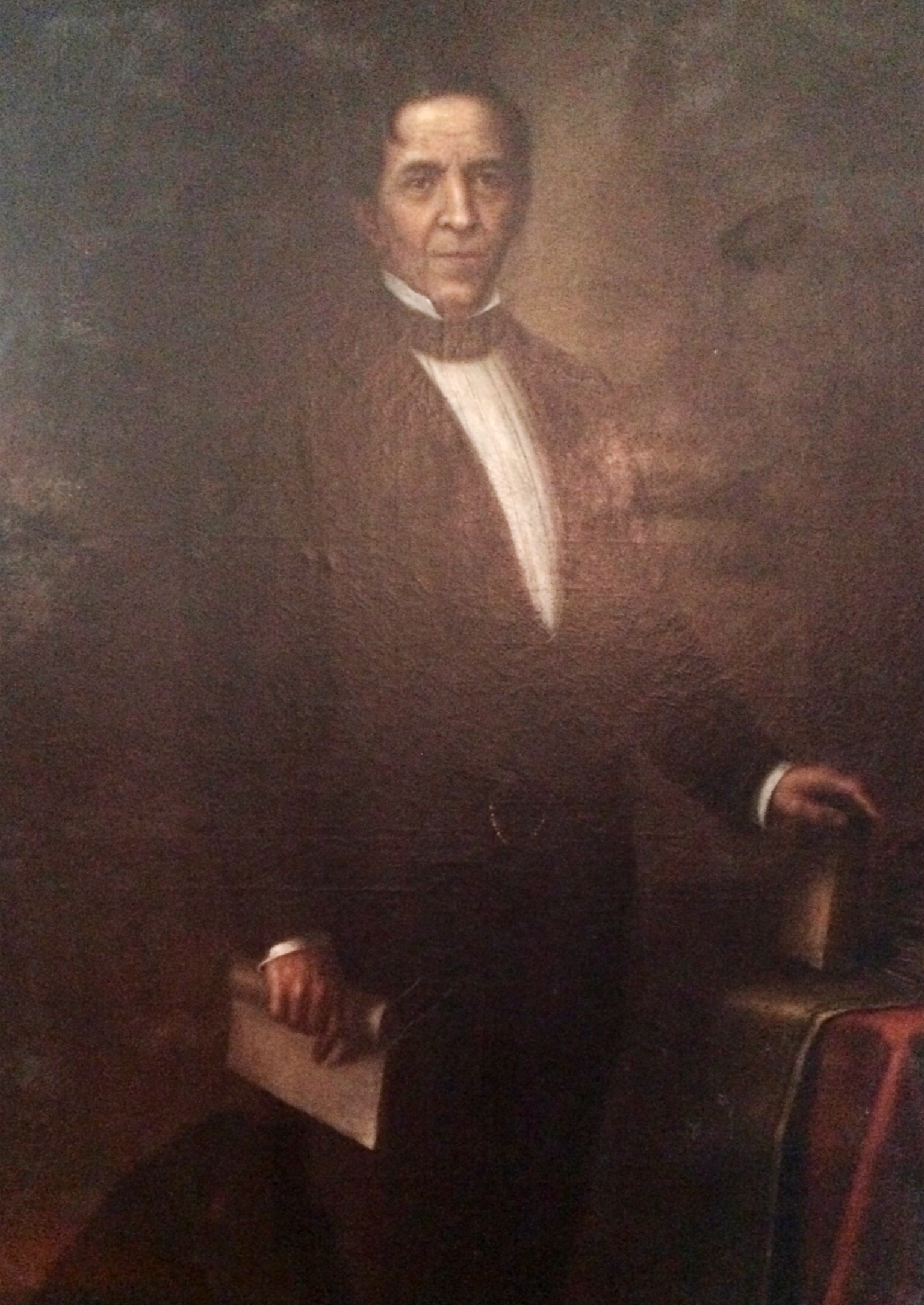
The name translates to "net to catch dogs" -- assembled from the Nahuatl words matatl, Itzcuintli, and tlan. But the real catch Mataquescuintla made was a man. From this small town in the Jalapa highlands of southeastern Guatemala, Rafael Carrera launched the peasant revolution that would dismantle the Federal Republic of Central America, overthrow the liberal government of Mariano Galvez, and install Carrera himself as the first mestizo ruler in Latin American history. The parish priest of Mataquescuintla had educated the young Carrera in Catholicism. The barracks of Mataquescuintla became the staging ground for his guerrilla campaign. And when the liberal government tried to crush the rebellion, it was Mataquescuintla they invaded -- and Carrera's wife they seized, setting off a chain of vengeance that reshaped a nation.
A Letter from the Virgin Mary
The rebellion that erupted in 1837 wore the face of a holy war. Parish priests from the secular clergy urged peasants to defend their religious rights against liberal atheists who had given concessions to English Protestants -- whom the clergy called "heretics." The English had received Belize and the profitable Dominican property at San Jeronimo in Salama, and contraband English goods from Belize were impoverishing Guatemalan artisans. The priests needed a leader the indigenous and mestizo peasants would follow. They found one in Carrera, and devised ways to convince the people he was divinely chosen. During a vast congregation in one of the local churches, a letter was thrown from the roof. It had supposedly been written by the Virgin Mary herself, commissioning Carrera to lead the revolt against the government. The manipulation worked. Carrera's forces grew, drawing from indigenous communities, mestizo peasants, and ruined artisans alike.
Petrona's Revenge
When the government of Mariano Galvez learned that Carrera was leading the insurgency, troops invaded Mataquescuintla and captured his wife, Petrona Alvarez. The soldiers seized her by force. When word reached Carrera, he swore vengeance, and when Petrona was returned to him, she joined the campaign with a fury that alarmed even Carrera's own followers. She committed such fierce acts against liberal troops that many of Carrera's coreligionists feared her more than the caudillo himself. Meanwhile, Galvez had made matters worse by endorsing a scorched earth policy against the uprising communities, burning villages and crops. His own supporters warned him the tactic would only deepen hostility, but Galvez pressed on. By early 1838, even the liberal leader Jose Francisco Barrundia had turned against Galvez, helping to bring Guatemala City under Carrera's influence. On January 31, 1838, Galvez left power. Carrera entered the capital with an army of ten to twelve thousand, mostly poorly armed peasants who shouted "Long live religion!" and "Away with foreign heretics!" as they poured through the streets.
From Swineherd to Founder of a Republic
Carrera's troops pillaged liberal government buildings, including the Archbishop's Palace where Galvez had resided and the house of the English merchant William Hall. After a period of instability and some further military setbacks, Carrera consolidated power and would go on to rule Guatemala from 1840 until his death in 1865. On March 21, 1847, he declared the Republic of Guatemala, severing it from the defunct Federal Republic of Central America so the country could trade freely with foreign nations. Mataquescuintla, the town where it had all begun, was incorporated into the newly created Santa Rosa department. Through all of this, Carrera remained what he had always been: an uneducated man from the provinces who understood the rural poor because he was one of them. He governed with the support of mestizo and indigenous peasants, the Catholic Church, and conservative elites -- a coalition that held together for a quarter century.
Written Out of History
After the Liberal Revolution of 1871 swept the conservatives from power, liberal historians set about dismantling Carrera's legacy. Writers like Lorenzo Montufar y Rivera and Jose Maria Bonilla recast his era as a period of backwardness, and Mataquescuintla's role in founding the republic was quietly set aside. The town continued to witness political violence: in 1889, Colonel Hipolito Ruano led an uprising against President Manuel Lisandro Barillas from Mataquescuintla, but the government crushed it swiftly. Ruano was captured and shot in the town square. In 1935, the town was transferred from the department of Santa Rosa to Jalapa, an administrative reshuffling that further distanced it from the revolutionary history it had helped create. Today Mataquescuintla sits in Guatemala's southeastern highlands near the Ayarza Lagoon and an abandoned bismuth mine, covering 262 square kilometers of terrain with a subtropical highland climate. The Pipil people, who came from the province of El Salvador, were its earliest known settlers. But the story that clings to this place is Carrera's -- the parish-educated peasant who rode out of these hills and changed a continent.
From the Air
Located at 14.53N, 90.18W in the Jalapa department of southeastern Guatemala, at highland elevation with a subtropical highland (Cwb) climate. The town sits among rolling hills and agricultural land, north of San Rafael Las Flores and near Ayarza Lagoon, which is visible from altitude as a circular crater lake. Nearest major airport: La Aurora International Airport (MGGT) in Guatemala City, approximately 75 km to the west. Best viewed at 4,000-6,000 feet AGL. The surrounding landscape is a patchwork of small farms and forested highlands.