Jennys in Crates, Bombers on Alert
The Curtiss JN-4 Jennys arrived in wooden crates, shipped by rail to a flat stretch of Sacramento grassland in 1918. Flight cadets assembled the biplanes, learned to fly them in an eight-week course, and shipped out to die in the skies over France. Seventy years later, B-52 Stratofortresses sat on the same field, fully fueled and armed with nuclear weapons, four of them ready to launch within fifteen minutes of a presidential order. Between those two facts -- biplanes in boxes and hydrogen bombs on alert -- lies the entire story of Mather Air Force Base.
Named for a Twenty-Five-Year-Old
The field was named after Second Lieutenant Carl Spencer Mather, a twenty-five-year-old army pilot killed on January 30, 1918, in a mid-air collision during training at Ellington Field, Texas. He never saw combat. The base that carried his name became one of thirty-two Air Service training camps established after the United States entered World War I in April 1917. Primary flight training at Mather ran on an eight-week cycle with a maximum capacity of three hundred students. Cadets learned basic flight skills under dual and solo instruction before transferring to other bases for advanced training. When the Armistice arrived on November 11, 1918, local officials hoped the excellent Sacramento weather would keep the field open. It did not. Cadets already in training were allowed to finish, but no new ones arrived. Flight training ceased on November 8, 1919, and on May 12, 1923, the War Department shuttered the base entirely, ordering its caretakers to dismantle the remaining structures and sell them as surplus. Throughout the 1920s, the land returned to farmers and ranchers.
Cold War Sentinels
Mather's second life dwarfed its first. On April 1, 1958, Strategic Air Command assigned the 4134th Strategic Wing to the base, bringing B-52 Stratofortresses and KC-135A Stratotanker refueling aircraft to Sacramento's eastern edge. The logic was dispersal: SAC spread its nuclear bombers across as many bases as possible to ensure the Soviet Union could not destroy the entire fleet in a surprise first strike. Mather's wing kept fifteen B-52s, with four maintained on fifteen-minute alert -- engines cold but crews dressed, routes planned, weapons armed. The 320th Bombardment Wing succeeded the 4134th in 1963 and operated at Mather until 1989, flying first the B-52F and then the B-52G. Beyond nuclear deterrence, the 320th conducted conventional maritime missions in support of the U.S. Navy, deploying aerial mines and AGM-84 Harpoon anti-ship missiles. For three decades, Sacramento lived alongside one of the most concentrated expressions of American nuclear power, its residents commuting past a runway where the apocalypse waited on standby.
The Navigator's School
While SAC's bombers dominated the headlines, Mather's longest continuous mission was quieter: training the people who told pilots where to go. From 1946 until the base closed in 1993, Mather operated a navigation school under various names -- the USAF Bombardier School, the Aircraft Observer's School, and finally the USAF Navigator School. For forty-seven years, navigators learned celestial observation, dead reckoning, and electronic fixes in the Sacramento Valley's clear skies. The 3535th Navigator Training Wing ran the program from 1948 to 1963, and the 323d Flying Training Wing carried it forward from 1973 through closure. Generations of Air Force navigators passed through Mather, learning the art that would guide them over oceans, deserts, and polar ice. By the time GPS satellites rendered their craft largely obsolete, thousands had earned their wings on this patch of California grassland.
Closure and Contamination
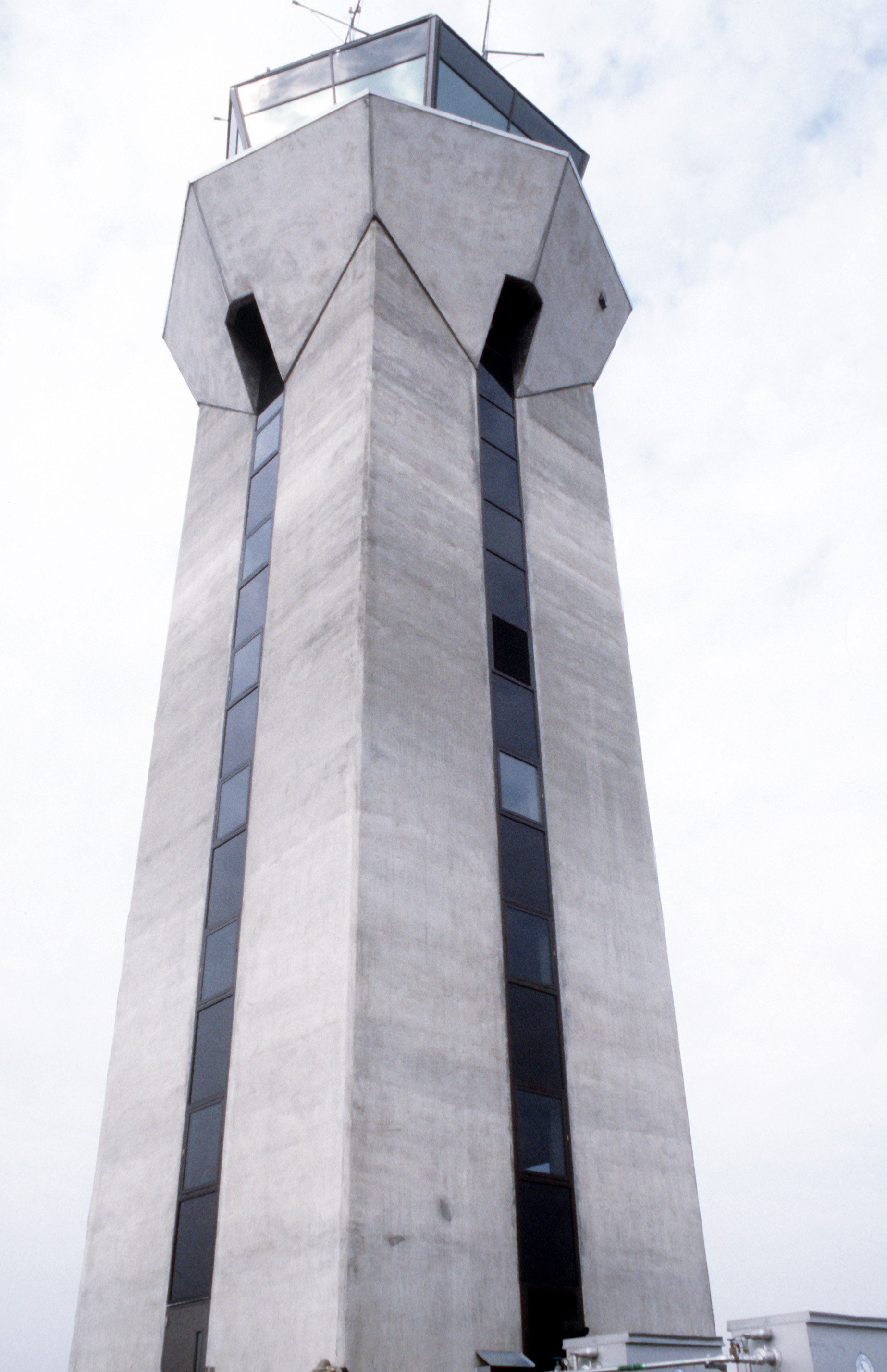
Parts of the airfield appeared on the National Priorities List as a Superfund site on July 22, 1987, and the entire base was listed on November 21, 1989 -- four years before it even closed. On September 30, 1993, the 5,845 acres of Mather AFB were decommissioned under the 1988 Base Realignment and Closure Commission. The Cold War was over, and the calculus that had justified nuclear bombers on Sacramento's doorstep no longer held. Most of the land transferred to Sacramento County. What emerged from the transfer was a patchwork of reinvention: Sacramento Mather Airport opened in 1995, alongside Mather Regional Park, a Veterans Administration Medical Center, and the FAA's Northern California radar approach control facility. Part of the land was absorbed into the City of Rancho Cordova when it incorporated in 2003. The 149th Intelligence Squadron of the 195th Wing, Air National Guard, maintains the last uniformed presence on the former airfield.
Where the Vernal Pools Outlasted the Bombers
Perhaps the strangest legacy of Mather Air Force Base is botanical. The grasslands that surrounded the runways harbor rare vernal pools -- seasonal wetlands unique to California that fill with winter rains and dry to cracked earth by summer. These ephemeral ponds support species found almost nowhere else: Ahart's Dwarf Rush, Boggs Lake hedgehyssop, the rare Legenere limosa, Yellow Mariposa Lily, and the Vernal Pool Buttercup. The ecological community that predated the base -- native grasses, forbs, and the arthropods and mammals that depend on them -- persisted through decades of military operations, jet exhaust, and nuclear alert. The vernal pools do not care about base closures or BRAC commissions. They fill when the rains come and vanish when they stop, as they have for millennia. That they survived at all, thriving in the shadow of B-52s, is a quiet rebuke to the notion that military and natural landscapes cannot coexist.
From the Air
Located at 38.554N, 121.298W, 12 miles east of downtown Sacramento on the south side of US Route 50. The former military runway is now Sacramento Mather Airport (KMHR). Sacramento Executive Airport (KSAC) lies approximately 10nm west-southwest; Sacramento International (KSMF) is 18nm northwest. The long east-west runway and surrounding grid of taxiways remain clearly visible from altitude. Beale AFB (KBAB) is approximately 30nm north-northeast. The flat Sacramento Valley terrain makes the airfield easy to spot from 5,000 feet AGL or above.