The Max Headroom Broadcast Intrusion: TV's Creepiest Unsolved Mystery
On the night of November 22, 1987, someone hijacked two Chicago television stations. First, during the WGN-TV evening news, the broadcast was briefly replaced by a figure in a Max Headroom mask against a spinning corrugated metal backdrop. No audio. The intrusion lasted 30 seconds. Two hours later, the same figure appeared during a Doctor Who broadcast on WTTW, this time with audio - bizarre, disturbing audio. For 90 seconds, the masked figure ranted, moaned, hummed jingles, and was spanked with a flyswatter by an unidentified accomplice. Then the regular broadcast resumed. The perpetrators were never identified. The Max Headroom intrusion remains one of television's strangest unsolved crimes.
The First Intrusion
At 9:14 PM on November 22, 1987, WGN-TV sports anchor Dan Roan was delivering highlights when his image suddenly dissolved into static. In its place appeared a figure in a Max Headroom mask - a reference to the popular 1980s AI character with sunglasses and a fiberglass head. Behind the figure was a spinning sheet of corrugated metal.
The intrusion lasted about 30 seconds. There was no audio - only buzzing. WGN engineers quickly switched transmission to their backup link. Roan, unaware of what had happened, continued his broadcast. The station apologized and continued their programming. Police were notified. And two hours later, it happened again.
The Second Intrusion
At 11:15 PM, PBS affiliate WTTW was broadcasting Doctor Who when the screen went to black, then revealed the same figure against the same backdrop. But this time, there was audio - and it was deeply strange.
The masked figure spoke in a distorted voice, muttering phrases and humming. He held up a Pepsi can and said, 'Catch the wave' - a Coca-Cola slogan. He threw the can, held up a glove, referenced the WGN sportscaster, and said 'They're coming to get me.' Then his pants came down, and an unidentified person spanked him with a flyswatter while he moaned. After 90 seconds, Doctor Who resumed. WTTW engineers could not stop the intrusion.
The Method
Signal intrusion - hijacking a broadcast - was extraordinarily difficult in 1987. It required specialized equipment, technical knowledge, and perfect timing. The intruders would have needed a high-powered transmitter positioned higher than the stations' receiving antennas, and they would have needed to know the exact frequencies.
WGN used a microwave link that could be overwhelmed with sufficient power. WTTW used the same technology. The intruders apparently positioned themselves somewhere between the stations and their transmission towers - possibly on a tall building. They would have needed professional-grade equipment worth thousands of dollars.
The Investigation
The FCC investigated the intrusion as a federal crime. Signal hijacking was (and is) illegal, punishable by up to $100,000 in fines and a year in prison. But they never identified the perpetrators.
The investigation chased several leads. The bizarre references in the audio were analyzed for clues. The specific technical knowledge required suggested insiders or electronics hobbyists. Over the years, various suspects have been proposed on internet forums, but none have been confirmed. The Max Headroom intruder remains unidentified.
The Legacy
The Max Headroom intrusion became a cultural phenomenon - one of the first viral videos before the internet made such things common. The footage has been viewed millions of times. It has been analyzed, parodied, and referenced in countless contexts.
The intrusion remains disturbing in ways that are hard to articulate. The combination of the creepy mask, the bizarre audio, and the knowledge that someone went to extraordinary lengths to broadcast something so strange creates a unique unease. What was the point? Was it performance art? A prank? A statement? The perpetrators know. They've never said. The Max Headroom intrusion remains one of television's most mysterious unsolved crimes - 90 seconds of chaos that no one can explain.
From the Air
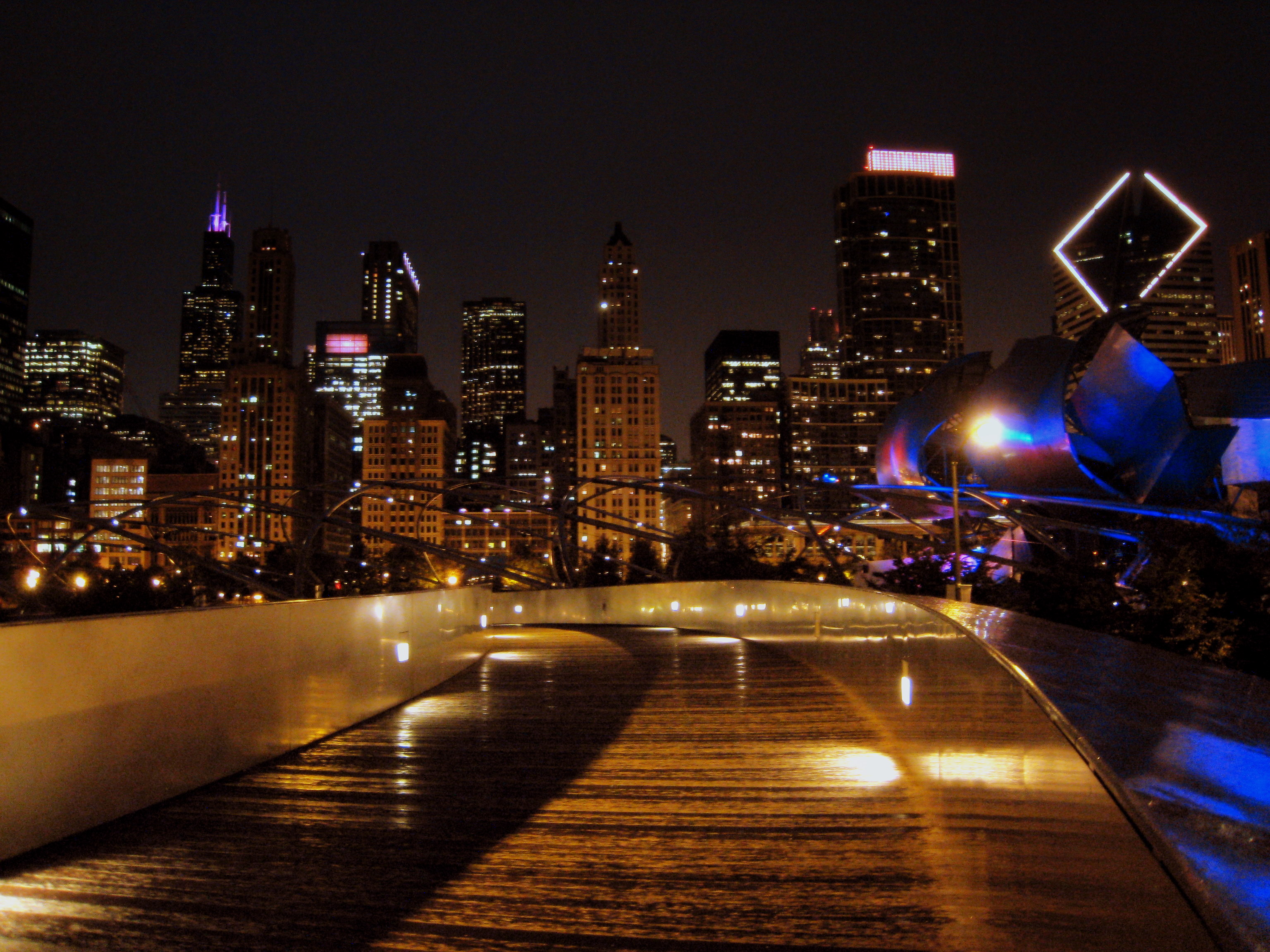
The Max Headroom intrusions occurred on Chicago-area broadcasts. Chicago O'Hare International (KORD) is the primary airport, 25km northwest of downtown. The intruders were never located but were presumably somewhere in the Chicago metropolitan area with line-of-sight to the stations' transmission equipment. The Sears Tower (now Willis Tower) and John Hancock Center dominate the Chicago skyline.