Mazatlan
The name gives it away in Nahuatl: place of deer. But the white-tailed deer that once roamed these coastal hills have long since yielded the stage to three million carnival-goers, fishing fleets hauling in marlins the size of canoes, and the steady bass thump of banda sinaloense echoing off colonial facades. Mazatlan sits on the Pacific coast of Sinaloa, directly across from the tip of the Baja California peninsula, and it has spent nearly five centuries refusing to be just one thing. Port city, beach resort, fishing village, cultural capital -- it cycles through identities the way the tide cycles through its estuaries.
Conquest, Commerce, and a German Accent
Colonized in 1531, Mazatlan grew slowly around its harbor. The indigenous Totorames had fished these waters and farmed the coastal lowlands for generations before Spanish arrival, and the Xiximes inhabited the mountains in neighboring Durango. For three centuries the settlement remained a quiet colonial outpost. Then, in the mid-1800s, a wave of German immigrants arrived, drawn by commercial opportunity, and transformed Mazatlan into one of Mexico's most important commercial seaports. The brewery they established, Pacifico, still bears their legacy in every amber bottle. By the Porfiriato era, the city had become a shipping hub for precious metals flowing out of the Sierra Madre mines, and equipment flowing in. French, Chinese, Italian, Spanish, and American settlers followed the Germans, each leaving their mark on the architecture and cuisine of the growing city.
The Lighthouse on the Hill
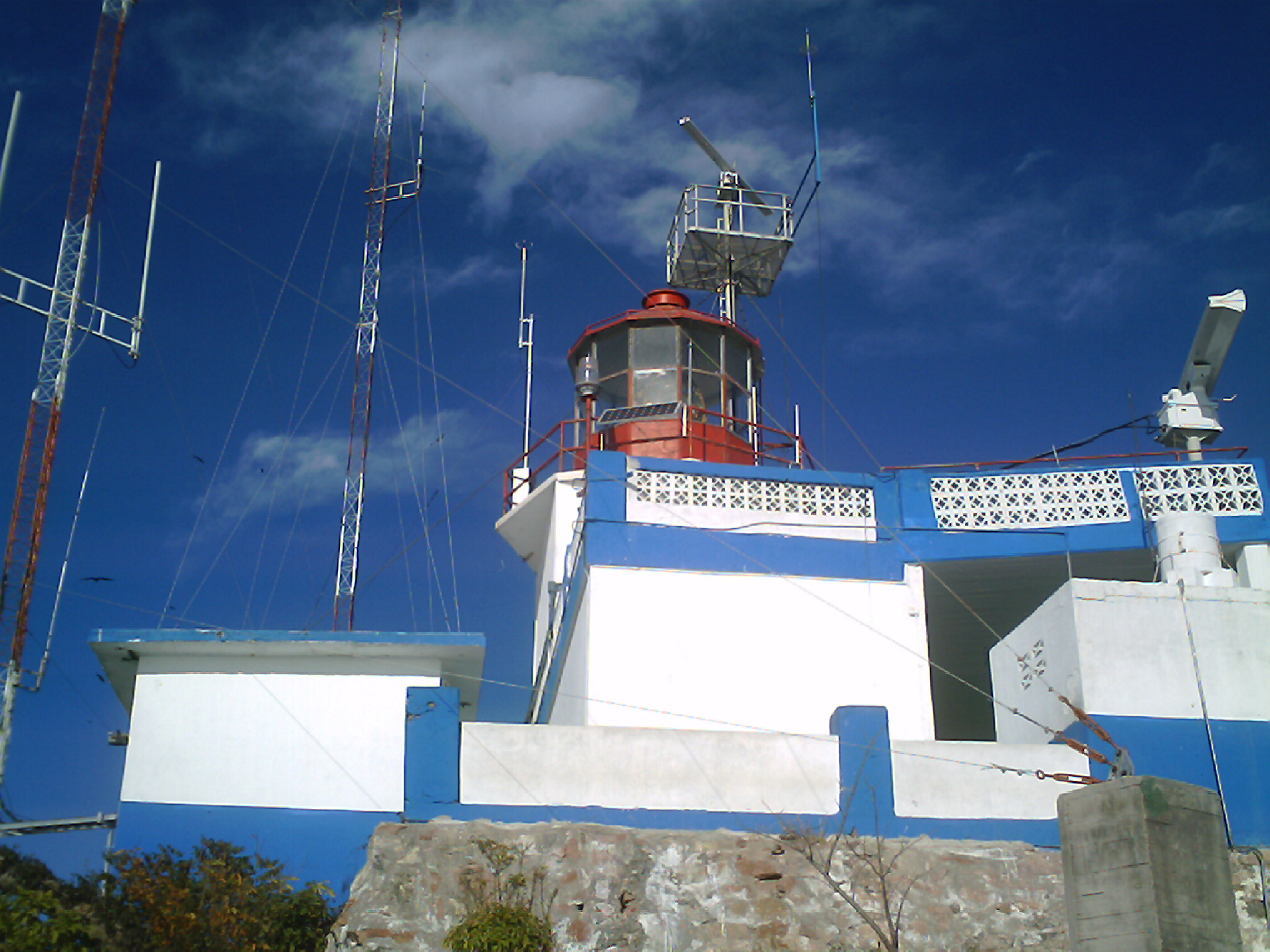
At the southern tip of Mazatlan's peninsula, Cerro del Creston rises 157 meters above sea level. The hill was once an island, separated from the mainland by shallow channels that gradually silted in. In 1879, a lighthouse began operating at its summit, its maritime signals manufactured in Paris -- a large oil lamp with mirrors and a Fresnel lens to focus the beam. From a distance, the steady glow was often mistaken for a star. By 1905 the original lamp was replaced, but the lighthouse continues to guide vessels into port. The climb to the top is a rite of passage for visitors: a steep, winding path that rewards with a panoramic sweep of the Pacific, the harbor, and the city stretching northward along its famous malecon.
Carnival, Cultura, and Aguachile
Every year, Mazatlan's International Carnival fills the Avenida del Mar with more than 600,000 people for a single Sunday parade. The tradition stretches back over a century, and the sheer scale of the procession -- three hours of floats, music, and dance along the coast road -- makes it one of Mexico's largest. But the city's cultural life extends well beyond the parade. The Angela Peralta Theater, a nineteenth-century jewel named for the Mexican opera soprano, anchors the restored historic center. The Jose Limon International Dance Festival draws performers each spring. And in the kitchens, Mazatlan's identity speaks through seafood: ceviches, aguachile made with raw shrimp and chili-spiked lime juice, zarandeado fish grilled over mangrove wood, and the governor tacos that locals claim were invented here.
Where Mountains Meet the Sea
The Durango-Mazatlan highway, completed in stages and crowned by the Baluarte Bridge, slashed the journey between the Sierra Madre highland city of Durango and the Pacific coast from eight hours to two and a half. The road threads through 63 tunnels and crosses 115 bridges in its 230-kilometer run through some of Mexico's most rugged terrain. For Mazatlan, this connection transformed the city's economic geography, linking the port directly to the interior in a way that echoed the mule trails and silver routes of the colonial era. The city also served as the first point of totality during the April 8, 2024 solar eclipse -- a celestial event that drew thousands of viewers to its beaches and confirmed what the Totorames likely knew centuries ago: few vantage points on Mexico's Pacific coast match this one.
Modern Currents
Pedro Infante, one of Mexico's most beloved actors and singers during the golden age of Mexican cinema, called Mazatlan home. John Wayne, Gary Cooper, and John Huston knew it as a sportfishing paradise, frequenting the hotels along Olas Altas before jet travel opened Puerto Vallarta and Cancun to mass tourism. That era left behind a certain rough charm that the city has worked to preserve even as development pushes northward along the Zona Dorada. Today Mazatlan balances its identities with the confidence of a place that has weathered pirate raids, foreign occupations, revolution, and the fickle tides of tourism. The deer may be gone from the hillsides, but the name endures -- and with it, a city that remains stubbornly, vividly itself.
From the Air
Mazatlan sits at 23.24N, 106.41W on the Pacific coast of Sinaloa. The city's peninsula and Cerro del Creston lighthouse are prominent visual landmarks from altitude. General Rafael Buelna International Airport (ICAO: MMMZ) lies 18 km southeast of the city center. The long malecon and harbor breakwater are easily identified from above. Best viewed at 3,000-5,000 ft AGL for the coastal panorama. The Tres Islas (Deer Island, Bird Island, Wolf Island) offshore are distinctive navigation references.