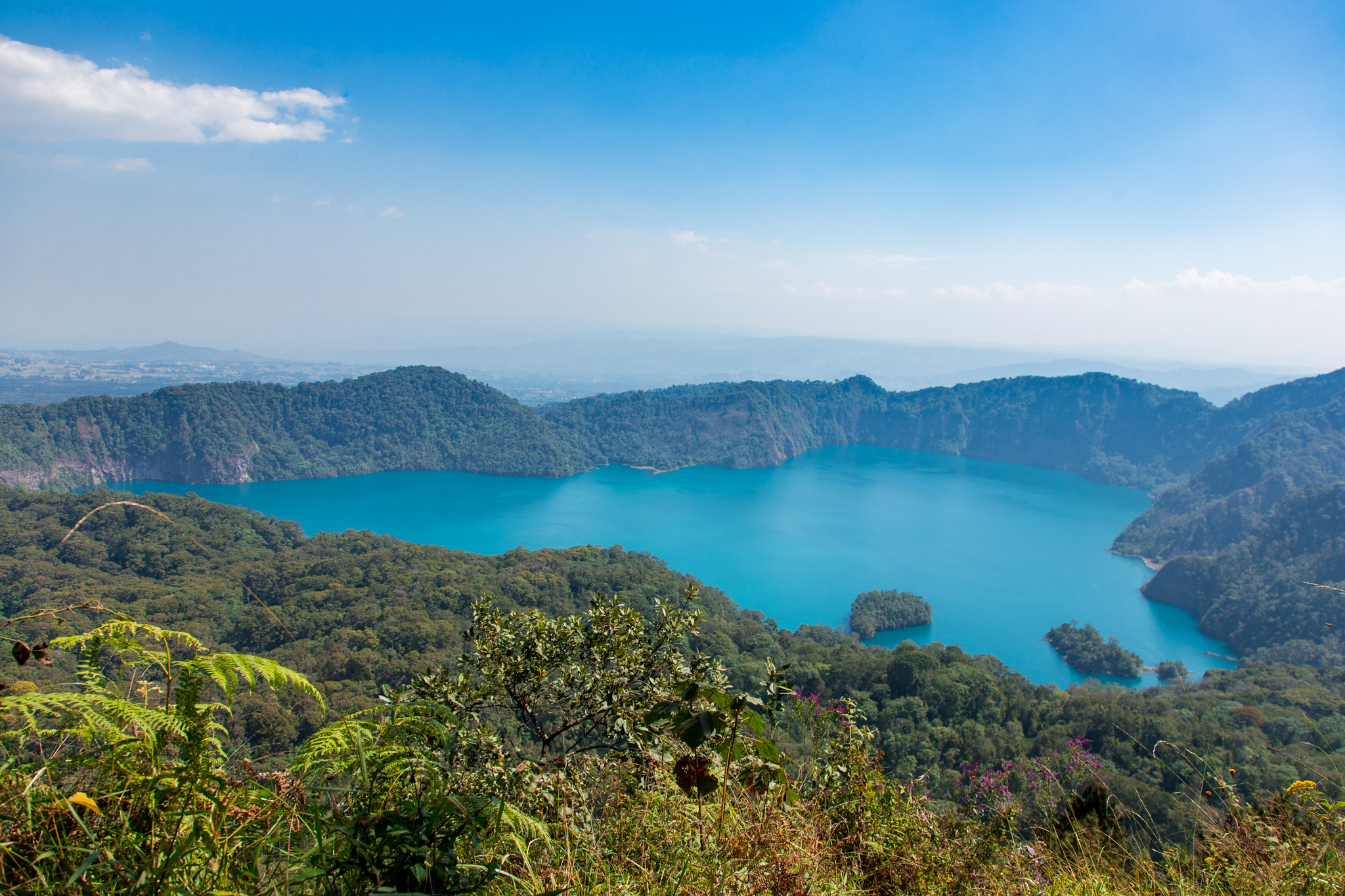
Mbeya
The TAZARA express pulls into Mbeya twice a week, twenty-four hours out of Dar es Salaam and twenty-four more from Kapiri Mposhi in Zambia. It is one of the last great African rail journeys, and Mbeya is its midpoint -- a highland city at 1,700 metres where the tracks, the roads, and three nations converge. Southwestern Tanzania does not appear on most tourist itineraries. There are no Serengeti herds here, no Zanzibar beaches. What Mbeya offers instead is the texture of a working African city: dalla-dallas packed tight on red-dust roads, banana stew at the Continental Hotel, and the volcanic peaks of Loleza and Mbeya rising above it all like sentinels guarding the corridor between countries.
Where Three Borders Meet
Mbeya exists because geography demanded a crossroads. Sit at the city's centre and you are roughly equidistant from two international borders: Kyela to the south, where the Songwe River marks the boundary with Malawi, and Tunduma to the southwest, the gateway into Zambia. Dalla-dallas and coaster buses make both runs in about three hours. The transit traffic has shaped the city's character -- it is a place of arrivals and departures, of travellers sorting out onward connections, of guesthouses clustered near the bus station for those catching the early morning departure. The Nane-nane bus station sits ten kilometres from the centre, a reminder that in Tanzania, distances between a city and its transport hubs are measured generously.
Iron Rails Through the Highlands
The TAZARA Line -- the Tanzania-Zambia Railway -- is Mbeya's most dramatic connection to the wider world. Built with Chinese assistance in the 1970s, the railway stretches 1,860 kilometres from Dar es Salaam to Kapiri Mposhi in Zambia's Copperbelt. Two express trains per week make the full run; a third regular service connects Mbeya to Dar. The station lies about four kilometres south of the city centre, far enough that a taxi is the practical choice. For those travelling overland through East and Southern Africa, the TAZARA is more than transport. It is a corridor through landscapes that no highway quite matches -- the Selous plains giving way to the Great Rift Valley's escarpments, then climbing into Mbeya's cool highlands before descending again toward Zambia.
Peaks Above the City
Two volcanic peaks bracket Mbeya: Loleza at 2,656 metres and Mbeya Peak at 2,820 metres. Both are hikeable in a single day, though a guide is strongly recommended -- not just for navigation, but for the local knowledge that turns a walk into a story. Guides can be arranged through hotels or travel agencies in town. The climbs are not technical, but the altitude demands respect, and the views from above reveal why Mbeya sits where it does: a natural saddle in the highlands, with valleys fanning out toward every compass point. Below the peaks, the city's market streets wind through clusters of small shops. At Mwenjelwa, the shopping centres back onto weaving alleys where vendors sell everything from phone credit to cooking oil.
Banana Stew and Neighbourhood Bars
Mbeya's social life unfolds in its neighbourhood bars and open-air restaurants. At the Continental Hotel, a bowl of mtori -- the thick banana stew that is southwestern Tanzania's comfort food -- arrives with chapati on the side, and regulars claim there is no better cure for what the previous evening inflicted. The Sae neighbourhood, a dalla-dalla ride from the centre, holds a string of gathering places: Weru Spring Garden with its hidden outdoor seating, Mama 2000 with its bandas and pool tables, Babu Kubwas where you sit outside and watch the city pass by. Each has its own rhythm and crowd. Peace of Mind, small and quiet, is the kind of place where the food takes its time because care is being taken with it. In a city defined by transit, these are the spots where people stay.
The Road Onward
Mbeya's real gift may be what lies beyond it. To the southeast, a four-hour bus ride reaches Iringa, the highland district capital and a base for exploring the Southern Highlands along the Tanzam road. To the northwest, Sumbawanga opens the route toward Mpanda and Kigoma on the shores of Lake Tanganyika. And to the south, past Kyela and across the Songwe River bridge, Malawi begins -- Lake Nyasa stretching out from the border like an inland sea. Travellers who have been through warn about ticket scams at the bus station: there are no direct buses from Mbeya into Malawi, only to the border town of Kyela, whatever a tout's price sheet may claim. The honest advice is the same advice that works everywhere: ask other passengers, not the driver, where the bus is actually going.
From the Air
Located at 8.90S, 33.45E at approximately 1,700 metres elevation in southwestern Tanzania's highlands. From the air, the city sits in a valley between Loleza Peak (2,656 m) and Mbeya Peak (2,820 m), both visible as prominent features. The TAZARA railway line is traceable cutting through the landscape from northeast to southwest. Nearest significant airport is Songwe Airport (HTGW), approximately 25 km southwest of the city. Lake Nyasa (Lake Malawi) is visible to the south, and the Zambian border lies to the southwest near Tunduma.