Medina of Sousse
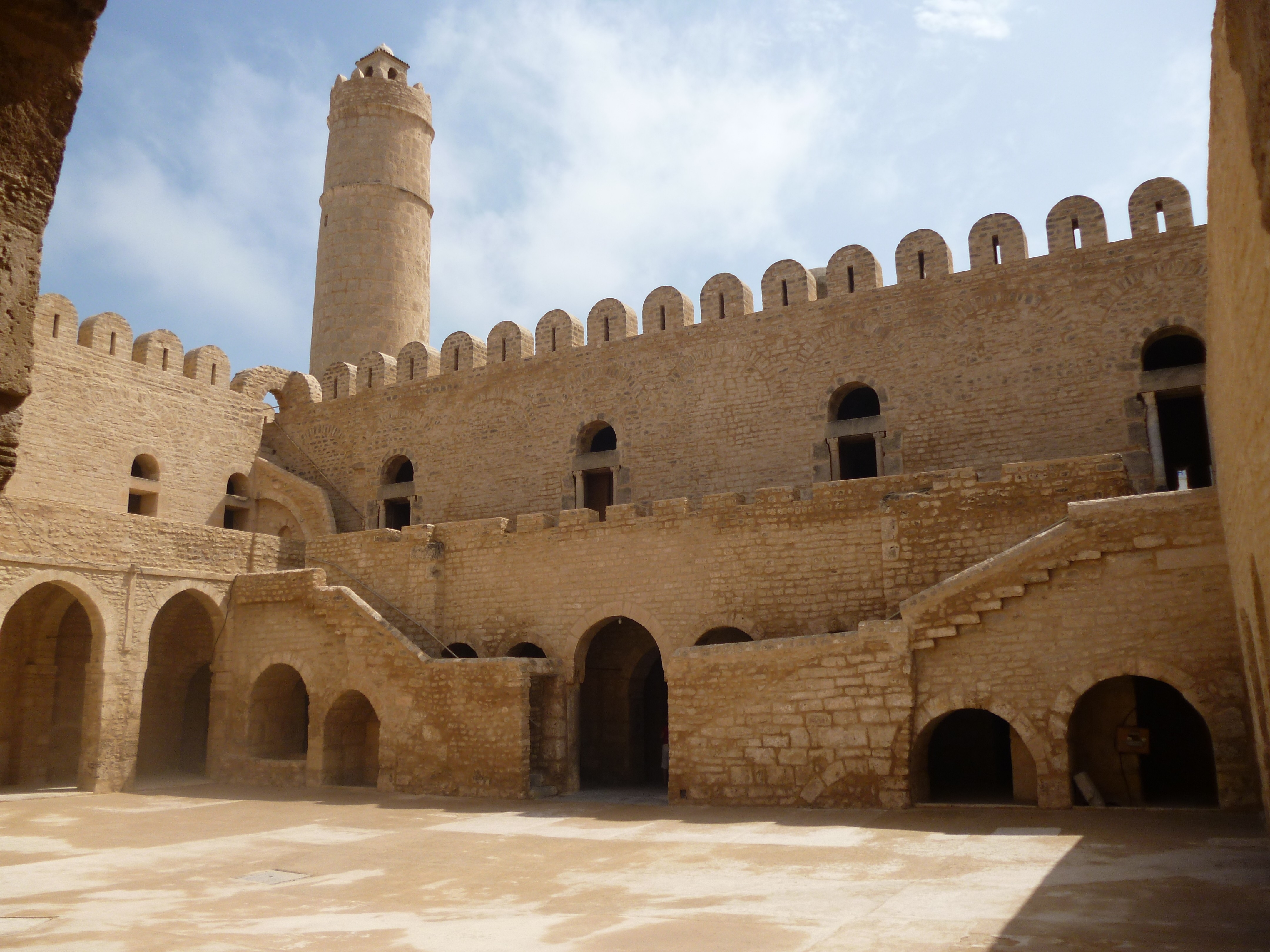
Walk through the gates of the Medina of Sousse and you enter a city designed to be defended. The walls are thick. The towers are positioned for overlapping fields of fire. The Great Mosque has no minaret because it doubled as a lookout post, and the ribat at its edge was built to repel attacks from the sea. This was architecture born of necessity: the early Muslim rulers of the Tunisian coast faced piracy, Byzantine naval raids, and the constant threat of being pushed back into the desert they had crossed to get here.
Dawn of the Maghreb
The Medina of Sousse dates to the earliest period of Islamic civilization in North Africa, built in the decades following the Arab conquest of the region. UNESCO recognized it as a World Heritage Site in 1988, citing it as a typical and exceptionally well-preserved example of architecture from the first centuries of Islam in the Maghreb. The constructions within its walls witnessed the dawn of post-conquest civilization, when the Aghlabid dynasty ruled on behalf of the distant Abbasid caliphs in Baghdad. The Aghlabid architectural style was military and coastal, meant to be stout and imposing, designed to ward off enemies approaching by sea. Nothing about this medina was decorative for decoration's sake.
Fortress Within a Fortress
The medina encompasses a kasbah, extensive fortifications, the Great Mosque of Sousse, and the Ribat of Sousse, each element reinforcing the others into a layered defensive system. The walls are punctuated by towers that provided both surveillance and firing positions. Gates controlled access and could be sealed during attacks. The ribat, positioned at the medina's edge facing the Mediterranean, served as both military garrison and religious retreat, its warriors combining prayer with coastal defense. Between the ribat and the Great Mosque, archaeologists in the nineteenth and twentieth centuries discovered Punic steles, carved stone markers from the Carthaginian era, proving that this ground had been considered sacred and strategic long before Islam arrived.
The Museum in the Kasbah
Today the medina's kasbah houses the Sousse Archaeological Museum, which contains the second largest collection of mosaics in the world after the Bardo National Museum in Tunis. The mosaics span centuries and civilizations: Roman depictions of Neptune and Medusa, Nilotic landscapes of the Nile valley, and early Christian imagery including a marble tablet of the Good Shepherd from Sousse's own Roman-era catacombs. Punic votive stelae from as early as the seventh century BC share space with Byzantine baptismal fonts. The collection is a compressed history of every people who ever controlled this coastline, displayed in the fortress that the latest conquerors built to hold it.
The Sea Is Coming
The Medina of Sousse faces a threat that no fortification was designed to repel. As a coastal heritage site, it is vulnerable to rising sea levels. The 2022 IPCC Sixth Assessment Report listed it among African cultural sites threatened by flooding and coastal erosion. Even under the most optimistic climate scenarios, sea levels will continue rising for thousands of years. The walls that held off pirates and Byzantine fleets were built at a time when the Mediterranean's edge was a known quantity. The coastline is no longer holding still. Whether the medina can be protected through sea walls and adaptation measures, or whether the rising water will eventually claim what twelve centuries of human conflict could not, remains an open question written in the physics of a warming planet.
From the Air
Located at 35.828N, 10.639E on Tunisia's central-eastern coast. The medina is clearly visible from the air as a compact, walled quarter within the larger modern city of Sousse. The ribat and Great Mosque are prominent structures at the medina's northeastern corner. Nearest airport: Monastir Habib Bourguiba International (DTMB), approximately 20 km south. The coastline is immediately adjacent. Recommended viewing altitude: 2,000-4,000 feet AGL.