Merced Falls: The Town the River Forgot
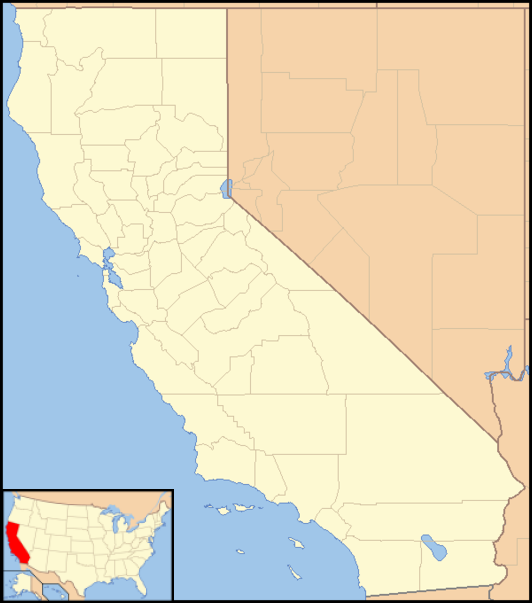
The rapids are gone now. Where the Merced River once churned white over granite ledges -- powering sawmills, drawing settlers, and giving a town its name -- the water behind McSwain Dam sits flat and quiet. Merced Falls, California, is the kind of place you drive through without realizing anything was ever here. A few structures linger among irrigated fields at 348 feet elevation, but the community that once buzzed with sawblades and locomotive whistles has largely returned to silence. The name endures on maps, a Spanish word for mercy attached to a landscape that offered little of it to the town's ambitions.
Rapids and Sawdust
In the 1890s, the rapids of Merced Falls were an engine. The rushing water powered several watermills, and a pair of sawmills cut timber for the Yosemite and Sugar Pine Lumber Company, processing logs shipped down from the Sierra Nevada. The operation depended on the Yosemite Valley Railroad, which connected the mountain forests to the Central Valley below. Lumber came down; tourists went up. By the early 1900s, Merced Falls had become a stopover for travelers heading into Yosemite Valley by rail, a place where the foothills met the flatlands and the scent of fresh-cut pine hung in the air. The town had purpose, momentum, and a reason to exist -- all of it tied to the river and the railroad.
The Line That Passed It By
The Central Pacific Railroad redrew the map of the Central Valley, and Merced Falls was on the wrong side of the new lines. When the railroad laid its north-south route through the valley, it chose alignments that favored other towns. Communities on the main line grew; those off it withered. Merced Falls belonged to the second category. Without a stop on the transcontinental corridor, the town lost its commercial logic. The tourists who had once passed through on the Yosemite Valley Railroad increasingly arrived by automobile, driving past Merced Falls on roads that led to newer, better-connected destinations. The sawmills fell silent. The stores closed. By the mid-twentieth century, the decline was irreversible.
Drowned Landmarks
The final act came in the 1960s, when McSwain Dam was built across the Merced River just upstream. The reservoir it created inundated the rapids that had defined the town -- the very falls of Merced Falls. What had been a geographic feature powerful enough to anchor a community for decades vanished beneath rising water. The dam was part of a larger system of water management on the Merced, including the much larger New Exchequer Dam upstream, all designed to serve the irrigation needs of the surrounding farmland. The rapids that once powered mills now generated no energy at all; they simply ceased to exist, submerged under a placid reservoir surface.
What Mercy Leaves Behind
Today Merced Falls is classified as an unincorporated community, a polite term for a place that no longer functions as a town. Irrigated farmland stretches in every direction, the fields green and productive in a way that belies the aridity of the California foothills. The community itself is almost abandoned -- a scattering of structures among orchards and pastures, with no commercial center, no school, no reason for a stranger to stop. Ghost town websites list it, historical markers note its existence, and the Mariposa Gazette archives preserve accounts of its busier days. Merced Falls endures as a place name, a dot on a county map, and a quiet lesson in how quickly a town's fortunes can turn when the forces that built it -- water, timber, and the iron road -- move on without looking back.
From the Air
Located at 37.52°N, 120.33°W in the Merced River valley at 348 feet elevation, where the Sierra Nevada foothills flatten into the Central Valley. From the air, McSwain Dam and its reservoir are visible on the Merced River; the former town site lies just downstream amid irrigated agricultural land. Castle Airport (KMER) in Atwater is approximately 15 miles northwest. Merced Regional Airport (KMCE) is about 12 miles west. The Merced River corridor is a useful visual reference, running east toward the larger Lake McClure and New Exchequer Dam upstream.