Merritt Island National Wildlife Refuge
The mosquitoes saved Merritt Island. That is the unlikely truth behind one of America's most biologically rich wildlife refuges. When NASA began acquiring land on Florida's largest barrier island in the early 1960s to build the Kennedy Space Center, the surrounding marshes and scrublands had seen almost no development -- not because anyone had protected them, but because the salt marsh mosquitoes were so relentless that no one wanted to build there. NASA needed buffer zones around its launch pads, and the land it bought but did not pave became, almost by accident, a sanctuary. Today the Merritt Island National Wildlife Refuge shelters over a thousand species of plants, 330 species of birds, and 21 species listed as endangered, all within earshot of rockets launching into orbit.
Where Rockets and Roseate Spoonbills Share the Sky
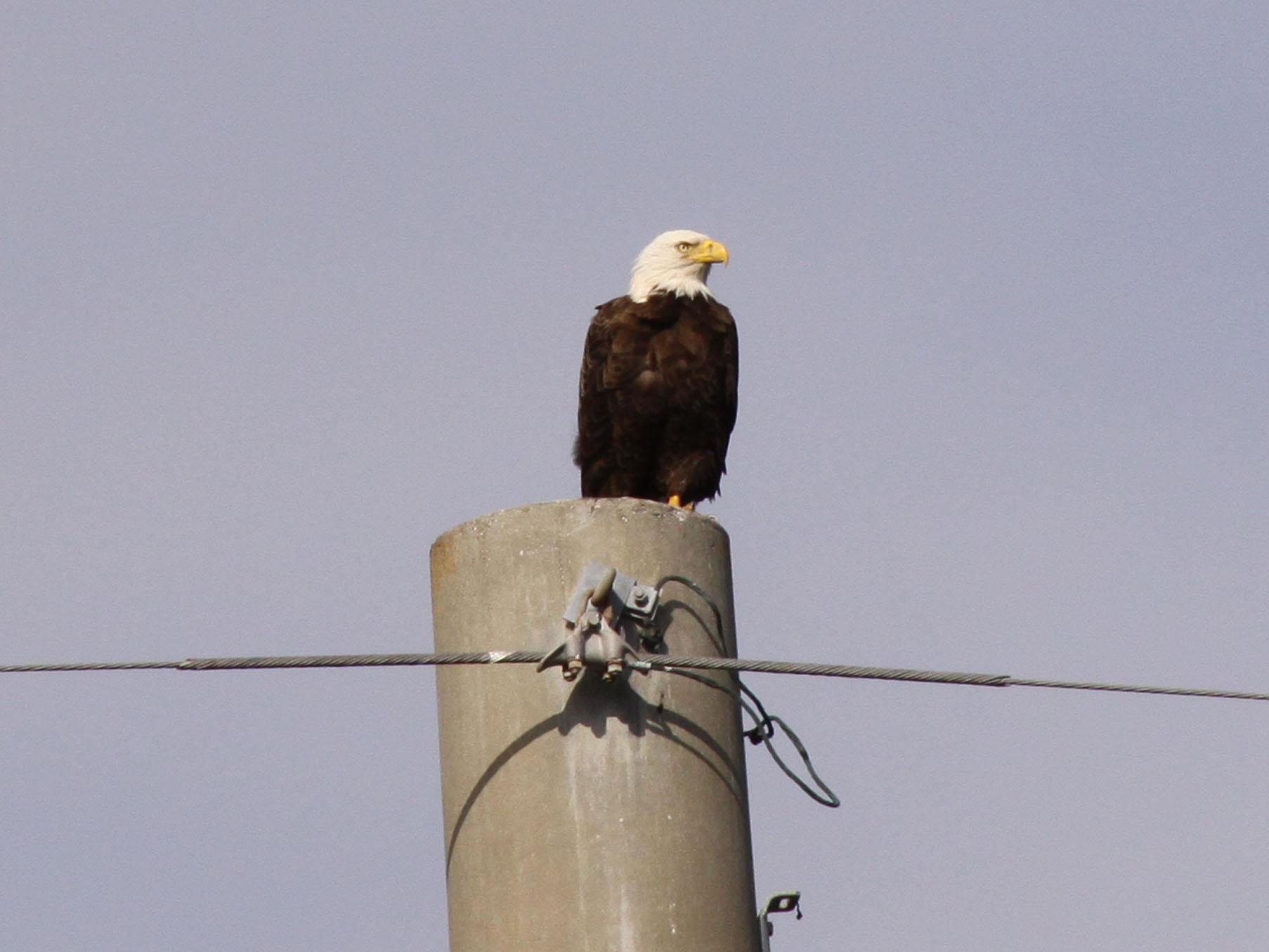
The juxtaposition is startling. Bald eagles nest within sight of Launch Complex 39, where Apollo missions departed for the Moon and Space Shuttles climbed toward orbit. Loggerhead and green sea turtles drag themselves onto beaches just miles from where Falcon rockets land on their tail fins. West Indian manatees gather at the Haulover Canal drawbridge, surfacing in waters that carry the distant rumble of engine tests. The refuge and the space center are not merely neighbors -- they are overlaid on the same land, their boundaries woven together. NASA retains the authority to close public access before launches, and on those days the wildlife has the island entirely to itself.
A Mosaic of Habitats
The refuge spans a remarkable range of ecosystems compressed into a single barrier island. Saltwater estuaries give way to freshwater impoundments and marshes. Coastal dunes transition into hardwood hammocks and Florida scrub. Mosquito Lagoon and the Indian River thread through the property, connecting brackish and freshwater worlds. This habitat diversity drives the extraordinary species count: 117 species of fish, 68 amphibians and reptiles, 31 mammals, and those 330 bird species that make the refuge a gateway site for the Great Florida Birding Trail. The endangered Florida scrub jay, found nowhere outside the state, maintains a population here. Bobcats pad through palmetto understory. The dwarf siren, a recently discovered salamander, makes its home in the refuge's wetlands.
Black Point and the Seven-Mile Drive
The best way to see the refuge is at the pace of a slow-moving car or a pair of walking boots. Black Point Wildlife Drive follows a one-way, seven-mile dike road through the heart of the refuge, with marshes spreading out on both sides and wading birds stationed like sentinels at every turn. Herons, egrets, glossy ibis, white ibis, and roseate spoonbills are common sights, their silhouettes reflected in still water. Ospreys work the shallows. American alligators bask on the dike edges. Hiking and driving trails extend through other sections of the refuge, and an observation deck near the Haulover Canal offers a reliable vantage point for watching manatees. The refuge also provides access to Playalinda Beach on the outer barrier island, a stretch of undeveloped Atlantic shoreline that feels a world apart from the launchpads just down the road.
Migration Crossroads
Merritt Island sits along the Atlantic Flyway, and the refuge functions as a critical rest stop for migratory birds moving between their breeding grounds in the north and wintering territory in the Caribbean and South America. Blue-winged teal and northern shoveler overwinter here in small numbers, but the real spectacle comes during migration peaks when shorebirds arrive in waves -- some resident, others pausing only briefly before continuing south. Rails, anhingas, and multiple species of waterfowl fill the impoundments. The refuge's managers control water levels across much of the property to maintain this diversity of habitats, and prescribed burns are used regularly to keep the scrub and hammock ecosystems healthy. It is active, hands-on conservation made possible by the unusual circumstance of sharing an island with a federal space agency.
From the Air
Merritt Island National Wildlife Refuge occupies the northern portion of Merritt Island on Florida's Atlantic coast at approximately 28.52N, 80.67W. From the air, the refuge is identifiable by its vast marshlands, impoundments, and lagoons contrasting with the developed areas of the Kennedy Space Center to the south. The Indian River Lagoon system is visible to the west, Mosquito Lagoon to the northeast, and the Atlantic Ocean barrier beaches to the east. Canaveral National Seashore borders to the north. Nearest airports: NASA Shuttle Landing Facility (KTTS) on the island itself, Space Coast Regional / Titusville (KTIX) 8nm northwest, Merritt Island Airport (KCOI) 10nm south. Best viewed at 2,000-4,000 feet AGL to appreciate the mosaic of water, marsh, and scrub habitats.