Mesa Verde
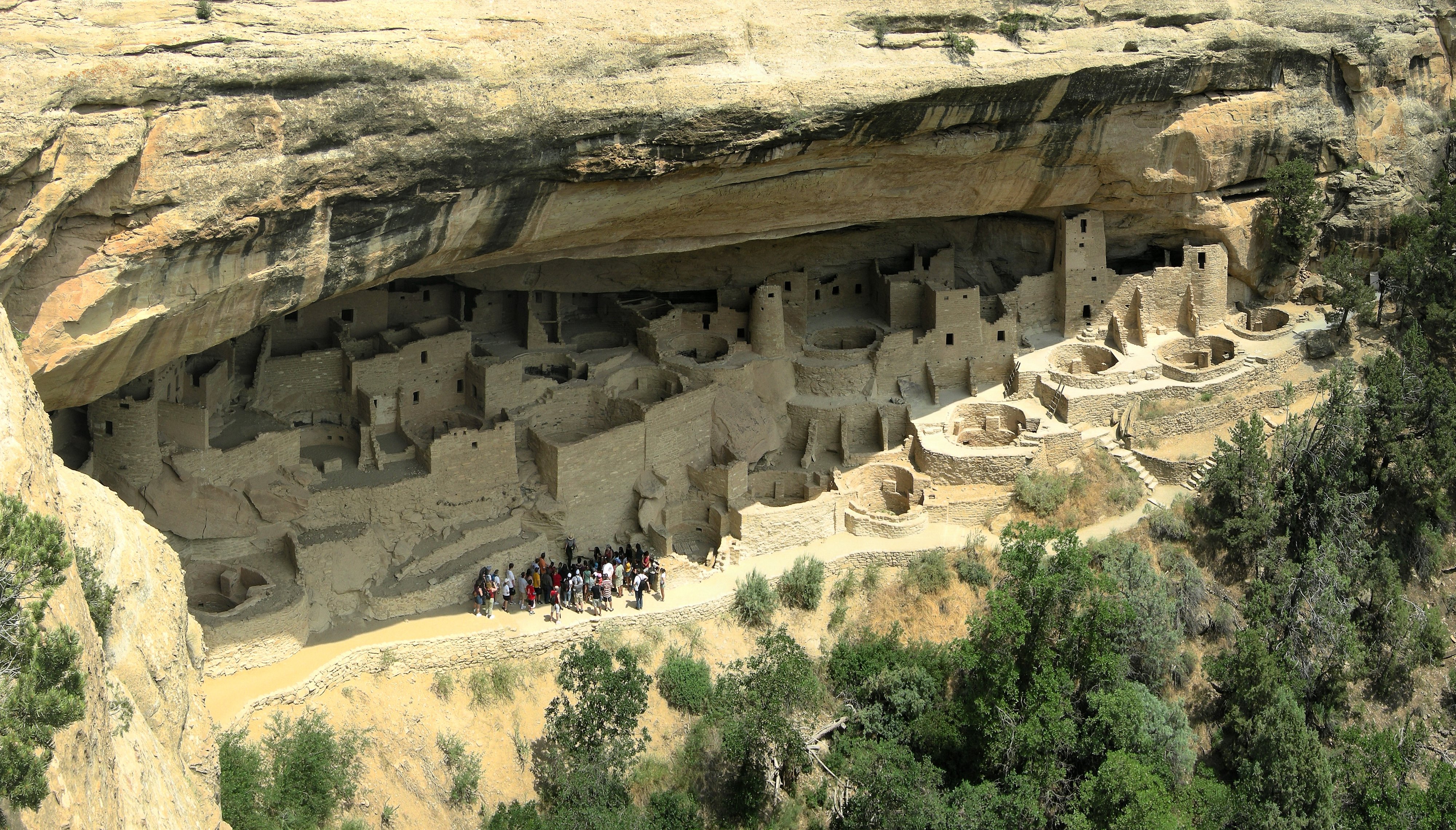
In 1888, two cowboys searching for stray cattle rode to the edge of a canyon in southwestern Colorado and saw something impossible: an ancient city built into the cliff face across the canyon. Cliff Palace, with its 150 rooms and 23 kivas, had been hidden for six centuries. The Ancestral Puebloans - formerly called Anasazi - had constructed elaborate stone dwellings in the natural alcoves of Mesa Verde's sandstone canyons, then abandoned them around 1300 AD. No one knows exactly why they left, though drought, resource depletion, and conflict likely contributed. Today, Mesa Verde National Park protects over 5,000 archaeological sites, including 600 cliff dwellings, preserving evidence of a sophisticated civilization that rose and fell before Europeans arrived. The empty rooms and silent plazas pose questions that may never be answered: Who were these people, and why did they leave?
The People
The Ancestral Puebloans lived on Mesa Verde for over 700 years, from approximately 550 to 1300 AD. They evolved from mobile hunter-gatherers to settled farmers, growing corn, beans, and squash on the mesa top. Their architecture progressed from pit houses to above-ground structures. For most of their history, they lived on the mesa's surface. Only in the final 75-100 years did they move into the cliff alcoves, building the dramatic dwellings that would capture modern imaginations. The reasons for this migration remain debated - defense against enemies, better climate control, religious significance. The cliff dwellings represent the final flourishing of Mesa Verde culture.
The Architecture
The cliff dwellings were engineering marvels. Built into natural alcoves in the canyon walls, they used the overhanging rock as protection from rain and snow. Rooms were constructed of carefully shaped sandstone blocks, mortared with mud. Kivas - circular underground chambers - served religious and social purposes. Cliff Palace, the largest dwelling, contained approximately 150 rooms and 23 kivas; estimates suggest 100-120 people lived there. Other major sites include Spruce Tree House, Balcony House, and Long House. The builders had no metal tools, no wheeled transport, no beasts of burden. Everything was carried by hand, including water from the canyon floor.
The Abandonment
By 1300 AD, Mesa Verde was empty. The people who had invested generations in building their cliff cities walked away, leaving behind pottery, tools, and even food. Tree-ring evidence shows a severe drought from 1276 to 1299 - but they had survived droughts before. Archaeological evidence suggests increased conflict: towers were built, settlements were fortified, skeletal remains show violence. The most likely explanation combines factors: drought reduced food production, conflict increased as resources became scarce, and the social systems that had sustained community life began to fail. The survivors migrated south, joining Puebloan communities in New Mexico and Arizona whose descendants still live there.
The Legacy
Modern Puebloan peoples consider the Ancestral Puebloans their ancestors, and Mesa Verde a sacred place. The Hopi, Zuni, and other tribes retain oral traditions connecting them to the cliff dwellings. When archaeologists ask about the abandonment, tribal elders often say the people didn't disappear - they moved. The migration was not an ending but a transformation, as populations consolidated into the communities that Spanish explorers would find centuries later. Mesa Verde became a World Heritage Site in 1978, recognized for its exceptional archaeological significance and the light it sheds on pre-Columbian American civilization.
Visiting Mesa Verde
Mesa Verde National Park is located in southwestern Colorado, about 35 miles west of Durango. The park requires significant driving - the main attractions are spread across a large mesa with winding roads. Cliff Palace and Balcony House require ranger-guided tours with timed tickets; Spruce Tree House is accessible by self-guided tour (when open). Tours involve ladder climbing and narrow passages - not recommended for those with fear of heights or claustrophobia. The Chapin Mesa Archeological Museum provides essential context. The park is typically fully accessible from May through October; winter closes many roads. Summer brings crowds; spring and fall offer better conditions. Durango-La Plata County Airport (DRO) has limited service; Albuquerque International Sunport (ABQ) is 250 miles south. Allow at least a full day; two days allow deeper exploration.
From the Air
Located at 37.23°N, 108.49°W in Montezuma County, Colorado, about 35 miles west of Durango. From altitude, Mesa Verde appears as a heavily forested mesa cut by numerous canyons. The cliff dwellings are not visible from directly above but can be seen in the canyon walls from oblique angles. The distinctive flat-topped mesa rises above the surrounding terrain. Sleeping Ute Mountain is visible to the west.