Mesa Verde: The Cities Built in Cliffs
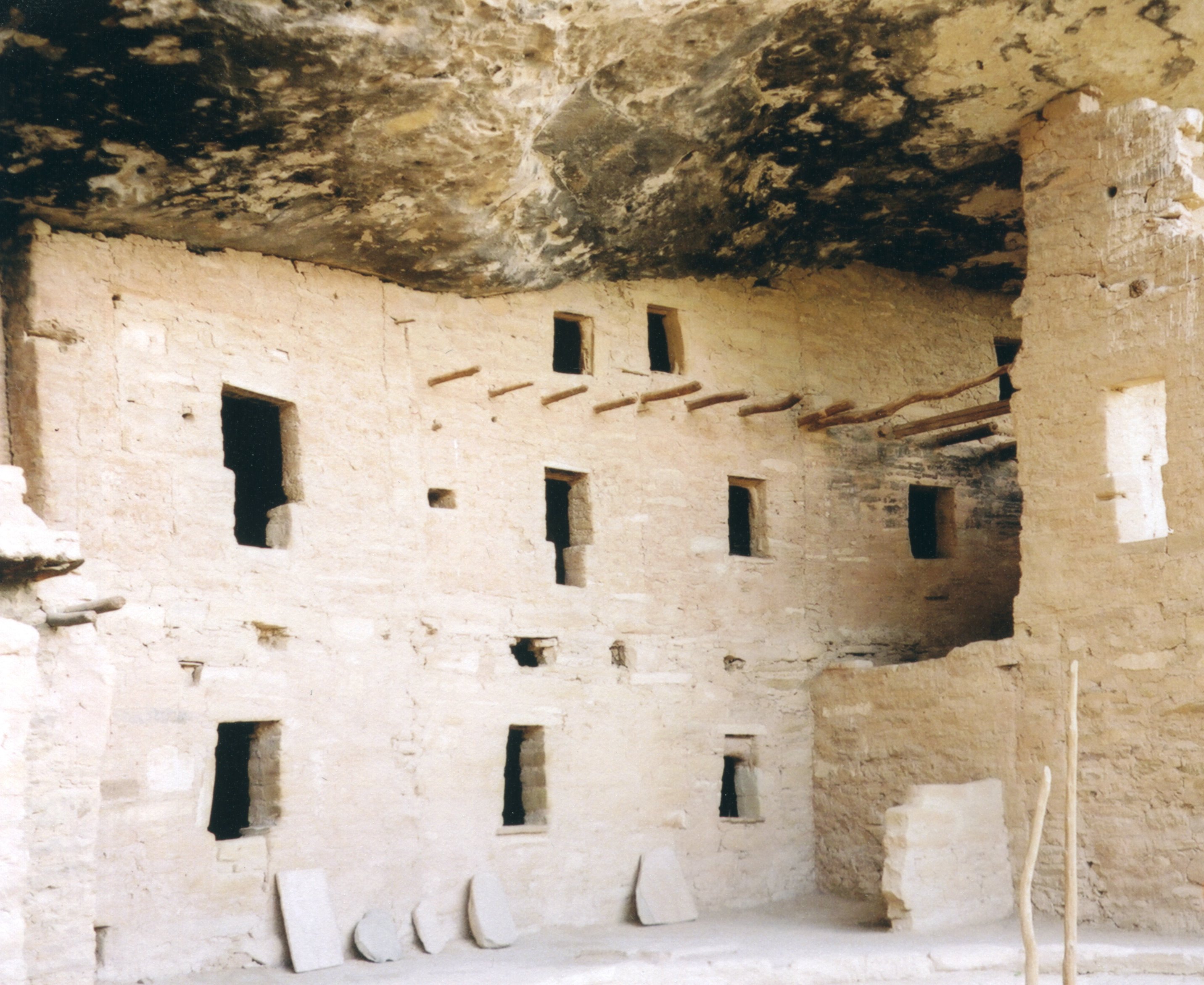
They built cities in impossible places. In the sandstone cliffs of southwestern Colorado, Ancestral Puebloans constructed elaborate stone dwellings within natural alcoves - multi-story structures accessible only by climbing. For less than a century, from roughly 1190 to 1280 AD, they occupied these cliff homes, then departed, leaving their cities intact. Mesa Verde preserves over 5,000 archaeological sites, including 600 cliff dwellings. The largest, Cliff Palace, contains 150 rooms and 23 kivas. Why they built in cliffs, why they left, and what became of them are questions that archaeology can only partially answer. Their descendants - modern Pueblo peoples - maintain oral traditions. Mesa Verde is both archaeological site and spiritual homeland.
The People
The Ancestral Puebloans (once called Anasazi, now considered offensive by many Pueblo peoples) occupied the Four Corners region for over 700 years. At Mesa Verde, they initially lived in pit houses on the mesa top, then built surface pueblos, finally moving to cliff alcoves around 1190 AD. Their culture was sophisticated: irrigation agriculture, complex social organization, extensive trade networks, ceremonial architecture. They crafted fine pottery, wove cotton cloth, and developed astronomical alignments in their buildings. What we see in the cliff dwellings represents their final, most dramatic architectural phase - but it built on centuries of cultural development that left extensive but less visible remains across the mesa.
The Cliffs
The cliff dwellings occupy natural alcoves in canyon walls - sheltered spaces formed by differential erosion of sandstone. The alcoves provided protection from weather and, possibly, from attack. The Puebloans built within these spaces using shaped sandstone blocks mortared with mud, creating structures that filled the available shelter. Access required climbing - handholds pecked into rock faces, log ladders, routes that seem terrifying today. Children lived here; daily life happened here. The engineering adapted to impossible topography, fitting human habitation into geological accident. The locations suggest defensive concerns; the effort required suggests strong motivation. Whether that motivation was environmental, social, or spiritual remains debated.
The Departure
By 1300 AD, Mesa Verde was abandoned. The cliff dwellings were left intact, possessions remaining as if residents planned to return. They didn't. Tree-ring data documents severe drought in the late 1200s; agricultural failure may have forced migration. Social conflict is another theory - the defensive locations of cliff dwellings suggest threats. Environmental degradation from centuries of occupation may have depleted resources. Most likely, multiple factors combined. The Ancestral Puebloans didn't disappear; they migrated south and east, their descendants becoming the Pueblo peoples of New Mexico and Arizona. Mesa Verde wasn't ending - it was departure for new homelands.
The Park
Mesa Verde became a national park in 1906 - the first established to protect archaeological heritage. Early preservation was haphazard; stabilization and protection improved over decades. Today the park balances preservation with access: some sites are viewable from overlooks, others require guided tours, many are closed to protect fragile remains. The Pueblo peoples maintain spiritual connection to the sites; consultation guides interpretation. Archaeology has revealed much but cannot convey the experience of living in these places. Standing in Cliff Palace, imagining daily life in a city built in mid-air, requires imagination that scientific method cannot provide.
Visiting Mesa Verde
Mesa Verde National Park is located in southwestern Colorado, approximately 35 miles west of Durango via US-160. The park requires a scenic 20-mile drive from the entrance to the major sites. Cliff Palace and Balcony House require ranger-led tours (tickets at visitor center or recreation.gov). Spruce Tree House, the third-largest dwelling, offers self-guided access when open. The Mesa Top Loop provides overlook views of multiple sites. Camping and lodging are available in the park; Durango offers full services. Allow at least a full day; serious exploration requires multiple days. Summer is busiest; spring and fall offer smaller crowds and comfortable temperatures. The experience rewards those who take time to understand what they're seeing.
From the Air
Located at 37.19°N, 108.49°W on a high mesa in southwestern Colorado. From altitude, Mesa Verde appears as a flat-topped prominence deeply incised by canyons. The cliff dwellings are invisible from above - hidden in alcoves beneath the mesa rim. The park boundary is visible as protected land amid surrounding development. The Four Corners region extends in all directions: desert terrain, other mesas, distant mountains. The San Juan Mountains rise to the north; Monument Valley lies southwest. The canyons that house the dwellings are visible as dark gashes in the mesa. What the altitude cannot show is the vertical architecture - the cities hanging on cliff faces, invisible from above, intimate from within.