MGM Grand Fire
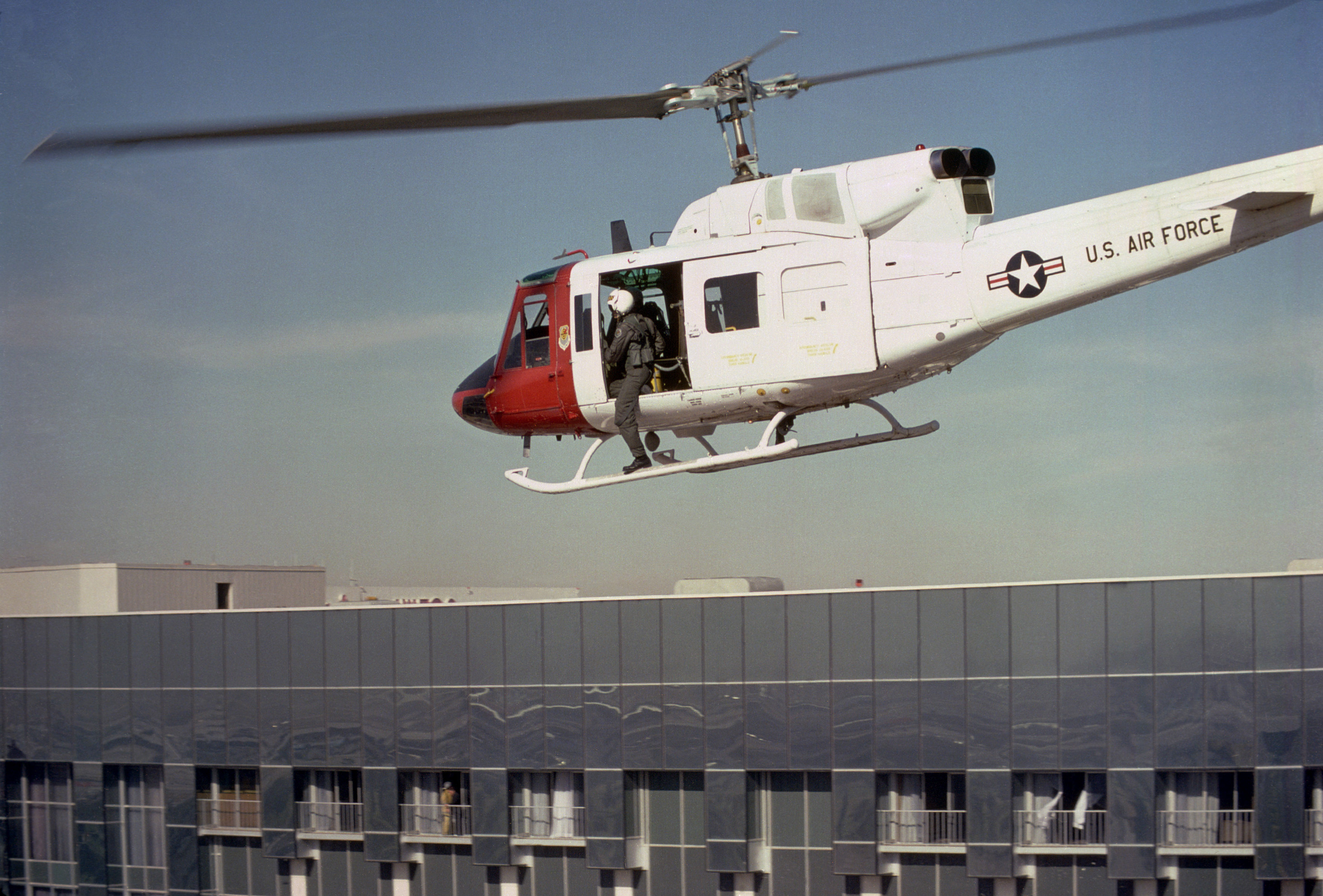
A tile crew supervisor noticed a flickering light at 7:07 a.m. on November 21, 1980. He was inspecting a restaurant called The Deli at the MGM Grand Hotel and Casino when that flicker revealed itself to be a wall of flames. Within six minutes, the entire casino floor was engulfed, fed by wallpaper, PVC piping, plastic mirrors, and glue. A massive fireball blew out the main entrance facing the Las Vegas Strip. By the time it ended, 85 people were dead and the disaster had spawned the largest helicopter rescue operation in American peacetime history, with military aircraft plucking 1,000 people from the roof of the 26-story tower.
A $192,000 Decision
The MGM Grand had opened in 1973 with more than 2,000 hotel rooms, making it one of the largest hotels in the world. Sprinklers were installed on the first two floors and the top floor, but a full system throughout the building would have cost $192,000. MGM installed only the minimum required by the building code at the time of construction. The fire that started in The Deli spread rapidly across the unprotected casino floor. While the flames themselves never climbed above the first floor, the building's ventilation system became a death machine. Faulty smoke dampers allowed toxic fumes to circulate through the air conditioning, spreading poisonous gases throughout the tower. Seventy-five of the 85 victims died from smoke inhalation and carbon monoxide poisoning on the upper floors, most between the 20th and 25th stories.
Jolly Green Giants Over Vegas
The fire broke out during Exercise Red Flag '80, a military training operation that had brought CH-3E Jolly Green Giant helicopters to Nevada from Hurlburt Field, Florida. These aircraft, along with UH-1N Hueys from Nellis Air Force Base's 57th Wing, formed an impromptu rescue fleet. Approximately 350 firefighters responded to the blaze, but their ladders could only reach the ninth floor. Above that, the helicopters became the only lifeline. Crews pulled 1,000 people from the roof as smoke poured from shattered windows. Some guests had broken their windows seeking fresh air, inadvertently allowing thicker smoke from outside to enter their rooms. A construction worker used a scaffolding platform from an ongoing expansion project to lower guests to the ground from their windows.
The Smoldering Hours
Investigators traced the fire to an electrical ground fault inside a refrigerated pastry display case that had been added to The Deli after the hotel's original construction. The fault caused the fire to smolder for hours inside the wall before it found fresh oxygen and exploded into the casino. Ten victims were found in an elevator. The building had no automatic system to return elevators to the main floor during a fire, and guests who stepped into elevators found themselves trapped as smoke filled the shafts. The telephone switchboard room filled with smoke so quickly that operators only had time to warn people on the casino floor before evacuating. Hotel guests received no notification. The Barbary Coast casino across the street became an evacuation center as the Strip transformed into a scene of chaos and rescue.
81 Days
Within a week of the fire, Nevada Governor Robert List formed a commission to determine whether older hotels should be required to adopt newer fire safety rules. Then, just 81 days after the MGM disaster, another fire broke out at the Las Vegas Hilton, killing eight more people. The state moved to mandate comprehensive fire safety standards. More than 1,350 legal claims were filed against MGM, seeking over $2 billion in damages. Settlement deals with victims were reached in 1983, and a $76 million settlement with insurance companies followed in 1985. In 1998, $440,000 remained in the victim settlement fund. The money was donated to Clark County victims of fires and burns.
30,000 Sprinklers
The MGM Grand was rebuilt over eight months at a cost of $50 million and reopened in July 1981 as one of the safest hotels in the world. More than 30,000 sprinklers were installed, including four in most hotel rooms. Eight thousand speakers allowed fire safety instructions to reach every guest. The air conditioning system was redesigned to prevent smoke from entering rooms, and exhaust fans capable of clearing the building of fumes in 10 minutes were added. A five-minute fire safety video hosted by Gene Kelly played on room televisions in English and Spanish. Two weeks after reopening, a welder's torch caused insulation to smolder. The new safety systems worked exactly as designed, triggering automatic alarms. The original tower where most deaths occurred continues to operate today. After being sold to Bally Manufacturing in 1986, it became Bally's Las Vegas, and in 2022 was renamed Horseshoe Las Vegas.
From the Air
The original MGM Grand, now Horseshoe Las Vegas, stands at 36.114N, 115.172W on the Las Vegas Strip in Paradise, Nevada. The 26-story tower is visible from the air as part of the distinctive Strip corridor. McCarran International Airport (KLAS) lies approximately 2 nautical miles to the south. The current MGM Grand Las Vegas, opened in 1993, is a separate property located at Las Vegas Boulevard and Tropicana Avenue, recognizable by its distinctive green glass exterior. The Strip provides excellent visual navigation reference, running north-south through the valley floor.