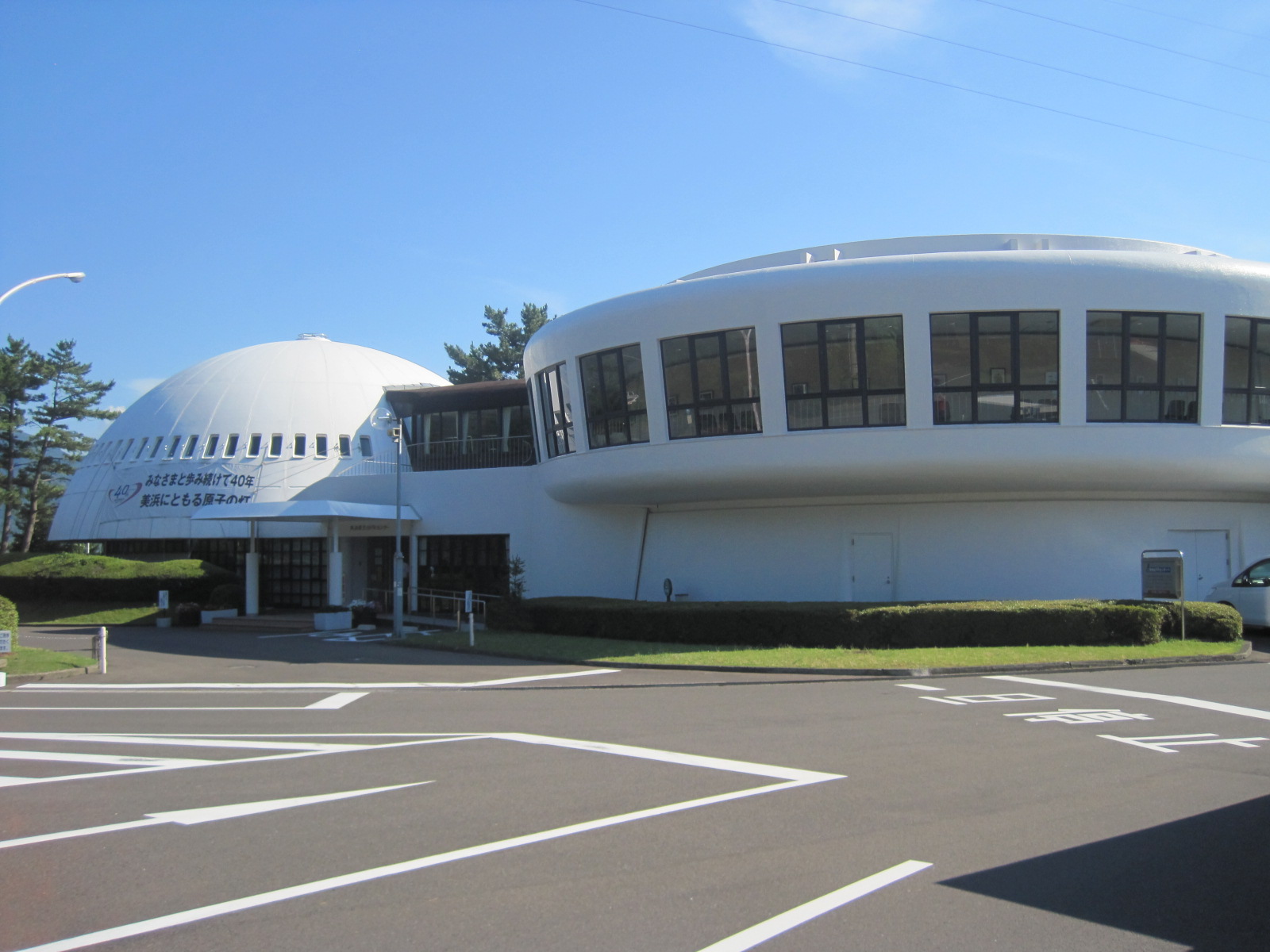
Mihama Nuclear Power Plant: Japan's First Reactor to Break the 40-Year Rule
On 23 June 2021, control room operators at the Mihama Nuclear Power Plant watched their instruments climb toward output levels not seen in a decade. Unit 3 was producing power again -- and in doing so, it broke a barrier no Japanese reactor had crossed before. Under regulations imposed after the 2011 Fukushima disaster, nuclear reactors in Japan face a hard forty-year operating limit unless their owners invest billions of yen in safety upgrades and win regulatory approval for a twenty-year extension. Unit 3, a Westinghouse pressurized water reactor that first generated electricity in 1976, had done exactly that. The restart cost Kansai Electric Power Company approximately 165 billion yen -- about $1.51 billion -- and followed a full ten years of shutdown. The reactor sits on 520,000 square meters of land in the town of Mihama, Fukui Prefecture, about 320 kilometers west of Tokyo. Sixty percent of that site is green space. The pastoral setting belies a complex history.
A Pipe Nobody Checked
The date that haunts Mihama is 9 August 2004. Workers were preparing for routine inspections of Unit 3 when a pipe in the secondary condensate system ruptured, sending superheated steam into the turbine building. Five workers were killed and six others seriously injured. The pipe, part of the 'A' loop condensate system between the fourth feedwater heater and the deaerator, had simply worn through. Investigators later discovered the cause: the failing pipe had been omitted from the plant's original inspection plan. It had never been checked since the reactor's commissioning in 1976 -- nearly three decades of operation without a single thickness measurement. Quality management systems that should have caught the omission failed entirely. The accident was rated INES Level 0, meaning no nuclear safety significance, because the turbine building is separate from the reactor building. But before the Fukushima crisis, this incident was called Japan's worst accident at a nuclear plant. An earlier accident in February 1991 had seen a steam generator tube in Unit 2 rupture due to high-cycle fatigue after a vibration suppression fixture was improperly installed, triggering an emergency core cooling system activation.
Faults Beneath the Foundations
In March 2012, seismic researchers delivered alarming findings about the Urasoko fault, which runs through the Fukui nuclear corridor. Previous estimates by the Earthquake Research Committee had put the fault at about 25 kilometers long, capable of producing a magnitude 7.2 earthquake. But a team led by Yuichi Sugiyama of the National Institute of Advanced Industrial Science and Technology found that multiple faults within 2 to 3 kilometers of the Urasoko fault could activate together, extending its effective length to 35 kilometers. Computer simulations went further, modeling the fault at 39 kilometers and capable of producing five meters of displacement. The Urasoko fault passes roughly 250 meters from the reactor buildings at the nearby Tsuruga plant, and the Nuclear and Industrial Safety Agency warned that Mihama could also be affected by seismic activity from the same fault system. NISA ordered reassessments from Kansai Electric Power Company and other operators in the Fukui area.
Two Reactors Retired, One Reborn
Post-Fukushima regulations imposed a forty-year limit on reactor operations. Kansai Electric did the math on its two oldest units at Mihama. Unit 1, commissioned in 1970, and Unit 2, online since 1972, were small reactors by modern standards. The cost of fire-retardant cable replacement, structural reinforcement, and other mandated upgrades exceeded any reasonable return on their remaining generating capacity. Both were decommissioned in March 2015. Unit 3, however, was a different calculation. Its 826-megawatt output justified the investment. In November 2016, Japan's Nuclear Regulation Authority approved an application to extend Unit 3's operating life through 2036 -- the second such approval granted since the Fukushima disaster. The upgrades involved fireproofing cables, installing additional safety systems, and completing the extensive modifications required under the new regulatory framework.
Contested Power
The restart of Unit 3 did not proceed without opposition. Citizens from Fukui, Kyoto, and Shiga prefectures had long fought the operation of reactors in the Fukui corridor. In August 2011, residents near Lake Biwa -- Japan's largest freshwater lake, which provides drinking water for millions -- filed a lawsuit seeking to block the restart of seven Kansai Electric reactors. The Otsu District Court agreed to stop the Takahama reactors, though the Osaka High Court later overturned that injunction in March 2017. When Unit 3 finally restarted in June 2021, nine people from the surrounding prefectures filed a new lawsuit with the Osaka District Court seeking to halt its operation. Even as the reactor produced its first power in a decade, Kansai Electric acknowledged it would likely miss a 25 October 2021 deadline for completing counterterrorism measures, meaning another temporary shutdown was expected.
A Precedent on the Wakasa Coast
Mihama sits on the Wakasa Bay coast, part of a concentrated stretch of nuclear infrastructure sometimes called 'Nuclear Alley.' Within a few kilometers stand the Tsuruga Nuclear Power Plant, the now-decommissioned Monju fast-breeder reactor, and other facilities. The region's embrace of nuclear energy brought jobs and government subsidies, but also seismic uncertainty and the weight of Fukushima's legacy. Unit 3's restart represented more than an engineering milestone. It set a legal and regulatory precedent that other aging reactors across Japan could follow -- a path from shutdown through billion-dollar upgrades to extended operation. Whether the precedent proves wise depends on answers still buried in the faults beneath the Wakasa coastline.
From the Air
Located at 35.70°N, 135.96°E on the Wakasa Bay coast of Fukui Prefecture, Japan. The plant sits on a peninsula jutting into the Sea of Japan, identifiable from altitude by its reactor containment domes and the cleared site surrounded by green forested hills. Best viewed at 3,000-5,000 feet AGL. The nearest airports include Komatsu Airport (RJNK) approximately 80 km to the northeast. The Tsuruga Nuclear Power Plant and the former Monju reactor site are visible nearby along the same coastline.