Mineralogical Museum of Lavrion
The silver coins on display here are called the Lavrion owls, and Aristophanes named them in his comedies. They paid for the triremes that broke the Persian fleet at Salamis. They paid for the Parthenon. They funded an empire. The hands that pulled the silver from the ground beneath this museum, however, did not own the coins, did not see the temples, and were not freed when Athens was. Roughly twenty thousand enslaved people worked the galleries of Lavrion, chained and branded, lit by oil lamps that flickered out long before their shifts ended. The Mineralogical Museum of Lavrion sits in a small industrial building from 1875, part of the old ore-washing complex of the Hellenic Company, and the rocks behind its glass tell two stories at once: a story of geological wonder, and a story of human cost.
An inexhaustible laboratory
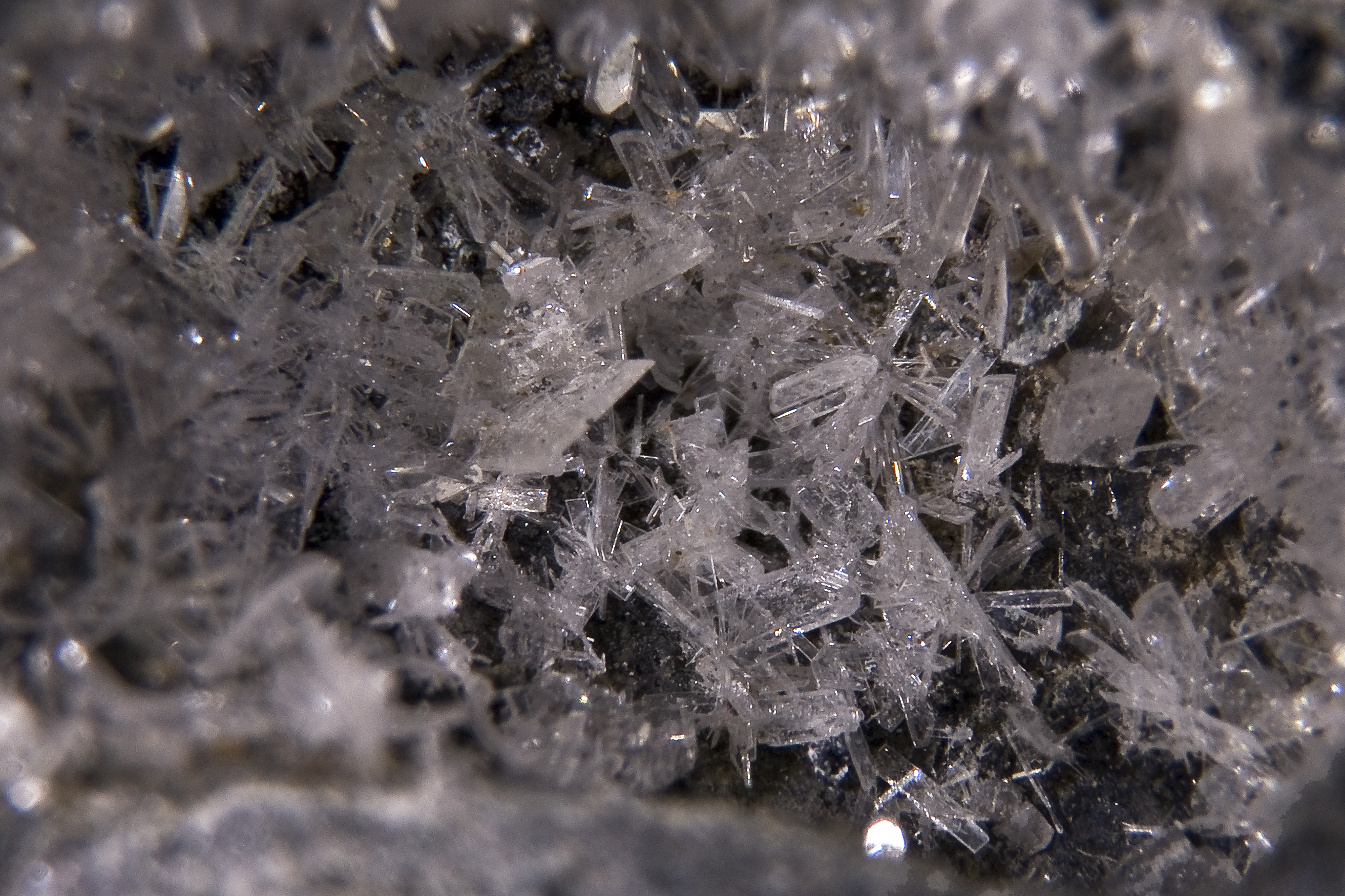
More than 610 mineral species have been identified in the subsoil of the Lavrion district, roughly sixteen percent of all minerals known to science. That figure makes the area one of the most chemically rich square miles on Earth. Inside the museum's modest rooms, 740 specimens representing 220 species fill the showcases, classified by chemistry along the lines that James Dwight Dana laid down in the 19th century: sulfates here, sulfides there, oxides, silicates. The aragonites are improbable: white sprays and tufts that look like coral grown indoors. The azurites are the deep blue of an Aegean afternoon. The smithsonites range across pale greens and improbable lavenders. Annabergite. Spangolite. Takovite. Ktenasite. Kapellasite. Glaucocerinite. The names sound invented, but they are not. Lavrion produces specimens of these minerals so beautiful that the great mineralogical museums of London and Paris would gladly accept them for their own cases.
The cost the rocks do not show
It is easy to look at the iridescent crystals and forget what was done for them. Classical Athens did not extract its silver gently. Shafts were driven straight down through the limestone; galleries radiated out at three or four levels, sometimes barely tall enough to crawl through. Enslaved miners, captured in war or sold into the market, worked those galleries with iron picks. Many were children, valued for fitting where adults could not. Themistocles's proposal in 483 BC to spend a windfall from a new silver strike on warships rather than distribute it as citizen dividends became one of the most consequential decisions in Western history; three years later those ships shattered Xerxes's navy in the straits at Salamis. The silver behind that decision came from this hillside. The lungs that breathed the dust came with it.
Andreas Cordellas and the second mining age
The mines fell silent when Rome arrived and stayed silent for nearly two thousand years. Then, in the late 19th century, a Greek mineralogist named Andreas Cordellas (1836-1909) studied the slag heaps the ancients had left behind and realized they still contained extractable silver. Modern smelters could pull metal from rock that classical furnaces had abandoned as waste. His work paved the way for the Hellenic Company and its French rival, the Societe des Usines du Laurium, which together turned Lavrion back into an industrial town between 1873 and 1927. The museum stands inside one of their old ore-washing sheds. A monument to Cordellas, sculpted by Irini Chariati and unveiled here on May 20, 1990, watches over the entrance. The Society for Lavrion Region Studies (E.ME.L.) opened the museum in 1986, gathering specimens from local families who had kept beautiful stones on their mantelpieces for generations.
What the grounds remember
Outside, the surrounding yard is a working memorial to industry. Huge blocks of slag, repurposed as stone in the harbor walls of Lavrion town, sit on display where visitors can rest a hand on them. Loading barrels for the metal ships line up beside a wagonette pulled from a half-collapsed gallery in the Plaka district just to the north. Lead turtles, pigs of refined metal cast in their distinctive shape for transport, lie next to the molds that shaped them. Then, inside, the silver coins. The owls. Aristophanes's owls, that everyone in Athens once carried in a fold of cloth, that bought wine and bread and the occasional vote, that paid for an empire. The mines that produced them are visible from the museum windows, gaping black mouths in the hill. The collection keeps growing; over 3,200 samples now, with more arriving each year from collectors who want their stones to come home.
From the Air
37.716 N, 24.051 E. Lavrion sits at the southeastern tip of Attica, about 50 km southeast of central Athens. Best viewed at 3,000-5,000 ft AGL where the dark slag fields contrast against the bright Aegean coast. Cape Sounion and the Temple of Poseidon lie 10 km south. Nearest field is Athens Eleftherios Venizelos (LGAV), 25 km north-northwest. Light traffic, generally calm Mediterranean conditions outside summer meltemi season.