The Miracle on the Hudson: When a Pilot Landed a Plane on a River
On January 15, 2009, US Airways Flight 1549 departed New York's LaGuardia Airport bound for Charlotte. Three minutes later, both engines failed after striking a flock of Canada geese. Captain Chesley 'Sully' Sullenberger faced an impossible choice: attempt a return to LaGuardia, divert to Teterboro Airport in New Jersey, or do something no large commercial jet had ever done successfully - land on water. Sullenberger chose the Hudson River. At 3:31 PM, he set the Airbus A320 down on the frigid waters between Manhattan and New Jersey. All 155 people aboard survived. It was called the Miracle on the Hudson - though Sully insisted it was skill, training, and a little bit of luck.
The Birds
Flight 1549 took off from LaGuardia at 3:25 PM, climbing over the Bronx toward its cruising altitude. At 3:27 PM, about 3,000 feet over the New York City skyline, the plane flew into a flock of Canada geese. Multiple birds were ingested into both engines.
The birds caused immediate and catastrophic damage. Both engines lost power - an extremely rare double engine failure. The cockpit filled with the smell of burning birds. First Officer Jeffrey Skiles, who was flying the plane at that moment, felt the aircraft shudder and saw the instruments go haywire. 'We got one roll - Loss of thrust on both engines,' he reported. Sullenberger took control.
The Choice
Sullenberger had seconds to make a decision. LaGuardia was behind him and to the right. Teterboro Airport in New Jersey was to the left. The Manhattan skyline was directly ahead. He had no engine power, only the altitude he had already gained.
The captain quickly realized neither airport was reachable. The plane was descending too fast and was too far from any runway. 'We're gonna be in the Hudson,' he told air traffic control. It was a statement, not a request. There were no good options. He chose the least bad one.
The Landing
Sullenberger had practiced water landings in simulators. He knew the dangers: hit the water wrong and the plane would break apart. He needed to keep the wings level, the nose up, and the descent rate as slow as possible.
At 3:31 PM, about five minutes after takeoff, the Airbus touched down on the Hudson River just west of Midtown Manhattan. The impact was violent but survivable. Water rushed into the cabin. The tail section filled. But the fuselage held together. The plane floated. And everyone was alive.
The Rescue
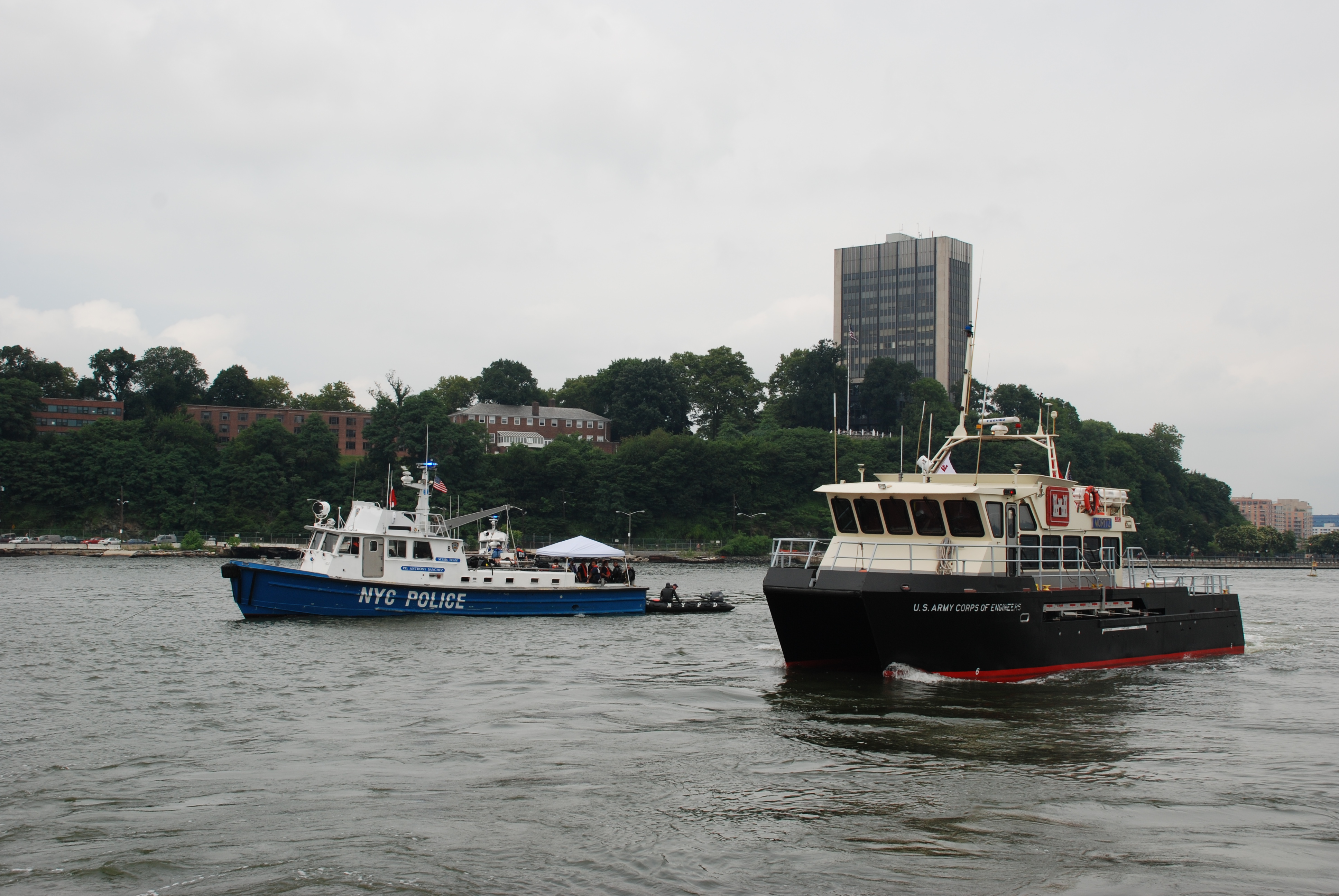
The passengers evacuated onto the wings and the emergency slides, which served as rafts. The water temperature was 36°F (2°C). Hypothermia could kill within minutes. But ferries and rescue boats converged on the scene almost immediately - New York's waterways were full of vessels ready to help.
In 24 minutes, all 155 people were rescued. Some had minor injuries. Many were hypothermic. But no one died. Not from the bird strike. Not from the crash. Not from the frigid water. The impossible had happened.
The Captain
Sullenberger became an instant hero - 'Captain Sully,' the pilot who saved 155 lives through skill and composure. He deflected praise to his crew and to the passengers who remained calm. He was the last to leave the sinking aircraft, walking the aisle twice to ensure no one was left behind.
The ditching was the most successful in aviation history. Investigators determined that Sullenberger's decisions were optimal given the circumstances. His 42 years of flying experience - including glider training - had prepared him for the moment. 'I was sure I could do it,' he later said. And he was right.
From the Air
Flight 1549 landed on the Hudson River (40.77N, 74.00W) near the Intrepid Sea, Air & Space Museum, between Manhattan and Weehawken, NJ. LaGuardia Airport (KLGA) is 15km northeast. The aircraft came to rest at approximately 42nd Street. The site is visible from both waterfronts. The aircraft was recovered and is displayed at the Carolinas Aviation Museum in Charlotte.