Mirbat
On the morning of July 19, 1972, roughly 250 Marxist guerrillas emerged from the fog and advanced on a small coastal town defended by fewer than fifty men. The Battle of Mirbat lasted most of the day and became one of the most celebrated actions in the history of the British Special Air Service. The SAS team that held the town, operating alongside Omani gendarmerie and soldiers, suffered dead and wounded but prevented the rebels from overrunning a position whose fall might have changed the course of the Dhofar Rebellion. Today Mirbat is quiet. Fishing boats line the harbor. A mausoleum with twin white domes marks the tomb of Bin Ali, a medieval Islamic scholar. The population is about 15,000, and most visitors pass through on their way east from Salalah along Highway 49, stopping to look at the old town before continuing toward the cliffs and diving spots beyond. But the ground here carries weight that the peaceful surface does not immediately reveal.
Capital of Frankincense
Before Salalah eclipsed it, Mirbat was the capital of Dhofar and a hub of the frankincense trade that once made this coast one of the wealthiest stretches of shoreline in the ancient world. Arabian horses were bred here and exported by sea, and the town's merchants dealt in the resin of the Boswellia sacra trees that grew in the mountains above. The port connected Dhofar to a maritime network that stretched from East Africa to India and beyond. Frankincense moved through Mirbat's harbor the way oil moves through pipelines today, a commodity so central to the economy that control of it meant control of the region. The town's prominence faded as Salalah grew and trade routes shifted, but the old quarter still carries traces of that earlier importance in its weathered stone buildings and the mausoleum of Bin Ali, whose twin whitewashed domes are visible from the road and mark the resting place of a revered Islamic scholar from the medieval period.
Nine Hours in the Fog
The Dhofar Rebellion was a Cold War conflict fought in a landscape most of the world had never heard of. From 1962 to 1976, insurgents backed by South Yemen and the Soviet Union fought the Sultanate of Oman for control of Dhofar. Britain supported the Sultan with advisors and special forces. On July 19, 1972, the rebels launched their most ambitious attack, targeting the coastal town of Mirbat with a force that outnumbered the defenders roughly five to one. A nine-man SAS team, along with approximately thirty Omani gendarmerie and a handful of askari irregulars, held the town through hours of close combat. The battle turned when Omani Strikemaster jets arrived overhead and SAS reinforcements were helicoptered in from Salalah. The rebels withdrew, having failed to take the town. The engagement was kept secret by the British government for years, but it has since been recognized as a pivotal moment in the war. The rebellion ended four years later, in 1976, after Sultan Qaboos combined military pressure with sweeping social reforms that drew popular support away from the insurgency.
Baobabs and Blue Water
The coast east and west of Mirbat holds some of Dhofar's most striking scenery. The road from Salalah follows Highway 49 through Taqah, passing archaeological sites and fishing coves before reaching Mirbat after about seventy kilometers. In Wadi Hinna, inland from the town, baobab trees grow in the streambed, thick-trunked and unmistakable, a botanical link to East Africa that reflects the Indian Ocean connections that have shaped this coast for centuries. The beach at Mirbat is beautiful but deceptive: strong underwater currents make swimming dangerous, and the seafloor drops off steeply. Diving, however, is excellent during the dry season from October through May, when the monsoon currents subside and visibility improves. Dive sites off Mirbat feature coral formations and marine life that benefit from the nutrient-rich upwelling caused by the monsoon. Wild camping is possible on the beaches east and west of town, though a four-wheel-drive vehicle is needed to reach the best spots, and there are no facilities once you leave the road.
Where the Road Keeps Going
Beyond Mirbat, the coast road continues east toward Sadah and Hasik, growing more dramatic with each kilometer. The road hugs cliffsides above a deep blue sea, passing through fishing villages where the ancient frankincense ports once stood and where ruins of old harbors are still visible near the shoreline. Sea turtles surface offshore during nesting season, and migratory birds use the coast as a rest stop in spring and autumn. Hasik itself was known in antiquity as a frankincense export point, and the ruins of the ancient town lie near the modern village. Six kilometers beyond Hasik, a seasonal waterfall flows during the khareef months, accessible from a parking area off the road. The drive from Mirbat to Hasik takes about three hours each way, through terrain that ranges from bare rock cliffs to hidden sandy coves. Few travelers make the journey, which is precisely what gives this stretch of coast its character. Mirbat is the last town of any size. Past it, the landscape belongs to the sea, the rock, and whatever is left of the frankincense road.
From the Air
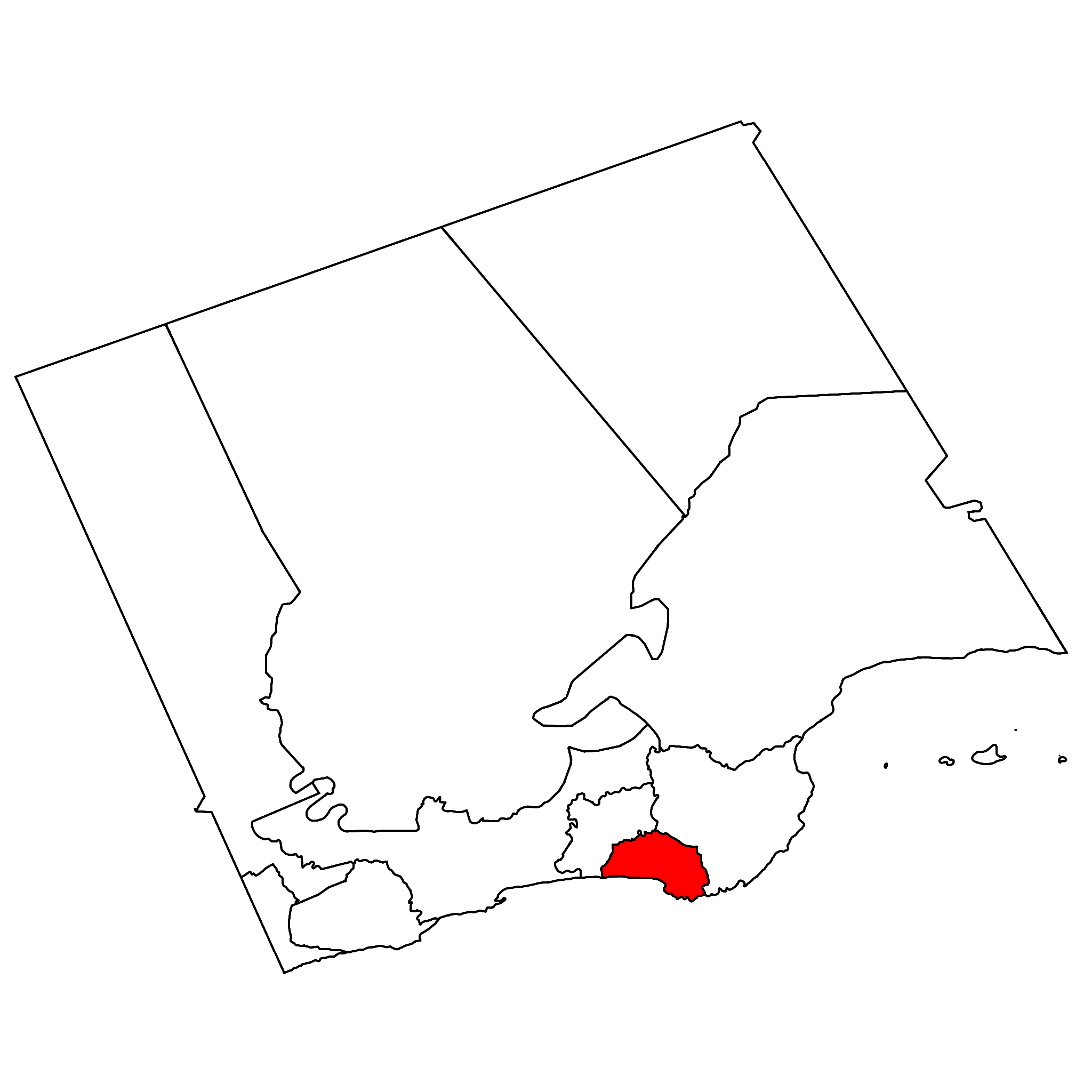
Mirbat is located at 16.98N, 54.70E on the coast of Dhofar, Oman, approximately 70 km east of Salalah. From the air, the town appears as a small coastal settlement at the base of the Dhofar Mountains, with a harbor and beach visible along the shoreline. The twin white domes of the Bin Ali mausoleum are a recognizable landmark. The nearest airport is Salalah (OOSA), about an hour's drive to the west. The coastline east of Mirbat becomes increasingly dramatic with cliffs dropping directly to the sea. Best viewed at 2,000-4,000 feet AGL. During the khareef (June-September), expect fog and reduced visibility along the coast.