Mississippi Armed Forces Museum
It started with two men and a warehouse. In 1984, two military veterans pooled their personal collections of war artifacts and set them up in a single room at Camp Shelby, the sprawling Army post south of Hattiesburg, Mississippi. That modest display has since grown into the Mississippi Armed Forces Museum, the official military history museum for the entire state and a member of the Army Museum System. Housed in a purpose-built facility that opened on October 27, 2001, the museum now holds more than 17,000 artifacts, 4,500 volumes of military history, and 2,000 historical documents. Admission is free, five days a week. The building sits twelve miles south of Hattiesburg on grounds where hundreds of thousands of American soldiers have trained since 1917, which gives every exhibit in the collection a physical connection to the soil outside its doors.
Eight Galleries, One Hundred Years of War
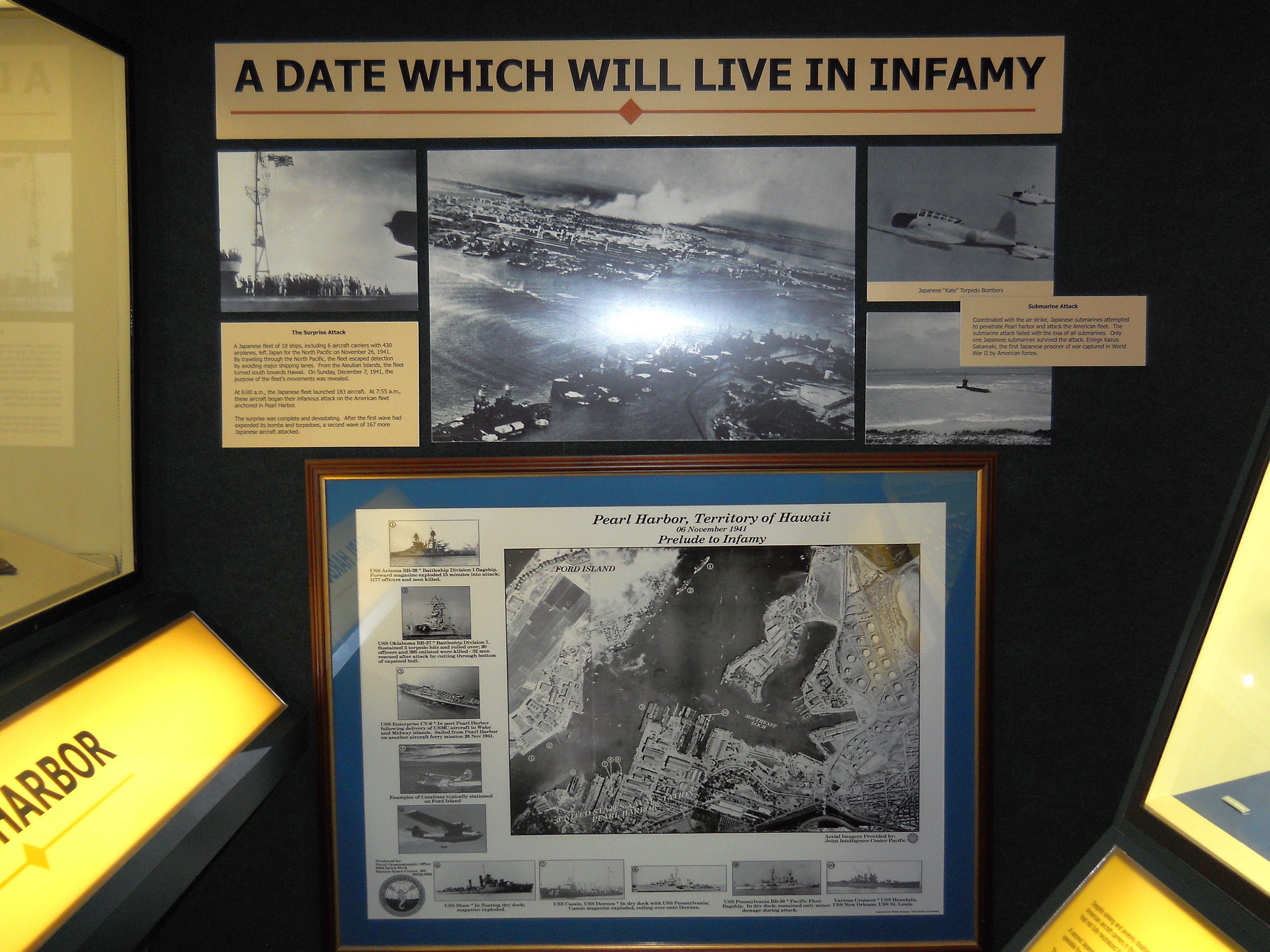
The museum's interior is organized into eight chronological galleries, each dedicated to a different era of American conflict. The journey begins with late 19th-century wars -- the Spanish-American War and the conflicts that marked the United States' emergence as a global military power. From there, visitors walk through World War I, where Camp Shelby itself first came to life in 1917 as a training post for the 38th Division. The World War II gallery is particularly resonant: Camp Shelby trained ten infantry divisions and the legendary 442nd Regimental Combat Team during that war, and many of the artifacts on display were carried by soldiers who marched these very grounds. The Korean War, Vietnam War, and Desert Storm galleries follow, each using immersive dioramas, uniforms, weapons, and personal effects to tell the stories of Mississippi veterans who served. The final interior gallery is dedicated to the Medal of Honor.
Steel Under Open Sky
Step outside and the museum grounds transform into an open-air display of American military hardware. Tanks, field artillery pieces, aircraft, and memorials are arranged across the landscape, giving visitors the chance to walk around and beneath equipment that once served on battlefields around the world. The outdoor collection bridges the gap between museum artifact and living history -- these machines sit on the same red Mississippi clay where generations of soldiers once drilled. Memorial monuments scattered among the hardware honor specific units and campaigns, creating quiet spaces for reflection amid the heavy iron of war. The contrast between the still artillery and the pine forest pressing in from the edges of Camp Shelby gives the outdoor exhibits a character that no indoor museum can replicate.
A Museum That Rebuilt Itself
The museum's trajectory mirrors the resilience of the military community it represents. What began as a small personal collection in 1984 grew steadily until the formal opening of a dedicated facility in 2001, combining the holdings of the former Mississippi War Memorial Museum and the Camp Shelby Armed Forces Museum into a single institution. In February 2015, the museum closed its doors for a major expansion that added three new exhibition galleries and remodeled the older exhibits. The Governor of Mississippi officially reopened the expanded museum on October 27, 2016 -- exactly fifteen years after the original facility opened. The expansion added significant floor space and brought the exhibits up to modern museum standards, with improved lighting, interactive elements, and updated interpretive displays that weave Mississippi's military contributions into the broader narrative of American history.
Ground Soaked in History
What sets the Mississippi Armed Forces Museum apart from other military museums is its location. Camp Shelby is not a decommissioned base repurposed for tourism; it is an active training installation that hosts roughly 100,000 military personnel every year. Visitors driving through the camp's gate on U.S. Highway 49 may pass convoys of military vehicles or hear the distant thud of artillery exercises in the DeSoto National Forest. The museum sits at the intersection of past and present -- the same landscape where World War II prisoners from Rommel's Afrika Korps were held, where Women's Army Corps members trained, and where National Guard brigades from a dozen states have mobilized for Iraq and Afghanistan since 2004. Real Mississippi veterans narrate parts of the Vietnam exhibit, recounting their time in the jungles of Southeast Asia, adding living testimony to the collection of metal and cloth.
From the Air
Located at 31.20N, 89.22W within Camp Shelby, approximately 12 miles south of Hattiesburg, Mississippi along US Highway 49. The museum complex is on the western side of the camp near the main gate area. Nearest airport is Hattiesburg Bobby L. Chain Municipal Airport (KHBG), approximately 10nm north. The sprawling Camp Shelby training area and DeSoto National Forest surround the site. From 3,000-5,000 feet AGL, the camp's cantonment area and road network are visible against the pine forest backdrop. Shelby Auxiliary Field One, a military runway within the camp, is visible to the east.