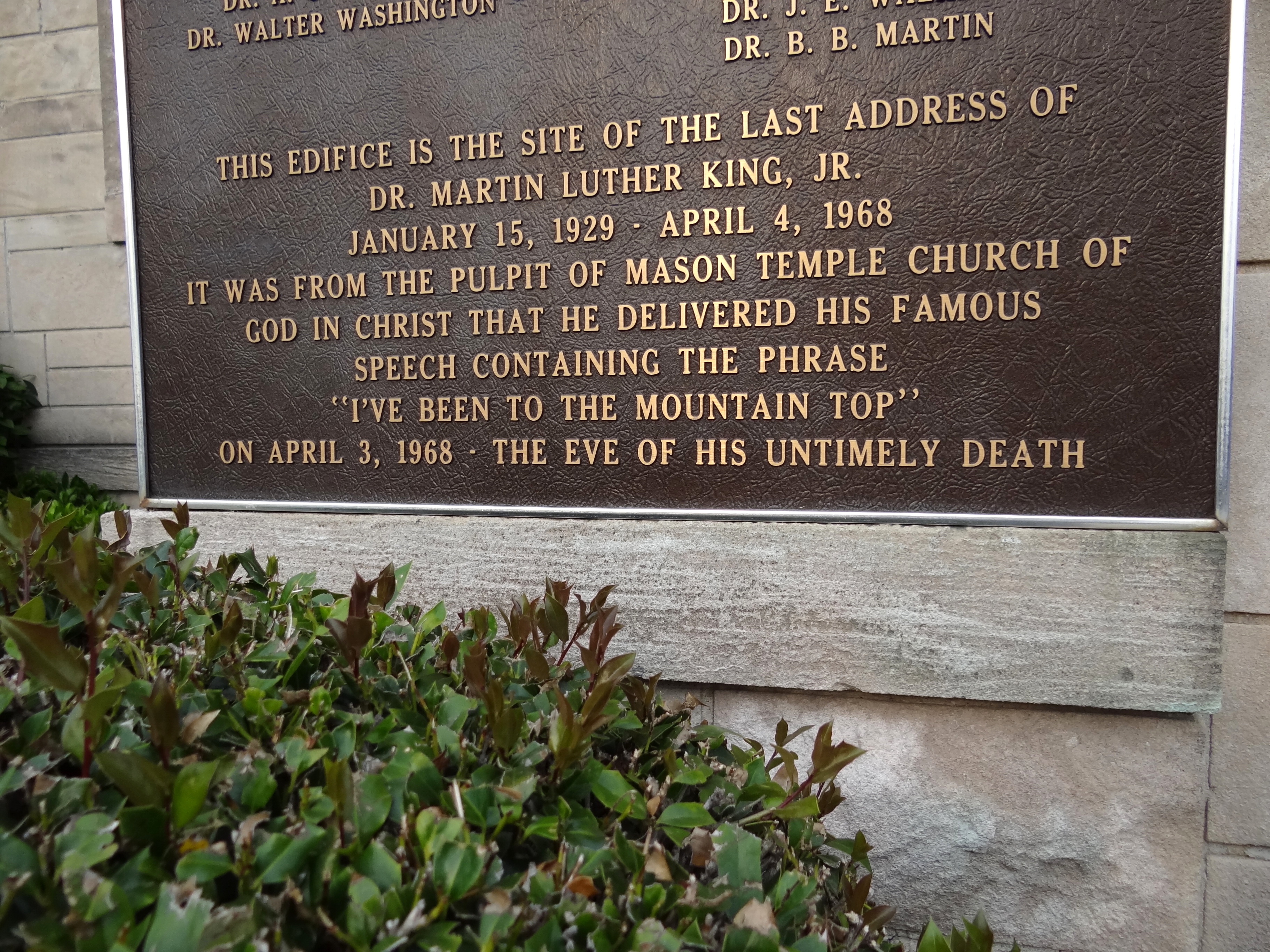
The Assassination of Martin Luther King Jr.: The Shot That Echoed Across America
At 6:01 PM on April 4, 1968, Dr. Martin Luther King Jr. stepped onto the balcony of Room 306 at the Lorraine Motel in Memphis, Tennessee. He was there to support striking sanitation workers. A single rifle shot rang out from a rooming house across the street. The bullet struck King in the jaw, severing his spinal cord. He died at St. Joseph's Hospital an hour later. He was 39 years old. Within hours, riots erupted in over 100 American cities. The man who preached nonviolence died in violence, and his death set America ablaze.
The Mission
King came to Memphis to support 1,300 Black sanitation workers who had been on strike since February 12. Two workers, Echol Cole and Robert Walker, had been crushed to death in a garbage truck's compactor - the latest indignity in a system that treated them as expendable. The workers marched with signs reading 'I AM A MAN.'
King saw the strike as central to his evolving mission. He was planning the Poor People's Campaign, a multiracial movement demanding economic justice. Memphis was a test case. A previous march had turned violent, damaging King's reputation. He returned to prove that nonviolent protest could still work. He would not live to see the result.
The Day
April 4 was warm for early spring. King spent the day at the Lorraine Motel, meeting with staff and local leaders. He was in good spirits, joking with colleagues. That evening, he was due to attend a dinner at the home of a local minister. Around 6 PM, King stepped onto the second-floor balcony to speak with musicians waiting in the parking lot below.
Ralph Abernathy was in the room behind him. Jesse Jackson stood in the parking lot. Ben Branch, a musician, had just promised to play 'Take My Hand, Precious Lord' at that night's rally. 'Play it real pretty,' King called down. Those were his last words.
The Shot
The bullet came from a rooming house across Mulberry Street, about 200 feet away. A man later identified as James Earl Ray had rented a room that afternoon with a view toward the Lorraine Motel. He fired a single shot from a Remington .30-06 rifle, resting the barrel on a bathroom windowsill.
The bullet struck King in the right cheek, traveling through his neck and severing his spinal cord before lodging in his shoulder blade. He collapsed backward onto the balcony. Aides rushed to him, pointing toward the rooming house. King never regained consciousness. At 7:05 PM, he was pronounced dead at St. Joseph's Hospital.
The Flames
News of King's death spread within minutes. By nightfall, America was burning. Riots erupted in over 100 cities - Washington, Chicago, Baltimore, Kansas City, Louisville. In Washington, fires burned within sight of the White House. Federal troops guarded the Capitol steps. The damage was worst in Black neighborhoods - the very communities King had spent his life trying to uplift.
The violence continued for days. At least 43 people died. Over 3,000 were injured. More than 27,000 were arrested. Property damage exceeded $100 million. The man who had preached 'darkness cannot drive out darkness, only light can do that' died and darkness descended.
The Aftermath
James Earl Ray was arrested two months later at London's Heathrow Airport. He pleaded guilty to avoid the death penalty and received 99 years in prison. He recanted almost immediately, spending the rest of his life claiming innocence and alleging a broader conspiracy. He died in prison in 1998. The full truth remains debated.
The Lorraine Motel is now the National Civil Rights Museum. Room 306 is preserved as it was that day. Across the street, the rooming house has become part of the museum, the bathroom window forever pointing toward the balcony. The sanitation workers won their strike eight days after King's death. The Poor People's Campaign went forward, diminished. America gained a martyr and lost a prophet.
From the Air
The Lorraine Motel (35.13N, 90.06W) is located in downtown Memphis, Tennessee. Memphis International Airport (KMEM) is 15km south. The Mississippi River is 2km west. The area is flat delta terrain. Weather is humid subtropical - hot summers, mild winters. The museum complex includes the original motel and the boarding house across Mulberry Street.