The Mob Museum
Oscar Goodman spent years defending the most notorious mobsters in Las Vegas. Then he became mayor. In 2002, Goodman hatched an idea that only a former mob attorney could pull off: transform the city's abandoned 1933 federal courthouse into a museum celebrating the violent, glamorous history of organized crime. The building itself had hosted one of the fourteen Kefauver Committee hearings that exposed the Mafia's grip on American cities in 1950 and 1951. The federal government sold the property to Las Vegas for one dollar, with stipulations that it be restored to its original appearance and serve a cultural purpose. What emerged on Valentine's Day 2012 was the National Museum of Organized Crime and Law Enforcement, though everyone calls it the Mob Museum.
The Wall
The self-guided tour begins on the third floor with an artifact that silences visitors: the actual brick wall from the SMC Cartage Company warehouse at 2122 North Clark Street in Chicago. On February 14, 1929, seven men associated with Bugs Moran's North Side Gang stood against that wall and were gunned down by Al Capone's enforcers dressed as police officers. The St. Valentine's Day Massacre became the most infamous mob hit in American history and marked the moment when organized crime violence captured the national imagination. After the warehouse was demolished in 1967, the bricks were sold to a Canadian businessman who displayed them in a nightclub. The Mob Museum acquired the wall and reassembled it as the centerpiece of the entire collection. Standing before those bullet-pocked bricks, visitors confront the reality behind the mythology.
The Courtroom
The second floor houses the restored courtroom where Senator Estes Kefauver conducted his 1950 hearings into organized crime. These proceedings, broadcast on the new medium of television, introduced Americans to the faces and names behind the Mafia. Frank Costello's hands, fidgeting under the camera while his face remained off-screen at his request, became an iconic image of criminal anxiety. The Kefauver Committee visited fourteen cities and heard testimony from more than 600 witnesses. The Las Vegas hearing took place in the very room visitors now walk through, its wood-paneled walls and judge's bench preserved as they appeared when mobsters sat in the witness chair. The museum positions this space as the turning point when American law enforcement began treating organized crime as a national threat requiring coordinated response.
Mob's Greatest Hits
The exhibits pull no punches. A section called Mob's Greatest Hits displays actual crime scene photographs of the most infamous Mafia murders, showing the corpses of men whose names became legend. The images are graphic and intentionally disturbing, a reminder that the glamour of gangster movies obscures the brutality of the actual business. Elsewhere, the museum explores the mob's involvement in gambling, drugs, prostitution, and bootlegging, alongside the law enforcement techniques developed to combat these activities. Visitors can listen to actual FBI wiretaps, explore an interactive forensic crime lab, and sit in a replica electric chair. A wall near the exit displays photographs of every actor who has portrayed famous mobsters in film and television, connecting the mythology to its real-world origins.
The Underground
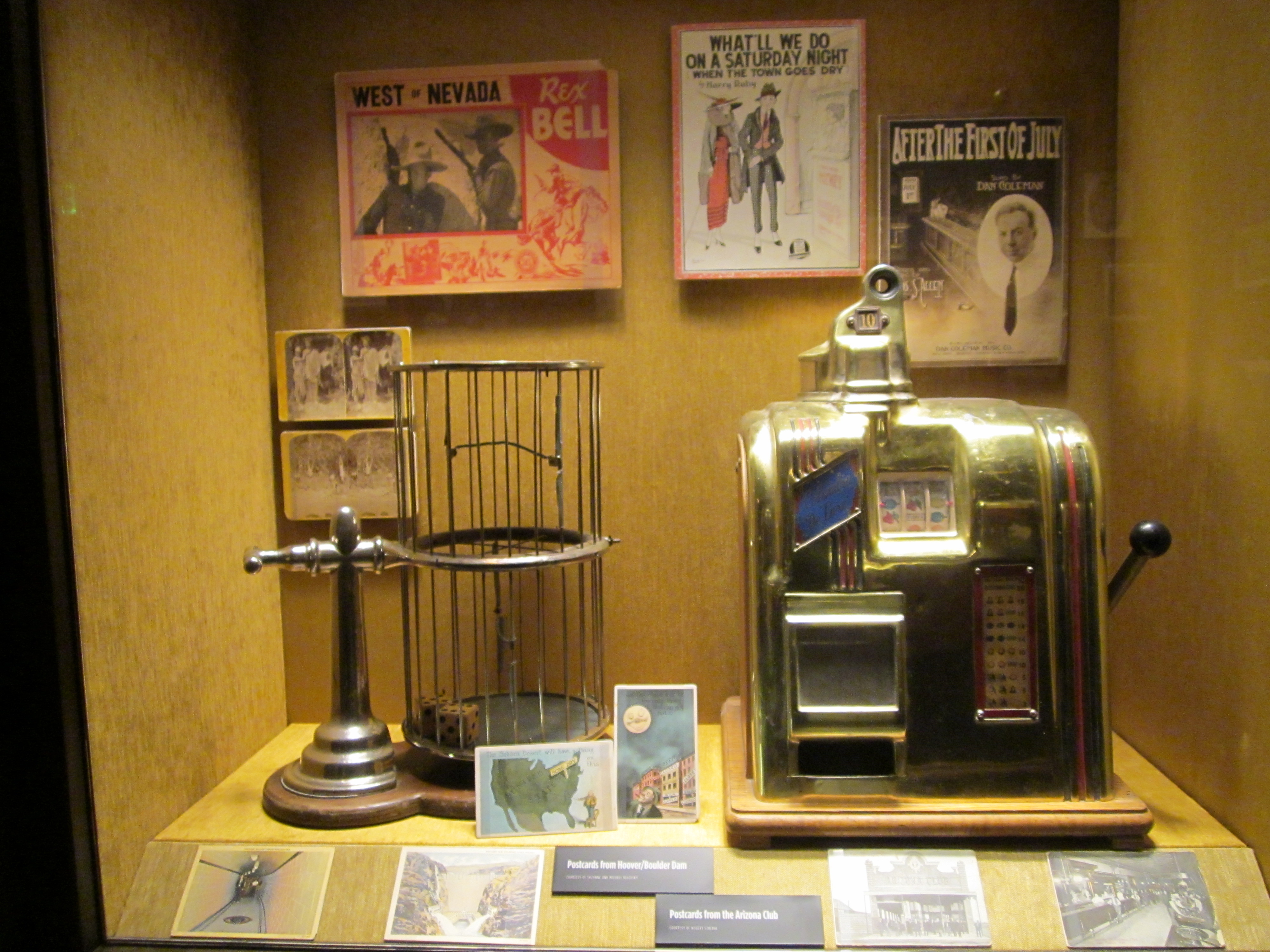
In April 2018, the museum opened The Underground in its basement, a fully operational speakeasy and distillery that brings Prohibition to life. The space explores the cultural history of the era when the Eighteenth Amendment created the economic opportunity that launched American organized crime. Bootleggers, rumrunners, and moonshiners ensured Americans maintained access to liquor during the thirteen years of federal Prohibition, and the museum honors their ingenuity with a working pot still. The Mob Museum distills its own 100 proof, 100% corn moonshine on-site. In 2019, the museum began selling its moonshine through Lee's Discount Liquor stores across the Las Vegas Valley. Visitors can sample the product at The Underground's bar while surrounded by artifacts from the era when making such spirits would have earned them a jail sentence.
The City That Built It
The Mob Museum occupies the former Las Vegas Post Office and Courthouse, a neoclassical building constructed in 1933 and listed on the National Register of Historic Places. Its location on Stewart Avenue, two blocks north of Fremont Street, places it in the heart of the original downtown casino district where mob money helped build Las Vegas into an entertainment capital. The museum was developed under the creative direction of Dennis Barrie, who co-created the International Spy Museum in Washington D.C. and the Rock and Roll Hall of Fame in Cleveland. A nonprofit board governs the institution in partnership with the City of Las Vegas. Admission runs $34.95 for adults, with Nevada residents paying $19.95. The building that once housed federal law enforcement now tells the story of the criminals those agents spent decades pursuing.
From the Air
The Mob Museum is located at 36.173N, 115.141W in downtown Las Vegas, two blocks north of the Fremont Street Experience. From the air, downtown Las Vegas is easily distinguished from the Strip by the covered pedestrian mall and the cluster of older, lower-rise casino buildings. The museum occupies a three-story neoclassical building that served as the federal courthouse and post office from 1933 until its closure. McCarran International Airport (KLAS) lies approximately 4 nautical miles to the south. Downtown's position at the northern end of Las Vegas Boulevard provides clear visual reference for orientation.