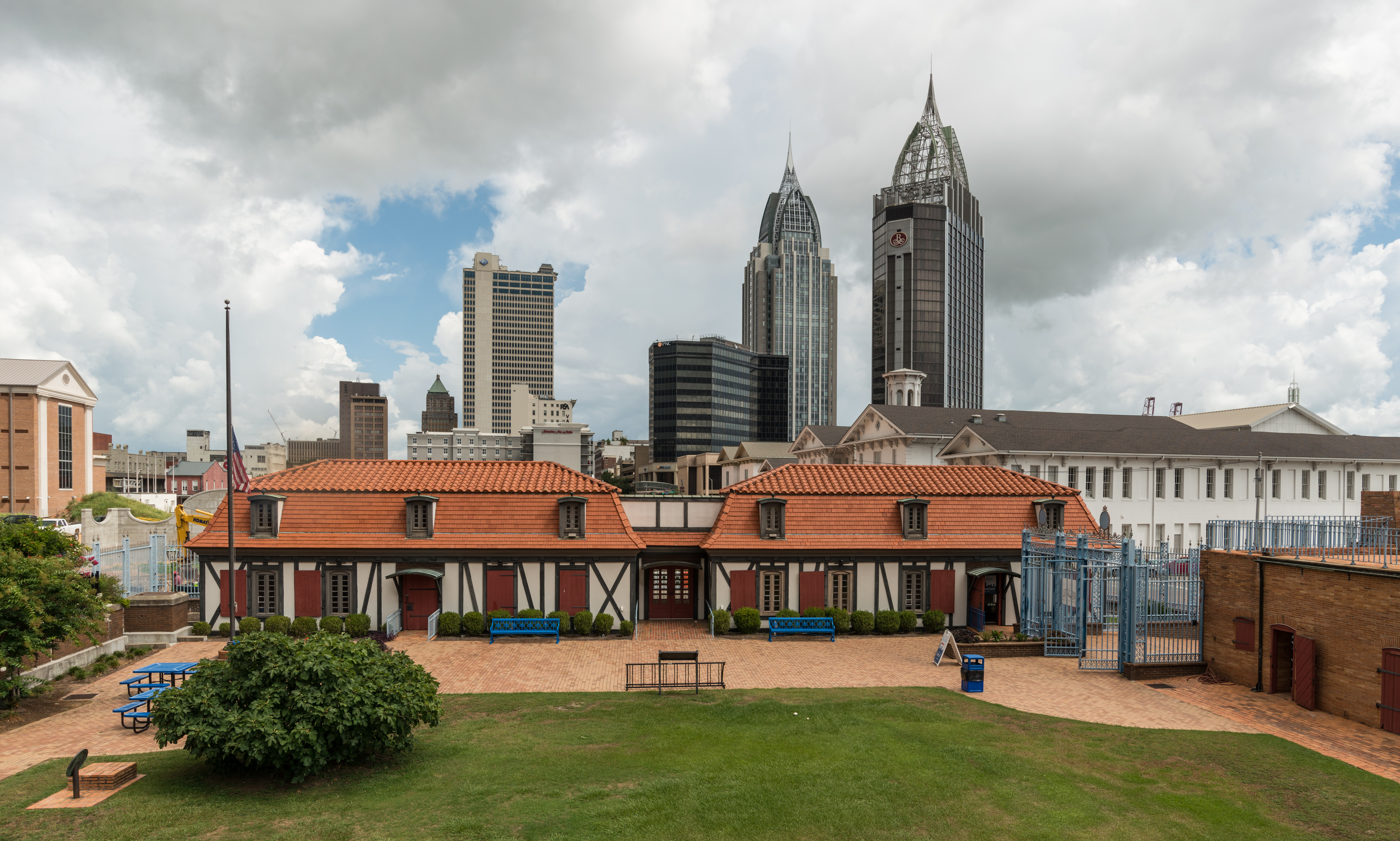
Mobile: The Port City Where Mardi Gras Actually Began
Mobile claims the first Mardi Gras in America - the celebration that French colonists brought in 1703, 15 years before New Orleans existed. New Orleans got bigger, got famous, got the tourists; Mobile kept celebrating in relative obscurity, the krewes parading through oak-lined streets, the moonpies thrown instead of New Orleans beads. The city of 190,000 occupies the western shore of Mobile Bay, Alabama's only saltwater port, the shipbuilding and aerospace industries providing blue-collar prosperity. Mobile is Gulf Coast without the casino tourism of Biloxi or the party reputation of New Orleans - a working port city with French colonial heritage, Spanish moss, and the peculiar pride of being first at something the world thinks happened elsewhere.
The Mardi Gras
Mobile's Mardi Gras dates to 1703, when French colonists celebrated before Lent. The mystic societies (Mobile's version of krewes) organized in the 1830s, preceding New Orleans's organized celebrations. The parades run for two weeks before Fat Tuesday, the floats rolling down Government Street, the moonpies flying (Mobile's signature throw, invented here). The celebration is smaller than New Orleans, more family-friendly, less tourist-oriented. The locals argue that their Mardi Gras is more authentic, less commercialized, truer to the original spirit. Whether visitors believe them depends on what they're looking for.
The Azaleas
The Azalea Trail, established in 1929, runs 37 miles through Mobile's historic neighborhoods, the azaleas blooming spectacularly in late March and early April. The Bellingrath Gardens, south of the city, offers 65 acres of gardens including one of the nation's largest azalea collections. The azalea tourism draws visitors during bloom season, the antebellum homes providing backdrop, the Spanish moss completing the scene. The gardens represent Mobile's genteel self-image - the Southern hospitality, the botanical beauty, the slower pace that the city markets as alternative to busier destinations.
The Ships
Mobile has built ships since the Civil War - the Confederate submarine Hunley was constructed here, the WWII shipyards turned out Liberty ships, the Austal shipyard now builds Navy vessels. The USS Alabama battleship is permanently moored in Mobile Bay, the centerpiece of a memorial park that includes a submarine and aircraft. Shipbuilding provides the industrial employment that other Gulf Coast cities lack, the skilled labor maintaining a tradition centuries old. The port handles containers and bulk cargo, the commerce that originally justified the city's location.
The History
Mobile has been French, British, Spanish, Confederate, and American - each era leaving traces in the architecture and culture. The French founded it in 1702; the British took it in 1763; the Spanish claimed it in 1780; the Americans took it in 1813. The Battle of Mobile Bay in 1864 produced Admiral Farragut's famous order: 'Damn the torpedoes, full speed ahead.' The layers of colonial history distinguish Mobile from purely American Southern cities, the influences visible in street names, building styles, and the Mardi Gras that the French began.
Visiting Mobile
Mobile is served by Mobile Regional Airport (MOB). The USS Alabama Battleship Memorial Park is worth the visit; the battleship and submarine tours are extensive. Bellingrath Gardens peaks during azalea season (late March-early April). The historic districts - De Tonti Square, Oakleigh Garden - offer antebellum architecture. The Mobile Carnival Museum tells Mardi Gras history. The GulfQuest National Maritime Museum covers Gulf Coast maritime heritage. For food, the Gulf seafood is fresh; the oysters are excellent. Mardi Gras runs two weeks before Fat Tuesday. The weather is Gulf Coast: humid summers, mild winters.
From the Air
Located at 30.69°N, 88.04°W on the western shore of Mobile Bay where the Mobile River meets the Gulf of Mexico. From altitude, Mobile appears as urban development along the bay - the port facilities visible, the USS Alabama visible as a gray ship moored in the memorial park, the bay opening to the Gulf. What appears from altitude as Alabama's port city is where Mardi Gras actually began - where French colonists celebrated 15 years before New Orleans existed, where azaleas bloom in antebellum gardens, and where shipbuilding continues a centuries-old tradition.