Monterey Bay Aquarium: The Cannery That Became an Ocean
Monterey Bay Aquarium occupies the shell of the Hovden Cannery, one of the sardine factories that sustained Cannery Row until the fish disappeared in the 1950s. The cannery closed; the building sat empty; David Packard (of Hewlett-Packard) funded its transformation into an aquarium that opened in 1984. The conversion was inspired: tanks built into cannery infrastructure, windows opening onto Monterey Bay itself, and a pumping system that continuously circulates ocean water through exhibits. The aquarium doesn't just display marine life - it's connected to the living ocean outside, a window rather than a container, showing visitors what lives just offshore but rarely reveals itself to land-bound humans.
The Setting
Monterey Bay is one of North America's richest marine environments - a submarine canyon as deep as the Grand Canyon, upwelling nutrients that support enormous biodiversity. The bay hosts whales, sea lions, sea otters, and thousands of fish and invertebrate species. The aquarium sits at the edge of this abundance, pumping 2,000 gallons of seawater per minute through its exhibits. The bay itself is visible through windows; the line between exhibit and wild ocean blurs. Some species displayed inside swim freely just outside the glass.
The Exhibits
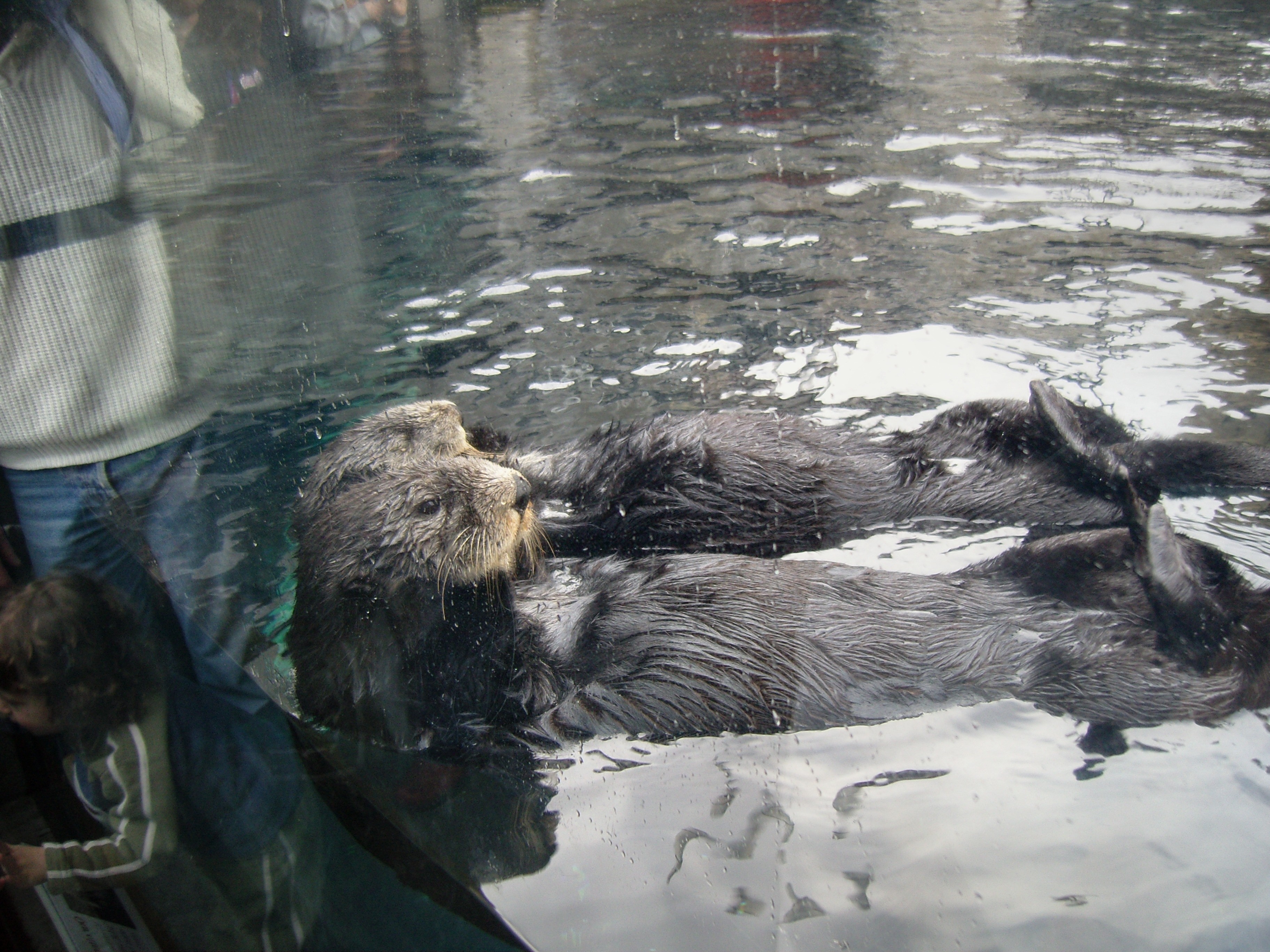
The kelp forest exhibit - a 28-foot-tall living ecosystem with sunlight filtering through kelp fronds - defined the aquarium's ambition. No aquarium had successfully maintained giant kelp before; Monterey did it by pumping actual seawater and allowing genuine sunlight. The Outer Bay exhibit, one of the world's largest tanks, holds open-ocean species including tuna, sunfish, and occasionally great white sharks. Sea otters, rescued and rehabilitated, charm visitors in their dedicated exhibit. The jellyfish galleries, pioneered here, have become an industry standard. Each exhibit represents genuine innovation in aquarium design.
The Conservation
The aquarium operates as a conservation organization rather than merely a display facility. Research programs study Monterey Bay ecosystems. The Seafood Watch program, which recommends sustainable seafood choices, originated here. Sea otter rescue and rehabilitation returns animals to the wild. The aquarium's advocacy has influenced fisheries management and marine protection. The entertainment function - 1.8 million visitors annually - serves conservation education. The beauty of the exhibits isn't merely aesthetic; it's strategic, creating connection that leads to protection.
The Row
Cannery Row, the street John Steinbeck documented in his 1945 novel, has transformed from industrial ruin to tourist strip. The canneries are gone (except the aquarium's building); shops, restaurants, and hotels occupy the sites. The transformation is typical California - historical industry replaced by tourism celebrating the historical industry. The aquarium anchors the Row's eastern end, providing destination attraction for a street that otherwise offers only shopping and the ghost of Steinbeck's sardine workers. The sea otters are cuter than fish processing ever was.
Visiting Monterey Bay Aquarium
Monterey Bay Aquarium is located on Cannery Row in Monterey, California, roughly 120 miles south of San Francisco. Admission requires timed tickets; book online in advance, especially for summer and holidays. Allow 3-4 hours minimum. Peak visitation occurs midday; morning or late afternoon offers smaller crowds. The kelp forest feeding occurs twice daily. Sea otter feeding draws crowds. The touch pools engage younger visitors. Monterey has extensive lodging and dining; the aquarium is within walking distance of downtown. Combine with whale watching, 17-Mile Drive, and Big Sur for a comprehensive Monterey coast experience.
From the Air
Located at 36.62°N, 121.90°W on the Monterey Peninsula, central California coast. From altitude, Monterey Bay appears as a large curved indentation in the California coastline - the deep submarine canyon visible only in bathymetric data but responsible for the bay's rich marine life. Cannery Row runs along the waterfront; the aquarium building is visible among the Row's structures. The Monterey Peninsula juts into the bay; Carmel Bay lies to the south. Big Sur's rugged coastline extends southeast. The bay's curve and the peninsula's position are clearly visible from aircraft, as is the contrast between developed coastline and the open ocean that feeds one of North America's most successful aquariums.