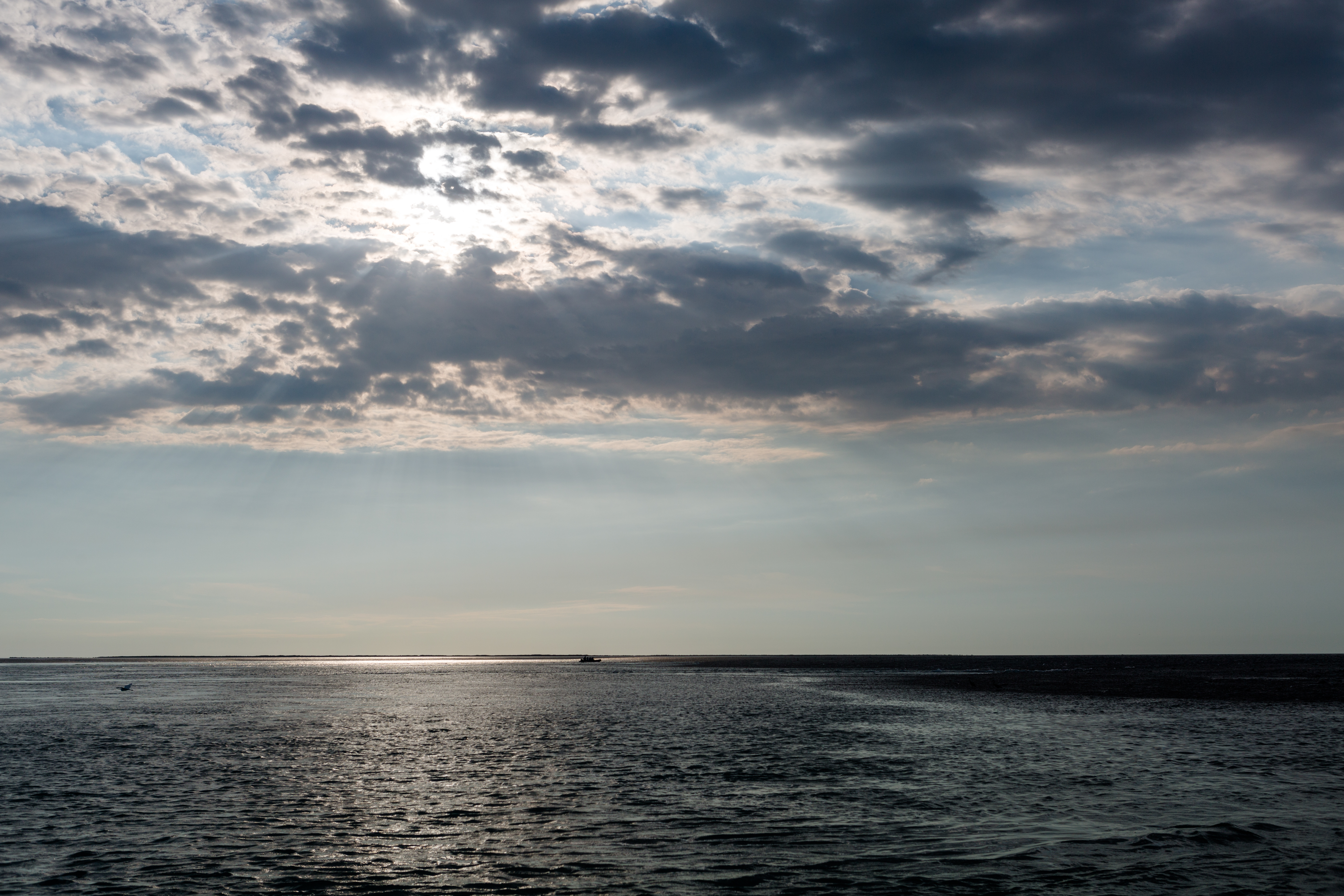
Montgomery Reef
Twice a day, at low tide, Montgomery Reef surfaces. The sea retreats up to 4 metres, and the world's largest inshore reef — 400 square kilometres of it — emerges from the water like a slow-rising continent. The outflow creates a torrent, a river running through the exposed reef, and hundreds of cascading waterfalls pouring from its edges back into the surrounding ocean. Then the tide turns, and Montgomery Reef disappears again beneath the surface of Camden Sound.
The World's Largest Inshore Reef
Montgomery Reef lies approximately 20 kilometres off the Kimberley coast of Western Australia, at the southwestern end of Camden Sound. It surrounds Yawajaba — Montgomery Island — and spans roughly 80 kilometres in length, with a total area of 400 square kilometres. That measurement makes it the largest inshore reef in the world. The nearest populated place is Bardi, about 130 kilometres to the southwest. The reef sits within the Camden Sound Marine Park, gazetted in 2012, which covers 7,062 square kilometres of one of the most biodiverse marine environments in Australia.
The Tidal Engine
The Kimberley coast has some of the most extreme tidal ranges on Earth, and Montgomery Reef concentrates that energy. Tidal differences reach up to 10 metres. When the tide runs out, the water that has covered the reef for hours rushes seaward, cutting a visible river through the exposed rock and creating the cascading waterfalls that flow from the reef's edges. At maximum exposure, more than 4 metres of reef surface can be above water. The transformation is rapid and total — the reef shifts from submerged to emerged in the space of a few hours, then vanishes again. Visiting during tidal change means watching a landscape materialise and dissolve in real time.
When the Tide Goes Out
The exposed reef is not silent. The waterfalls draw an audience. Migratory wading birds arrive on the wet reef surface to feed. Sea turtles cluster at the falls, feeding in the turbulent water. Manta rays glide through the channels. Blacktip reef sharks patrol the shallows. Dugongs graze the seagrass that the falling tide briefly opens to them. Camden Sound is known as one of the most significant humpback whale nursery grounds in the southern hemisphere, and the waters around Montgomery Reef are rich with the marine life that depends on this productive, tide-driven ecosystem. Several cruise operators visit daily during the season, anchoring offshore while guests observe the tidal transformation by tender or from the vessel.
Named for a Ship's Surgeon
Philip Parker King, the naval explorer, was the first European to see the island, in 1818, aboard his survey vessel. He named it after Andrew Montgomery, the ship's surgeon. King also named Doubtful Bay, to the east. The survey was part of a broader effort to chart the Australian coastline — work that had immense consequences for the colonisation that followed. Andrew Montgomery himself left no particular mark on history beyond the name attached to this reef, but it is something to know that what became recognised as the world's largest inshore reef was first recorded by a navy man in a small ship, navigating waters that would have been almost entirely unknown to him, watching the tide pull the sea away from a reef that appeared, momentarily, to be the edge of a new world.
From the Air
Montgomery Reef is located at approximately 15.99°S, 124.24°E, about 20 km offshore at the southwestern end of Camden Sound, Kimberley coast of Western Australia. From altitude, the reef is visible as a large, distinct landmass surrounded by water — especially at low tide when its surface is exposed and the surrounding tidal flows are visible. Derby (YDBY) is the nearest airport, approximately 120 km to the south. The reef lies within the Camden Sound Marine Park. Access is by vessel or helicopter only; no roads or airstrips serve the reef.