Morondava
Most visitors arrive in Morondava because of what lies beyond it. The Avenue of the Baobabs is an hour northeast by rutted road. Kirindy Forest, where fossas hunt lemurs in dry deciduous woodland, requires a 4x4 and a tolerance for dust. The fishing village of Belo sur Mer is reachable only by pirogue, the narrow outrigger canoes that Vezo fishermen have been paddling along this coast for centuries. Morondava itself is the staging ground -- a town that exists at the pace of western Madagascar, which is to say slowly, warmly, and with sand blowing through everything.
Between Dust and Sea
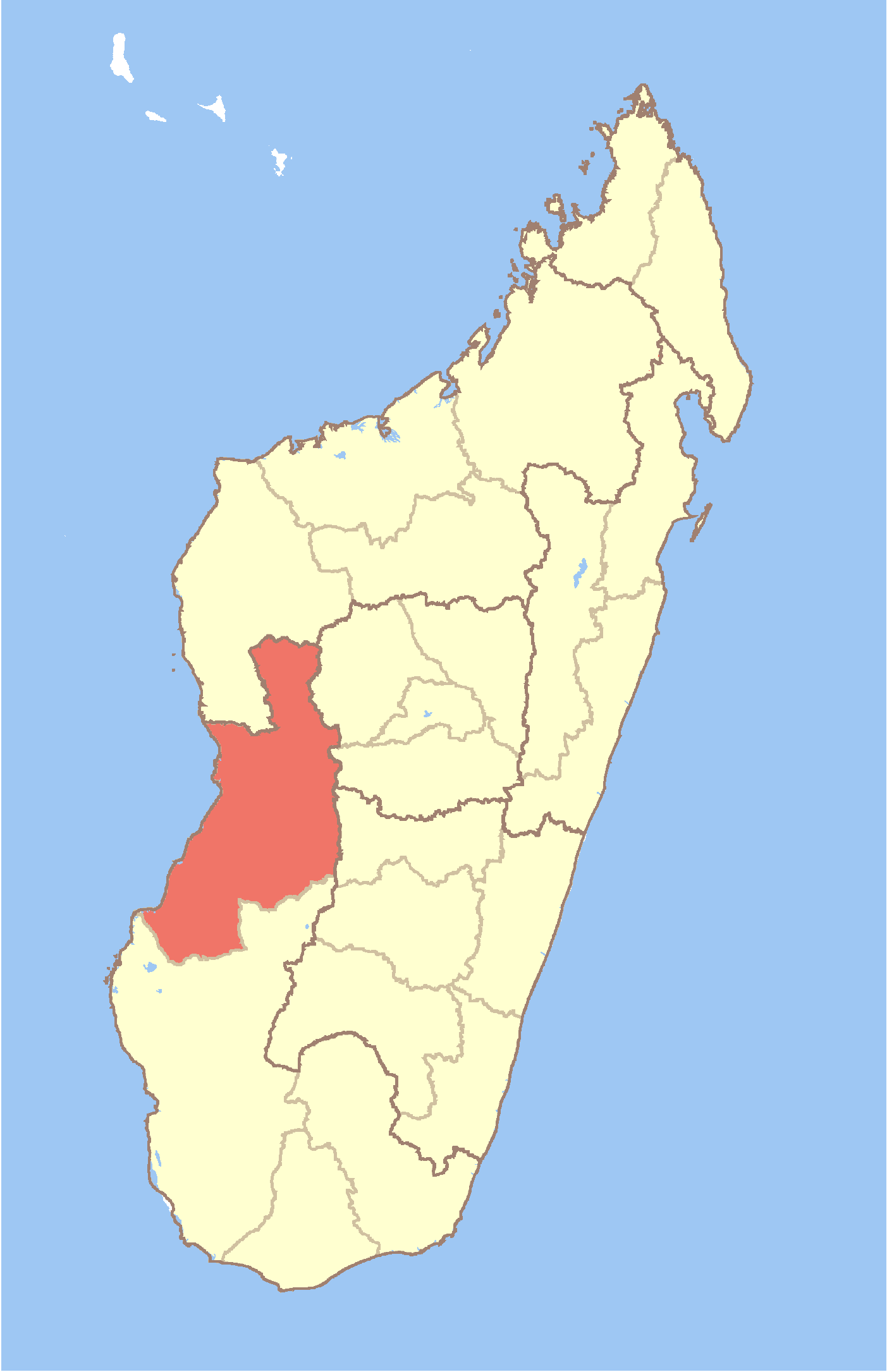
Morondava sits on Madagascar's western coast, facing the Mozambique Channel. It is a town small enough to walk end to end in thirty minutes, though the heat advises against hurrying. The beaches extend far along the north side of town, and the water temperature hovers around 24 degrees Celsius even in the cooler dry season, when daytime air temperatures settle at a comfortable 27 degrees and nights drop to 14 or 15. The dry season -- roughly May through October -- is the best time to visit, though "dry" is relative: the town remains dusty and wind-blown, with sand a persistent fact of daily life. In the rainy season, dust gives way to mud, heat turns sticky, and some roads become impassable. Morondava handles both seasons with the same unhurried calm.
Getting There Is Part of the Story
Madagascar Airlines operates twice-weekly flights from the capital, Antananarivo, a one-hour hop over the island's mountainous spine. The overland alternative is a different kind of experience. Taxi brousses -- the shared minibuses that serve as Madagascar's public transit -- make the run from Antananarivo in nine to twelve hours, depending on the vehicle and road conditions. From Antsirabe, the midway highland city known for its thermal springs, the drive takes roughly seven hours. The roads are notoriously rough, particularly in the rainy season, and the journey itself becomes a story worth telling. Once in Morondava, most accommodations cluster on Nosy Kely, a small coastal promontory within walking distance of the taxi brousse station. Taxis are available for the airport, which sits a few kilometers from the center of town.
Gateway to Baobabs and Lemurs
The reason Morondava appears on most itineraries is access. A hired 4x4 and driver can reach the Avenue of the Baobabs in about an hour, stopping along the way at les baobabs amoureux -- two intertwined trees wrapped in local legend about impossible love. Kirindy Forest lies further northeast, a private nature reserve within the boundaries of Kirindy Mitea National Park. Guides there lead walking tours through dry deciduous woodland where red-fronted lemurs leap between branches, Verreaux's sifakas dance sideways across open ground, and the fossa -- Madagascar's largest predator, a sleek, cat-like relative of the mongoose -- prowls the shadows. Kirindy can be done as a day trip, though basic accommodation is available for those who want to stay for the night walks, when nocturnal species emerge.
Pirogues and the Vezo Coast
South of Morondava, the coastline belongs to the Vezo, a semi-nomadic fishing people whose lives revolve around the sea and the slim outrigger pirogues they build and sail. Belo sur Mer, a fishing village reachable by pirogue from Morondava, offers a glimpse of a way of life that predates tourism by centuries. The mangrove-fringed channels south of town are navigated by these same pirogues, their single sails catching the afternoon wind. For travelers willing to slow down further than Morondava already requires, the Vezo coast south of town is where western Madagascar reveals its quieter character -- a landscape of tidal flats, baobab-dotted scrubland, and villages where the rhythm of life is set by the tide rather than any clock.
From the Air
Located at 20.28S, 44.32E on Madagascar's west coast, facing the Mozambique Channel. Morondava airport (FMNR) has a paved runway and receives domestic flights from Antananarivo. From altitude, the town appears as a compact settlement along the coast with beaches stretching to the north. The Morondava River delta is visible to the south. Inland, the flat terrain of rice paddies and scrubland extends toward the darker patches of remaining dry forest around Kirindy, roughly 50 km to the northeast. The coastline runs roughly north-south with mangrove channels visible along the shore.