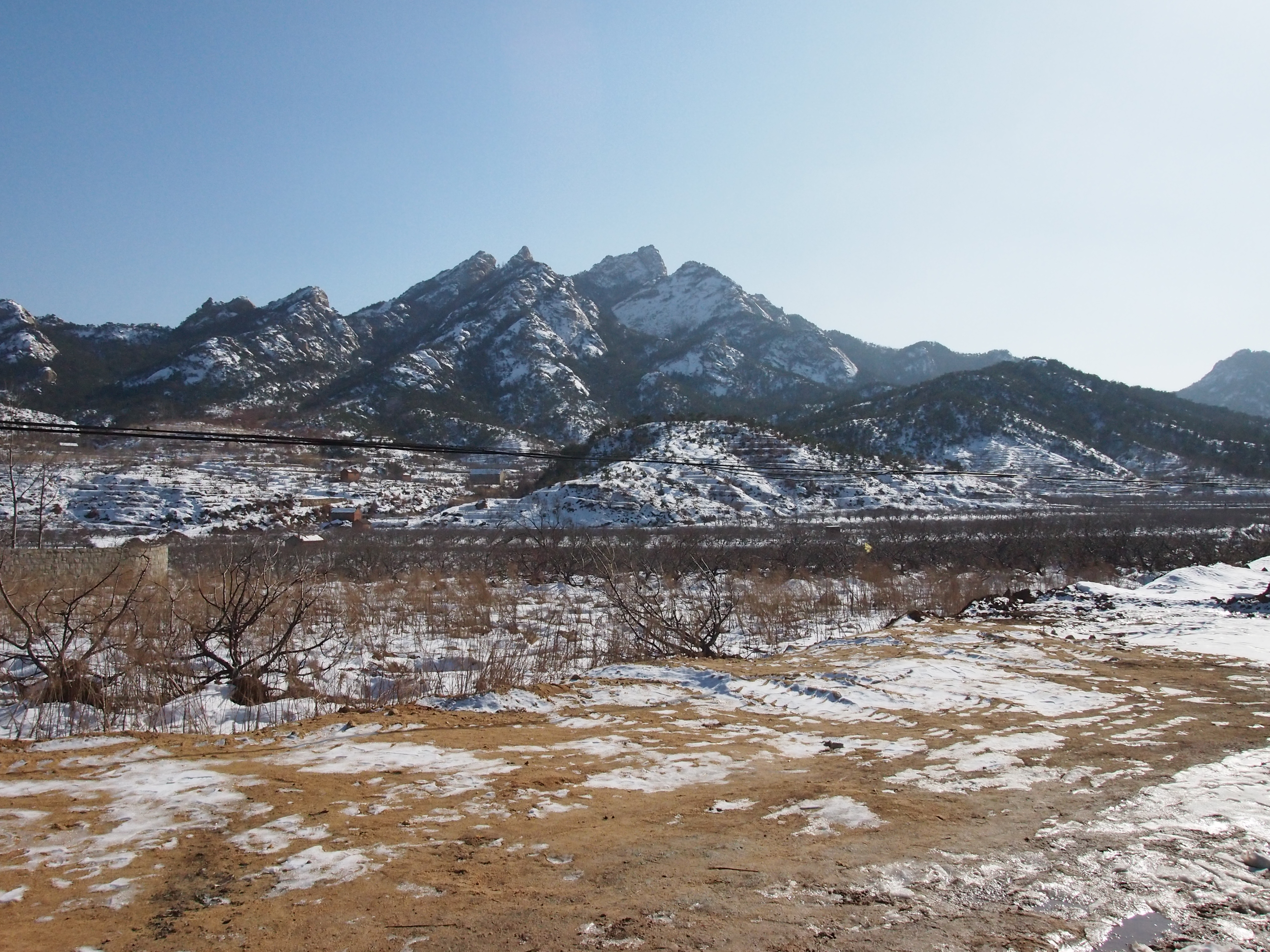
Mount Kunyu
Somewhere between Yantai and Weihai, where the Shandong Peninsula narrows toward the sea, a range of forested mountains rises to 923 meters. Mount Kunyu is not particularly tall, nor particularly famous outside of China. But it carries a weight that altitude alone cannot explain. In the 12th century, a Taoist sect was founded on these slopes that would reshape Chinese religious life. Emperors visited, believing the mountains held the power to grant immortal life. Today, at the base of these same peaks, students practice Shaolin kung fu at a martial arts academy, pursuing a different kind of transcendence.
Birthplace of the Quanzhen Way
The Quanzhen School of Taoism, one of the most influential Taoist movements in Chinese history, was established on Mount Kunyu in the 12th century. The school emphasized internal alchemy, meditation, and the integration of Taoist, Buddhist, and Confucian teachings -- a synthesis that distinguished it from earlier, more ritualistic Taoist traditions. Its founding on these mountains gave Mount Kunyu a spiritual significance that attracted pilgrims, monks, and eventually imperial attention. Chinese emperors journeyed to the peaks, drawn by reports that the site possessed mystical powers capable of conferring immortality. Whether they found what they sought is unrecorded, but the religious infrastructure they funded -- temples, paths, meditation halls -- endures.
Orchards and Waterfalls
Mount Kunyu covers a total area of 1,750 square kilometers, and its terrain is more gentle than dramatic. Hiking trails wind through forests of cherry, apple, and apricot trees that bloom in sequence through spring. Streams thread down from the ridgeline, feeding waterfalls that appear after rainfall and sometimes vanish in dry spells. Taibo Peak, the highest point at 923 meters above sea level, offers views across the Shandong Peninsula toward both the Bohai Sea to the north and the Yellow Sea to the south. The mountains function as a natural barrier between Yantai, 50 kilometers to the west, and Weihai to the east, creating a microclimate that nurtures the diversity of vegetation on their slopes.
Fists and Philosophy at the Mountain's Foot
At the base of the mountains sits the Kunyu Mountain Shaolin Martial Arts Academy, where students from around the world come to study Shaolin kung fu. The academy's presence connects Mount Kunyu to a broader tradition of Chinese mountains as places of physical and spiritual discipline -- a tradition that stretches from the original Shaolin Temple on Songshan in Henan province to training grounds scattered across the country. For students who spend months on the mountain, the daily rhythm of practice, meditation, and physical conditioning echoes the ascetic traditions that the Quanzhen monks established eight centuries ago. The pursuit has changed form, but the mountain remains a place where people come to test the limits of body and mind.
Between Two Seas
Mount Kunyu's position on the Shandong Peninsula places it at a geographic crossroads. The peninsula itself is China's largest, extending into the junction of two major bodies of water. From the ridgeline, the relationship between land and sea becomes visible: the rocky northern coast facing the Bohai Sea, the gentler southern shore along the Yellow Sea, and the narrow waist of the peninsula where the mountains funnel weather and traffic alike. The region's monsoon climate delivers distinct seasons -- cold, dry winters and warm, humid summers -- that shape the mountain's ecology and the rhythm of the tourist season. Most visitors arrive between April and October, when the orchards are green and the waterfalls run strong.
From the Air
Mount Kunyu is located at approximately 37.26N, 121.77E on the Shandong Peninsula, between Yantai (ZSYT) to the west and Weihai (ZSWH) to the east. Taibo Peak reaches 923 meters (3,028 feet) above sea level. Maintain adequate terrain clearance when overflying in reduced visibility. The mountain range is visible from cruising altitude as a forested ridge bisecting the eastern portion of the peninsula.