The Eruption of Mount Pelée: 30,000 Dead in Two Minutes
On the morning of May 8, 1902, Mount Pelée on the Caribbean island of Martinique exploded. A superheated cloud of gas and volcanic debris - a pyroclastic flow - raced down the mountain at 400 miles per hour. In two minutes, it obliterated the city of Saint-Pierre, killing approximately 30,000 people. Only two people in the city survived. One was a prisoner in an underground cell. The eruption was the deadliest volcanic disaster of the 20th century and introduced the world to a new type of volcanic eruption - now called 'Pelean' - characterized by explosive lateral blasts rather than flowing lava.
The Warnings
Mount Pelée had been restless for weeks before the eruption. In mid-April, fumaroles began venting steam. By late April, ash was falling on Saint-Pierre. On May 5, a lahar - a volcanic mudflow - destroyed a sugar factory, killing 23 workers. Birds dropped dead from volcanic gases. Snakes driven from the mountain invaded the city, killing 50 people.
The governor of Martinique had an election coming up. He needed voters to stay in Saint-Pierre. He appointed a commission to investigate the volcano; it reported no immediate danger. Troops were posted on roads leading out of the city - not to evacuate residents, but to keep them from leaving. The governor and his family arrived in Saint-Pierre on May 7 to reassure the public.
The Explosion
At 7:52 AM on May 8, Mount Pelée exploded. The eruption wasn't a vertical blast like most volcanoes - it was a lateral explosion, shooting sideways toward Saint-Pierre. A nuée ardente - a 'glowing cloud' of superheated gas and volcanic debris - raced down the mountain.
The cloud moved at approximately 400 miles per hour and reached temperatures of 1,000°C. It reached Saint-Pierre in about two minutes. Everything in its path was incinerated instantly. Buildings were flattened. Ships in the harbor burst into flames and sank. The city's rum distilleries exploded. In less time than it takes to read this paragraph, 30,000 people were dead.
The Survivors
Only two people in Saint-Pierre survived the eruption. Louis-Auguste Cyparis was a 27-year-old laborer awaiting execution for murder in the city's underground jail. His cell, with thick stone walls and a tiny window facing away from the mountain, protected him from the worst of the blast. He was badly burned but survived.
Léon Compère-Léandre, a shoemaker, was at the edge of the blast zone. He felt intense heat, saw the roof of his house blown off, and found everyone around him dead. He wandered through the ruins, burned and dazed, until rescuers found him. Some accounts mention a third survivor, a young girl named Havivra Da Ifrile, but her story is disputed.
The Aftermath
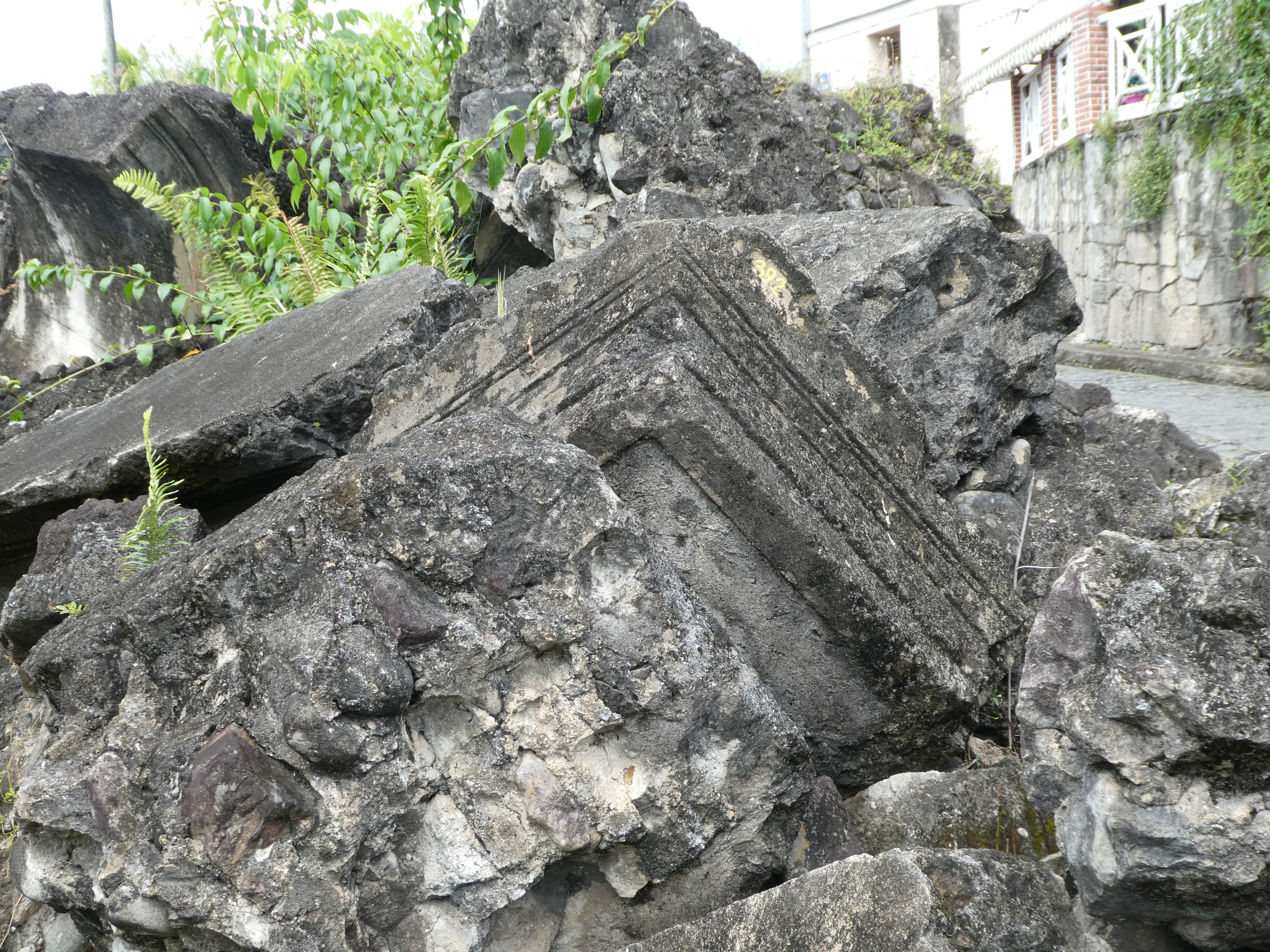
Rescue ships arrived to find Saint-Pierre completely destroyed. The city that had been called the 'Paris of the Caribbean' was a smoking ruin. Bodies were everywhere - most had died so quickly they remained in the positions they'd held at the moment of death. The heat had been so intense that glassware had melted and coins had fused together.
The governor and his family died with the city they had refused to evacuate. The political manipulation of volcanic warnings became a scandal. Cyparis, the surviving prisoner, was pardoned and later toured with the Barnum & Bailey Circus, exhibiting his scars. Saint-Pierre was never rebuilt to its former glory - the population today is about 4,000, compared to 30,000 before the eruption.
The Science
The eruption of Mount Pelée transformed volcanology. Scientists had not previously understood that volcanoes could explode sideways with such devastating force. The pyroclastic flow - the nuée ardente - was studied extensively and became recognized as one of the most dangerous volcanic phenomena.
Eruptions that produce lateral blasts and pyroclastic flows are now called 'Pelean' eruptions. The 1980 eruption of Mount St. Helens, which killed 57 people, was a Pelean eruption. The lessons of Saint-Pierre have saved countless lives - but they came at the cost of 30,000 who died in two minutes on a May morning in the Caribbean.
From the Air
Saint-Pierre (14.74N, 61.18W) lies on the northwest coast of Martinique in the French Caribbean. Martinique Aimé Césaire International Airport (TFFF) is 30km south near Fort-de-France. Mount Pelée (1,397m) dominates the northern part of the island. The ruins of the 1902 city are partially preserved. The modern town is much smaller. Weather is tropical - warm year-round, rainy season June-November, hurricane risk.