Nagoya City Museum
Of all the ways to measure a city's memory, few are as thorough as counting 270,000 objects. That is the scale of the Nagoya City Museum's collection, an archive so vast that only a fraction can be displayed at any given time. Opened in 1977 in the residential Mizuho ward, this museum does not chase spectacle. Instead, it does something rarer: it tells the continuous story of one place, from Paleolithic stone tools chipped tens of thousands of years ago to the lacquered armor of Owari Domain samurai who once ruled from Nagoya Castle. The building sits near Sakurayama Station on the Sakura-dori subway line, and the quiet neighborhood around it belies the depth of what waits inside.
The Weight of 270,000 Objects
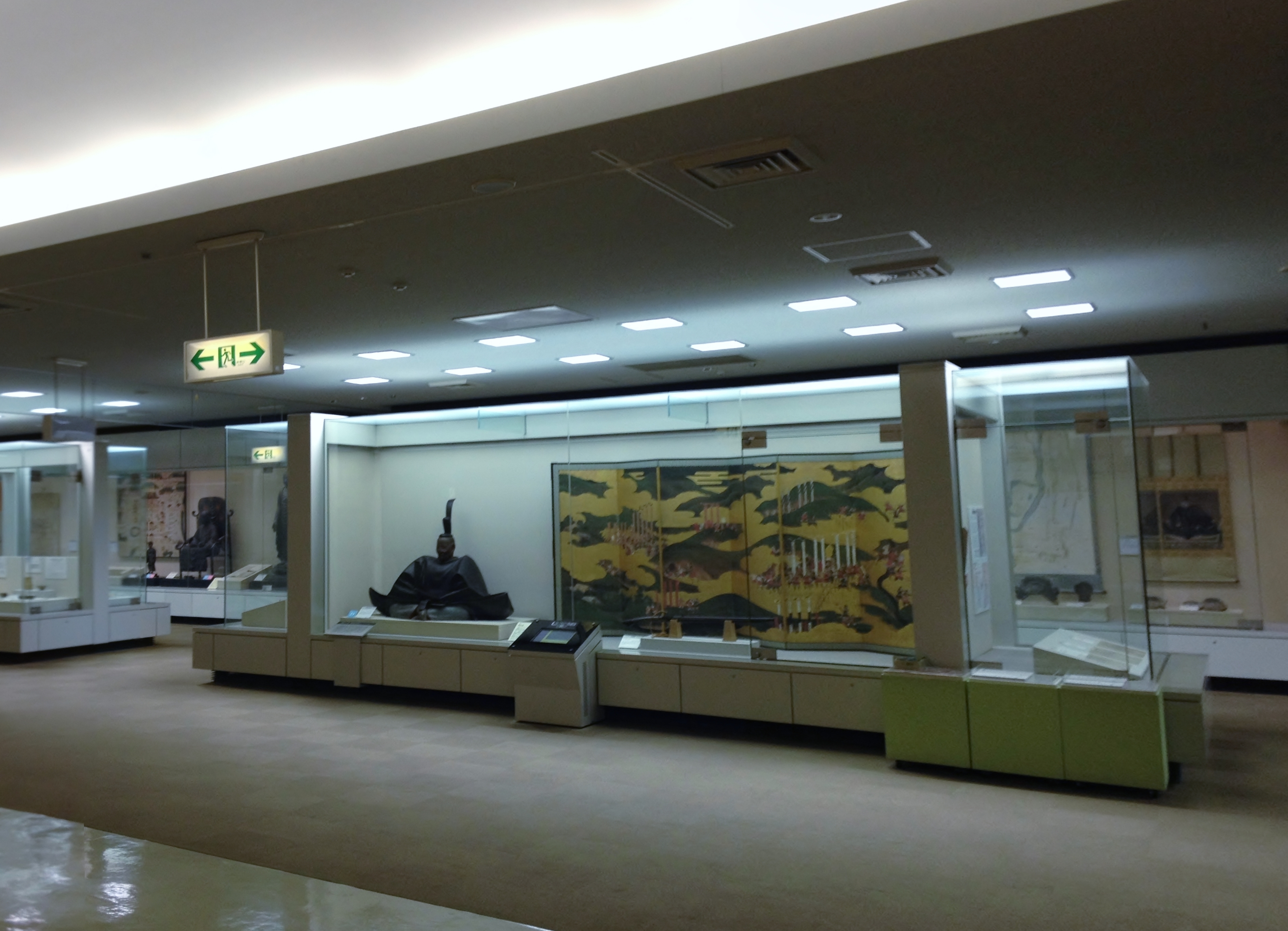
The museum's permanent exhibition occupies the second floor, and it unfolds chronologically, beginning with archaeological remains from the Paleolithic Age and moving through the Jomon, Yayoi, and Kofun periods before arriving at the feudal era that defined Nagoya. Roughly 24,000 of the museum's artifacts were donated directly by citizens of Nagoya, turning the collection into something genuinely communal. Fine art, ceramics, folk tools, documents, books, and the samurai weaponry that evokes Owari's martial past all share space. Among the collection's quieter treasures is a selection of rare Kawana ware, a type of pottery that speaks to the region's long ceramic tradition, itself a craft that helped shape Aichi Prefecture's identity as a center of Japanese manufacturing.
Owari's Long Shadow
The Owari Domain was one of the three most prestigious branches of the Tokugawa shogunate, and its lords governed from Nagoya Castle for over 250 years. The museum's permanent exhibition, titled simply 'History of Owari,' tracks the western half of Aichi Prefecture from its earliest human habitation through the rise of the castle town and into the modern era. The approach is local rather than national, focusing on how the people of this specific region farmed, fought, worshipped, and traded. Special exhibitions and thematic displays rotate five to seven times each year, and past shows have ranged from Gandhara Buddhist art in 2003 to deep dives into Edo-period daily life. In January 2000, the museum signed a memorandum of understanding with the Vienna Museum, establishing a partnership that links Nagoya's local history outward to a European counterpart.
A Museum That Belongs to Its City
The three-floor building houses its ticket office and reception on the first floor alongside a museum shop, a gallery for special exhibitions, a thematic gallery, and a lecture room. A Japanese garden stretches in front of the entrance, lending a contemplative quality to the approach. Unlike Nagoya's flashier attractions, the City Museum draws visitors who want to understand the texture of the place they are in. School groups file through the Paleolithic galleries. Local historians consult the document archives. Tourists arriving from Kyoto Station, about two hours away by train, sometimes stop here before visiting Nagoya Castle, using the museum as a primer for the castle's context. It is the kind of institution that rewards patience, offering not a single dramatic artifact but rather the slow accumulation of a city's entire past laid out in sequence.
Beyond the Walls
Nagoya's museum landscape is rich. The Tokugawa Art Museum, a few kilometers to the northeast, holds the personal treasures of the Owari Tokugawa lords. The City Museum fills a different niche, casting a wider net across all social strata and all periods. Together they offer complementary views of the same story. For the traveler who has seen Nagoya Castle's reconstructed palace and walked the commercial corridors of Sakae, the City Museum provides the connective tissue, the explanation of why this city exists where it does, why its industries took the shape they did, and why the Owari plain remains central to Japan's economic geography. The museum's approach is scholarly but accessible, and its collection continues to grow as citizens contribute family heirlooms and neighborhood discoveries.
From the Air
Located at 35.136N, 136.935E in Nagoya's Mizuho ward. From the air, the museum sits south of Nagoya Castle and the city center, near the visible corridor of the Sakura-dori subway line. Nagoya's Chubu Centrair International Airport (RJGG) lies approximately 35 km to the south across Ise Bay. Komaki Air Base (RJNA) is about 15 km to the north. The museum is best spotted by identifying the green belt of parks along the ward's residential grid.