The Last Stop: Nagoya's Tram & Subway Museum
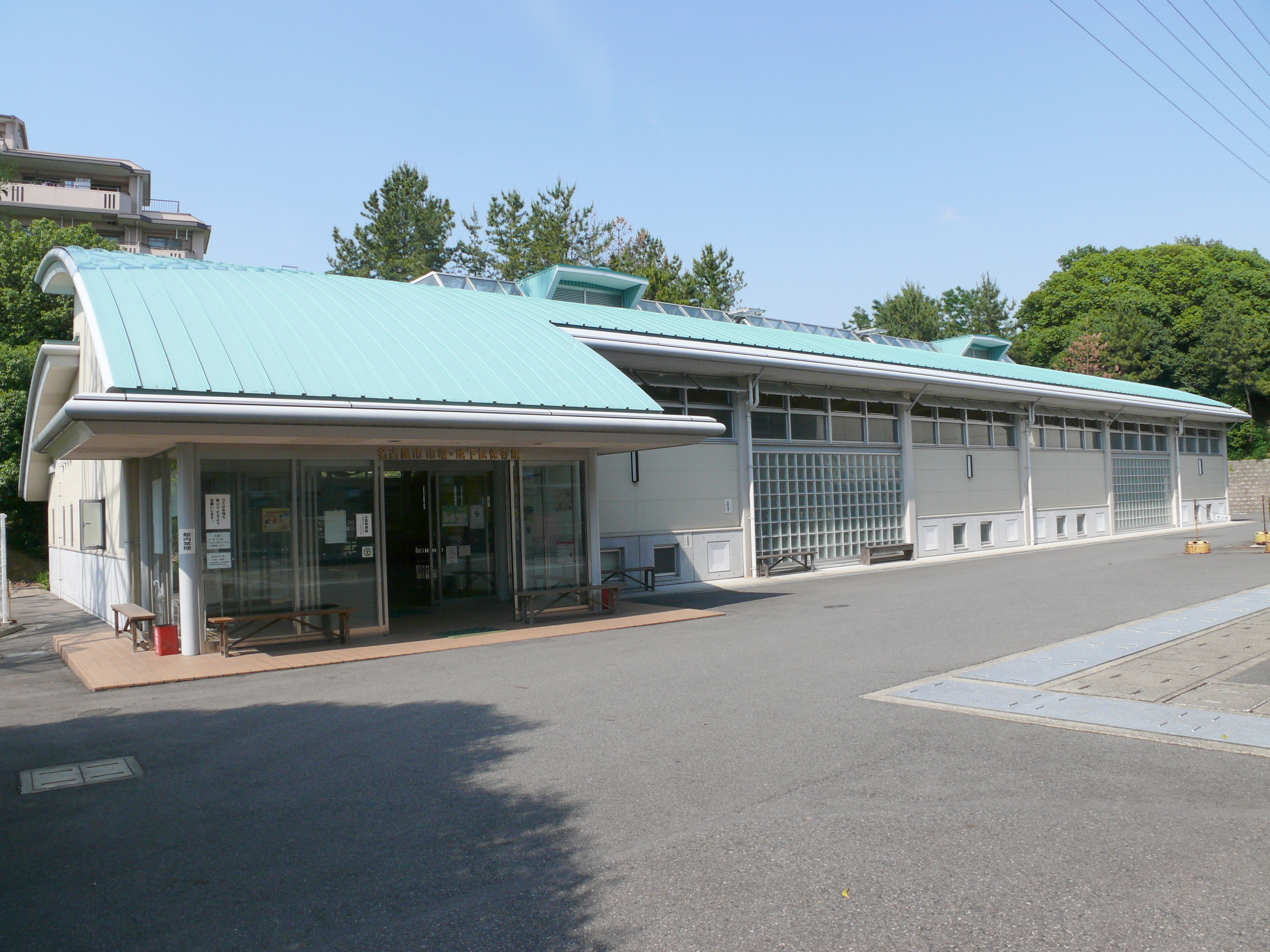
The yellow subway car sits perfectly still in a maintenance depot on the outskirts of Nagoya, its doors open, its seats empty, waiting for passengers who stopped coming years ago. This is the Nagoya City Tram & Subway Museum, tucked inside the Transportation Bureau's Nisshin depot near Akaike Station, where three retired streetcars and a pair of original subway cars have been preserved not as monuments to failure but as proof of a transit system that served its city so well that it made itself obsolete. On May 6, 1898, the Nagoya Electric Railroad Company ran its first streetcar along a 2.2-kilometer stretch between Sasashima and Kencho-mae. By the mid-1920s, some 271,000 passengers rode those trams daily. By March 31, 1974, every last streetcar line had been shut down, replaced by the very subway system whose first cars now sit beside the trams in this museum.
Seventy-Seven Years on Steel Rails
Nagoya's streetcar system began as a private enterprise in 1898, a modest electric line threading through a city still finding its modern shape. The city took over operations in 1922, and municipal trams became the backbone of Nagoya's daily life. In their golden era of the 1950s, the network spread across the city like a nervous system, carrying record numbers of riders through broad avenues lined with postwar reconstruction. But Nagoya was growing fast, and the streets were filling with automobiles. Chronic traffic congestion choked the same roads the trams needed, and city planners made a decisive choice: dig underground. The subway system launched in 1957, and as new lines opened year after year, the trams went quiet, route by route, until the final streetcar completed its last run on March 31, 1974. Seventy-seven years of street-level service ended not with a bang but with a carefully planned transition.
Rolling Stock Frozen in Time
Step inside the museum and the first thing you notice is scale -- these are not miniatures or photographs but full-sized vehicles, polished and preserved as though they might roll out the depot doors tomorrow. Three types of streetcars are on display: the 1400-type, designed by engineers at the Nagoya City Electric Bureau and Nippon Sharyo and built in 1936; a 2000-type; and a 3000-type articulated car that represents the final generation of Nagoya trams. Beside them sit subway cars 107 and 108, part of the original 100-series fleet that shuttled between Nagoya Station and Sakae starting in 1957. Locals called them the Yellow Train, and they became the visual symbol of Nagoya's underground system until their retirement in 2000. Visitors can climb aboard, sit in the driver's seat, and grip the controls. PlayStation-style driving simulators let you pilot a modern subway car through virtual tunnels, while model train layouts fill the surrounding display area with miniature versions of the same rolling stock.
The Machine That Made the Tunnels
Outside the main exhibition hall stands the museum's most imposing artifact: a giant tunneling shield excavator, the cylindrical cutting machine that once bored through the earth beneath Nagoya's streets to carve out subway tunnels. It is the kind of engineering relic that photographs cannot do justice -- standing beside it, you grasp the physical reality of building an underground railroad beneath a living city. The shield's diameter hints at the tight spaces subway construction demanded, and the wear on its cutting face tells its own story of the geology it chewed through. Alongside the heavy machinery, the museum displays a quieter collection of transit memorabilia: staff uniforms and caps from different eras of the Transportation Bureau, signal equipment, route maps, and ticketing artifacts that trace the evolution of how Nagoya moved its people from surface to underground.
A Free Ride to the Past
The Nagoya City Tram & Subway Museum opened on June 2, 2000, operated by the same Transportation Bureau that once ran the streetcars preserved inside. Admission is free -- a small, deliberate gesture from a transit authority that understands its audience includes the families and retirees who once depended on these very vehicles. The museum sits at the Nisshin depot on the Tsurumai Line, reachable from Akaike Station, which means visitors arrive by the modern descendant of the system they have come to remember. Open daily except Wednesdays and New Year holidays, from ten in the morning to four in the afternoon, the museum draws a steady stream of train enthusiasts, young children mesmerized by the simulators, and older visitors who remember the sound of a streetcar bell on a Nagoya summer evening. It is a quiet place, unhurried, a museum that preserves not just machines but the memory of a city that once moved above ground.
From the Air
Located at 35.12°N, 137.02°E in Nisshin, a city on the eastern edge of the Nagoya metropolitan area. The museum is within the Transportation Bureau's Nisshin depot, adjacent to the Tsurumai subway line tracks -- look for the long, low depot buildings and the rail yard. Chubu Centrair International Airport (RJGG) lies approximately 25 nautical miles to the south-southwest. Nagoya Airfield / Komaki (RJNA) is roughly 12 nautical miles to the northwest. Best viewed at 2,000-3,000 feet AGL. The surrounding area is dense suburban development typical of Nagoya's eastern satellite cities.