The Nanaimo Bathtub Race: When a City Got Weird
In 1967, Canada turned 100, and every city scrambled to celebrate. Most threw parades. Nanaimo, British Columbia, put outboard motors on bathtubs and raced them 36 miles across Georgia Strait to Vancouver. Two hundred boats started; only 48 finished; the winner took nearly four hours. It was absurd, dangerous, and immediately beloved. The Great International World Championship Bathtub Race has happened every year since (with pandemic exceptions), evolving from the original cross-strait lunacy to a harbor circuit that's slightly less likely to kill participants. Nanaimo embraced the bathtub identity completely: the city has a bathtub monument, a bathtub museum, and an annual festival centered on watching grown adults race plumbing fixtures. Some cities have culture. Nanaimo has bathtubs.
The Birth
Frank Ney, Nanaimo's flamboyant mayor, needed a centennial event that would put his city on the map. Inspired by historical bathtub racing (a real thing in the 19th century), he proposed a race across Georgia Strait - 36 miles of open water between Vancouver Island and the mainland. The boats would be actual bathtubs, converted to watercraft with fiberglass, flotation, and outboard motors. The 1967 race drew 200 entries and enormous publicity. The boats were not seaworthy; the crossing was dangerous; the spectacle was irresistible. Nanaimo had found its identity.
The Evolution
The cross-strait race continued until 1996, when maritime authorities finally acknowledged that sending bathtubs across one of North America's busiest shipping lanes was reckless. The race moved to Nanaimo harbour, shorter but still competitive. Boat designs evolved from actual bathtubs with motors bolted on to purpose-built racing machines that technically contain a bathtub somewhere in the structure. Modern 'tubbers' are fiberglass racing hulls with high-powered outboards; they reach speeds exceeding 50 mph. The original spirit survives in the requirement that boats incorporate a bathtub - and in the parade, costumes, and cheerful absurdity that surround race weekend.
The Culture
Nanaimo committed fully to bathtub identity. Downtown has a bathtub monument - a statue of a tubber with motor raised triumphantly. The Nanaimo Museum has bathtub racing exhibits. Bathtub Weekend in late July brings parades, concerts, a car show, and fireworks alongside the race. Frank Ney, the mayor who started it all, became a beloved local character who dressed as a pirate for public appearances. The bathtub race is silly; that's the point. In a world of serious cities competing for serious investments, Nanaimo found a different strategy: be weird, own it, and let the tourists come to watch bathtubs race.
The Race Today
The modern World Championship Bathtub Race happens on the Sunday of Bathtub Weekend, typically mid-to-late July. Competitors race a harbor circuit, their boats required to incorporate a bathtub but otherwise engineered for speed. Categories include stock (limited modifications) and modified (anything goes within safety rules). Races are loud, wet, and occasionally spectacular when boats flip or swamp. The serious competitors are very serious - these are real racing machines operated by skilled drivers. But the spirit remains cheerfully absurd. Spectators line the harbor; announcers provide color commentary; the winner gets to say they're the world bathtub racing champion, which is more than most people can claim.
Visiting Nanaimo for Bathtub Weekend
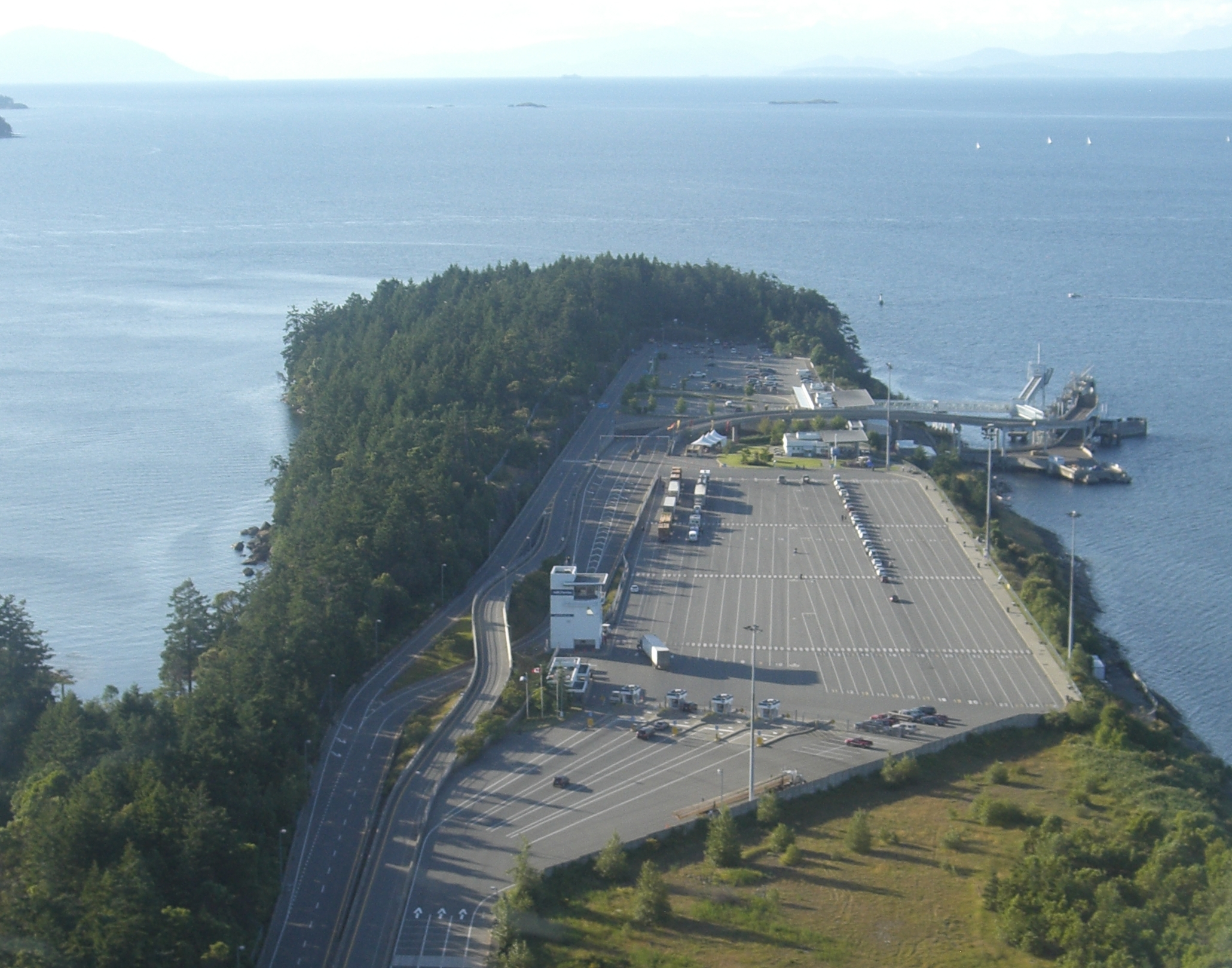
Nanaimo is located on Vancouver Island's east coast, 110 kilometers north of Victoria and accessible by ferry from Vancouver (Horseshoe Bay to Departure Bay or Tsawwassen to Duke Point). Bathtub Weekend is typically the third weekend of July. The race is Sunday; the parade is Saturday; events run all weekend. The harbor waterfront has the best viewing for races. The bathtub monument is downtown at Terminal Park. The Nanaimo Museum has year-round bathtub exhibits. Nanaimo has full services - hotels, restaurants, and yes, many bathtubs. Vancouver Island offers extensive tourism beyond bathtubs: wilderness, beaches, Indigenous culture, and the improbable city that made plumbing into sport.
From the Air
Located at 49.17°N, 123.94°W on Vancouver Island's east coast. From altitude, Nanaimo spreads along the shore facing Georgia Strait, with ferries visible crossing to the mainland. The harbor where races now occur is in the city's center. The original race route - 36 miles across open water to Vancouver - is visible as an impossibly long distance for bathtub-based watercraft. Georgia Strait can be rough; the mainland coast and Vancouver's skyline are visible to the east. Vancouver Island stretches north and south. The city looks ordinary from altitude - a midsized Canadian city on the water. Only in July, when bathtubs race across the harbor, does its true character show.