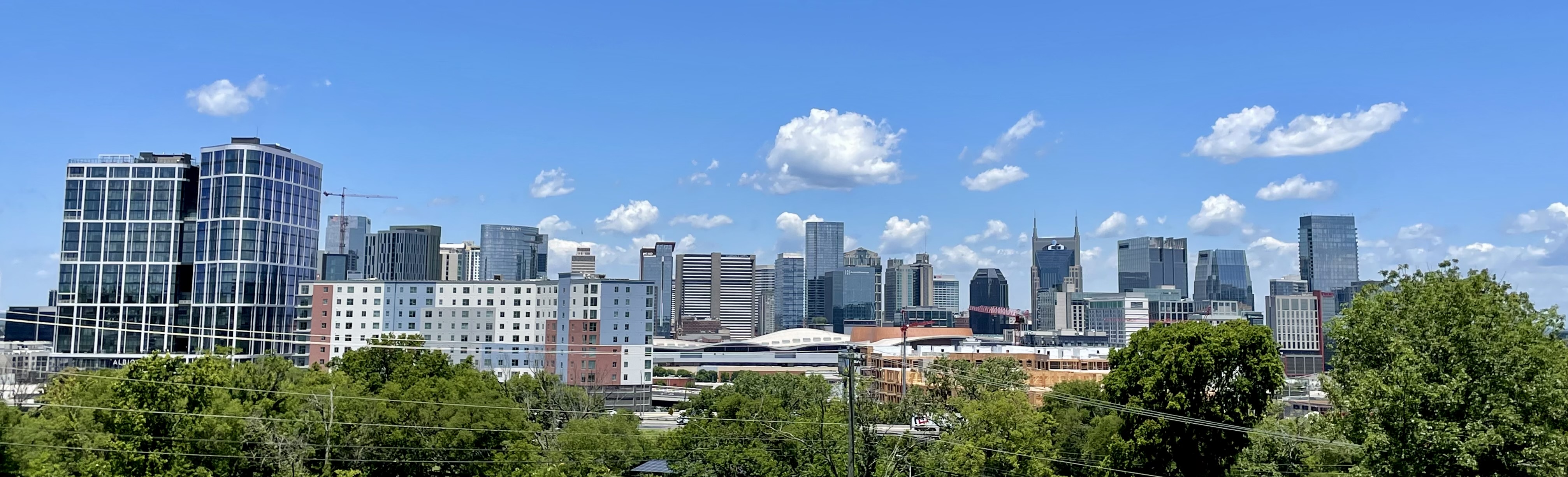
Nashville: Where Country Music Lives and Bachelorette Parties Never Die
Nashville is Music City, and the music is everywhere: the honky-tonks on Lower Broadway where bands play live from 10 AM, the recording studios on Music Row where hits are manufactured, the Opry stage where country music became America's music. The industry generates $10 billion annually and employs 80,000 people who write songs, play sessions, manage artists, and serve drinks to tourists who came for the experience. The bachelorette parties have become their own phenomenon - pedal taverns of women in matching t-shirts drinking through Broadway - beloved and mocked in equal measure. Nashville is genuine and manufactured simultaneously, authentically commercial, selling a product that happens to be authenticity itself.
The Opry
The Grand Ole Opry began in 1925 as WSM Barn Dance, a radio show broadcasting live country music from Nashville. It became the longest-running radio broadcast in American history, making and breaking country careers for a century. The Opry made Nashville the center of country music - artists came to be heard on the show, publishers came to sign them, the industry clustered around the opportunity. The show has moved from the Ryman Auditorium (the 'Mother Church of Country Music') to the Grand Ole Opry House, but the formula remains: live country music, broadcast nationally, the doorway through which every country star must pass.
Music Row
Music Row is a neighborhood of recording studios, publishing houses, and record labels concentrated along 16th and 17th Avenues South. The hits recorded here are countless - from Patsy Cline to Taylor Swift, the studios have captured country, rock, and pop for generations. The session musicians, 'Nashville cats,' are among the best in the world, able to create radio-ready tracks in hours. The industry is simultaneously creative and industrial: songs are pitched, recorded, marketed, and sold with factory efficiency. Music Row produces music the way Detroit once produced cars - through specialized labor, established processes, and accumulated expertise.
Hot Chicken
Nashville hot chicken - fried chicken coated in cayenne-laced paste - originated in the 1930s, supposedly as revenge. According to legend, a woman made her unfaithful partner's breakfast chicken extra-spicy as punishment; he loved it. Prince's Hot Chicken Shack has served the original recipe since the 1940s; Hattie B's and others have brought the dish to national attention. The heat levels range from mild to 'shut the cluck up,' with the hottest versions requiring endurance and perhaps regret. Hot chicken has become Nashville's signature food, a test of tolerance that tourists approach like a rite of passage.
The Boom
Nashville's population has exploded - 100 people move to the metro area daily, drawn by jobs, affordability (relative to coastal cities), and cultural energy. The growth has transformed the city: cranes everywhere, housing prices rising, traffic worsening, locals displaced by development. Healthcare (HCA was founded here), tech, and tourism drive the economy alongside music. The bachelorette parties that crowd Broadway are symptoms of the boom - Nashville has become destination, its image marketable in ways that didn't exist two decades ago. Whether the growth is sustainable or whether Nashville becomes what it's selling remains to be seen.
Visiting Nashville
Nashville is served by Nashville International Airport. Lower Broadway concentrates the honky-tonks - live music starts mid-morning and continues until late; no cover charges, drink prices support the bands. The Ryman Auditorium offers tours and concerts. The Country Music Hall of Fame is downtown; the Grand Ole Opry is in the Opryland area. Hot chicken pilgrimage requires choosing a heat level you can actually handle. The Parthenon - a full-scale replica of the Greek original - sits in Centennial Park, inexplicably. The experience rewards musical appreciation and tolerance for bachelorette parties - they're part of the experience now, whether residents like it or not.
From the Air
Located at 36.16°N, 86.78°W on the Cumberland River in central Tennessee. From altitude, Nashville appears as a sprawling metropolitan area with downtown rising along the river. The Nissan Stadium (home of the Titans) is visible on the east bank; the downtown skyline, including the AT&T Building's distinctive spires, rises opposite. The growth is visible in the construction cranes and new development extending in all directions. What appears from altitude as a booming Southern city is Music City USA - where country music became an industry, where hot chicken became a challenge, and where the bachelorettes keep coming.