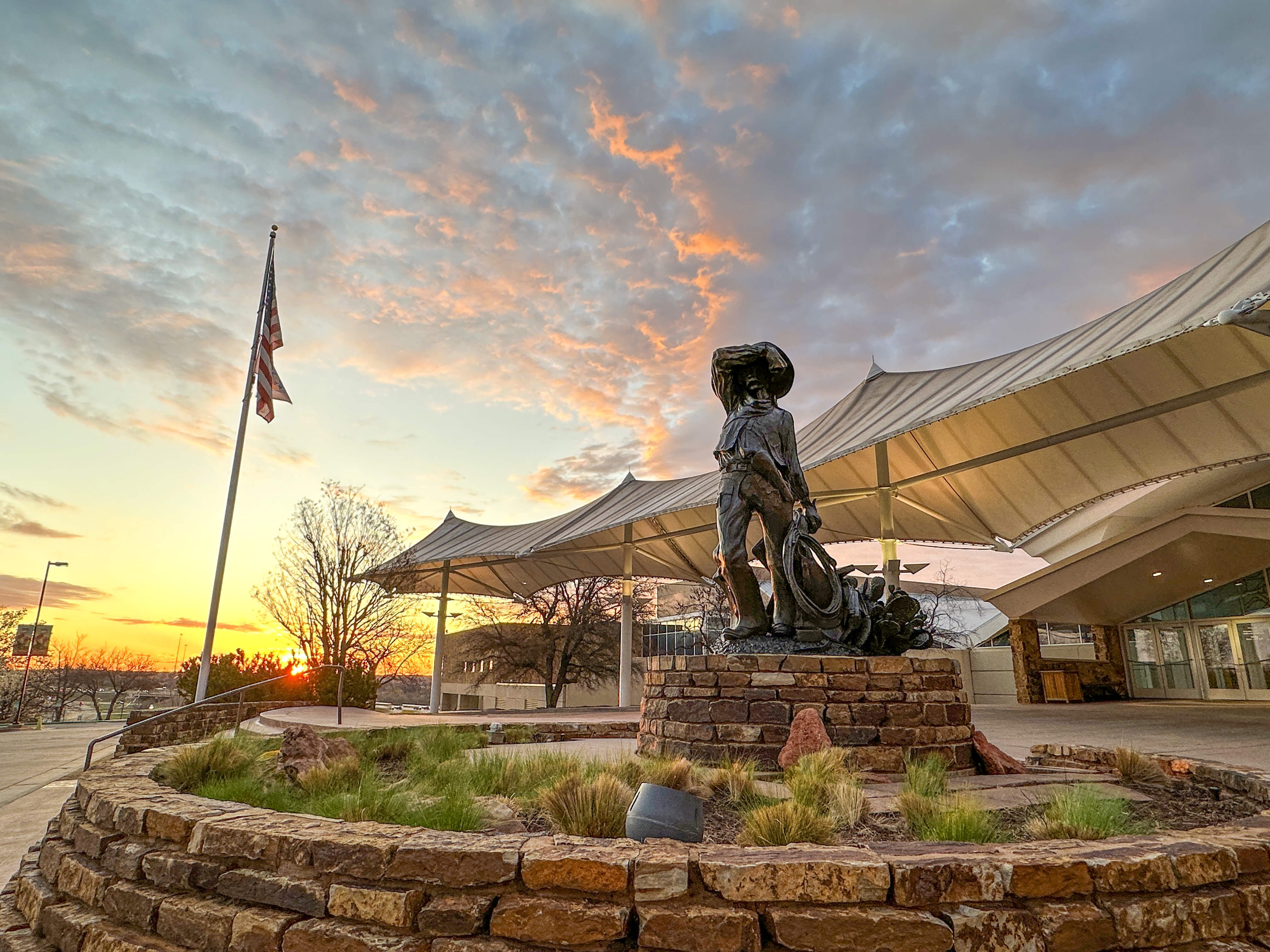
National Cowboy & Western Heritage Museum
Chester A. Reynolds had a simple idea in 1955: build a hall of fame for the cowboy. What grew from that seed is anything but simple. The National Cowboy & Western Heritage Museum in Oklahoma City now holds more than 28,000 artworks and artifacts spanning centuries of Western life, from barbed wire samples and hand-tooled saddles to over 200 paintings by Charles Marion Russell and major works by Frederic Remington. The museum owns 18 of the 22 different bronze sculptures Remington ever created. It is, by any measure, the most comprehensive collection of American Western art and material culture assembled under one roof.
From Cowboy Hall to Cultural Institution
The museum has reinvented itself several times since its founding. Originally called the Cowboy Hall of Fame and Museum, it changed names three times before the American Alliance of Museums granted full accreditation in 2000 under its current title. The evolution was more than cosmetic. What began as a tribute to working cowboys grew into an institution encompassing Native American art, frontier firearms, Western film history, and fine art. The William S. and Ann Atherton Art of the American West Gallery alone contains over 2,000 works, including landscapes by Albert Bierstadt, more than 700 pieces by photographer Edward S. Curtis, and the monumental plaster cast of James Earle Fraser's End of the Trail, that iconic image of a weary warrior slumped on horseback.
Prosperity Junction and Living History
Perhaps the most immersive experience is Prosperity Junction, an authentic turn-of-the-century Western prairie town built inside the museum. Visitors stroll wooden sidewalks, peer into storefronts, listen to antique player pianos, and walk into fully furnished buildings that recreate the texture of frontier life. Outside, the children's space called Liichokoshkomo', a word meaning 'let's play,' opened in 2020 across more than 100,000 square feet of outdoor terrain where kids dodge geysers, grind corn, and load pioneer wagons. The museum also houses the National Rodeo Hall of Fame, established the same year as the museum itself, and since 2023 has served as the home of the Professional Bull Riders Heroes & Legends hall of fame.
The Bronze Wrangler and Western Celebrity
Every year the museum hosts the Western Heritage Awards, presenting the Bronze Wrangler, an original sculpture by artist John Free, to creators of outstanding Western literature, music, film, and television. The ceremony also inducts new members into the Hall of Great Western Performers, a lineage that includes John Wayne, Gene Autry, Tom Mix, James Stewart, and Tom Selleck. The Hall of Great Westerners casts an even wider net, honoring figures who embody the spirit of the West. Its inaugural 1955 class featured Will Rogers, Theodore Roosevelt, cattleman Charles Goodnight, and artist Charles Russell. Later inductees range from Levi Strauss to Supreme Court Justice Sandra Day O'Connor to Sequoyah, inventor of the Cherokee syllabary.
An Archive of the Frontier Mind
Behind the galleries lies the Donald C. and Elizabeth M. Dickinson Research Center, a closed-stacks library that opened in 1965. Its holdings include books, photographs, oral histories, and manuscripts devoted to Western popular culture, ranching, Native American history, and rodeo. The annual Prix de West Invitational Art Exhibition and Sale each June draws collectors and artists from across the country, serving both as a fundraiser and as one of the premier events in the world of Western American art. The museum stands as a reminder that the West was never just geography. It was an idea, continually reshaped by the people who painted it, rode through it, and tried to make sense of it.
From the Air
Located at 35.54°N, 97.48°W in northeast Oklahoma City. The museum campus sits near the intersection of I-44 and Martin Luther King Avenue. Nearest major airport: Will Rogers World Airport (KOKC), approximately 12 nm southwest. At 2,000-3,000 ft AGL, look for the large museum complex surrounded by landscaped grounds in an otherwise urban residential area. Clear weather recommended for best visibility.